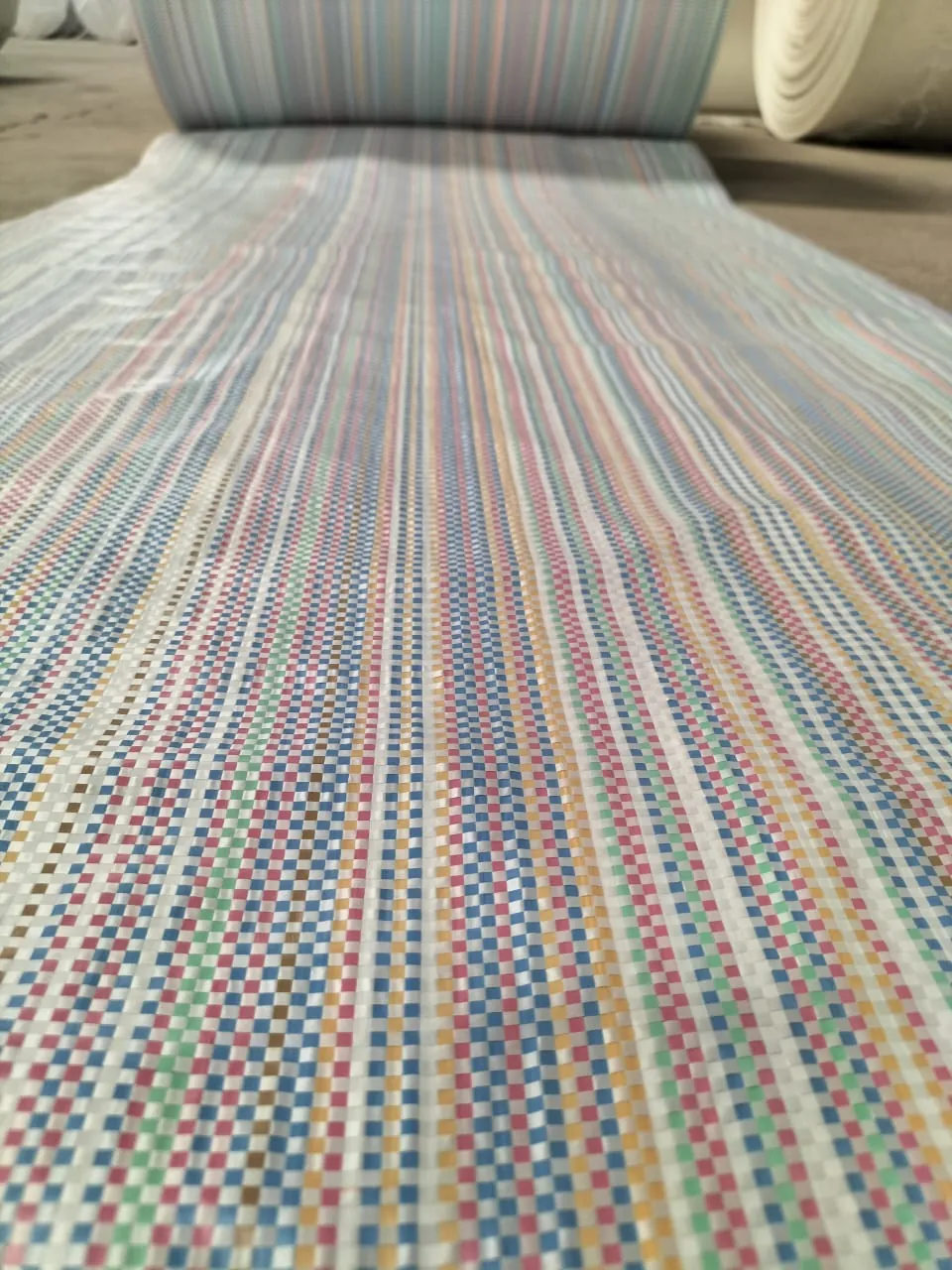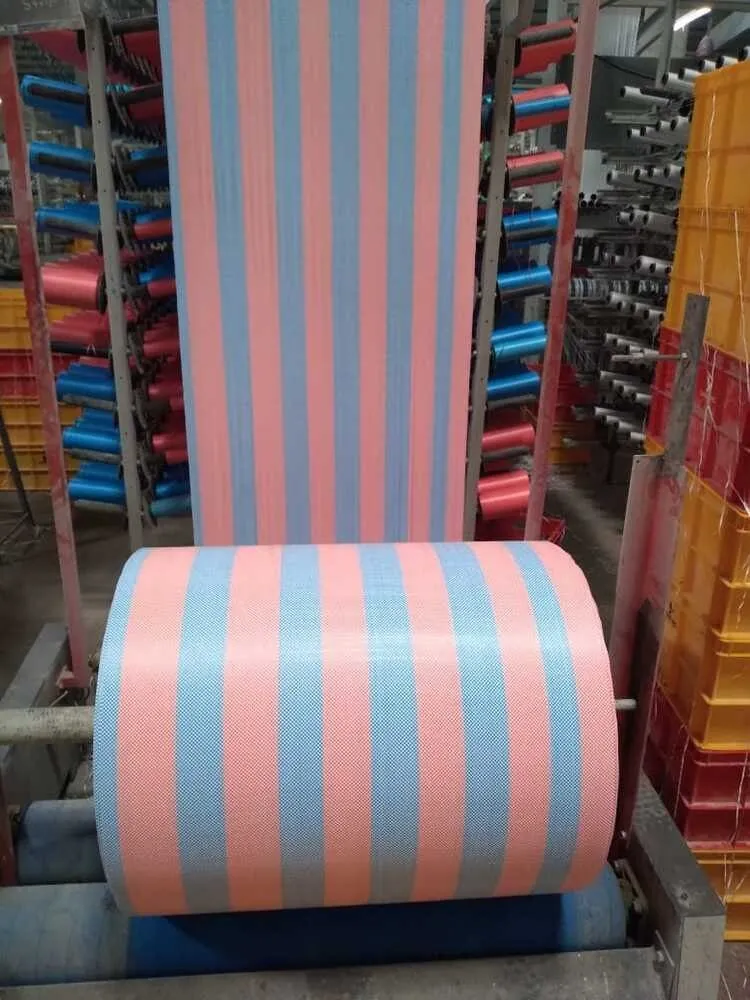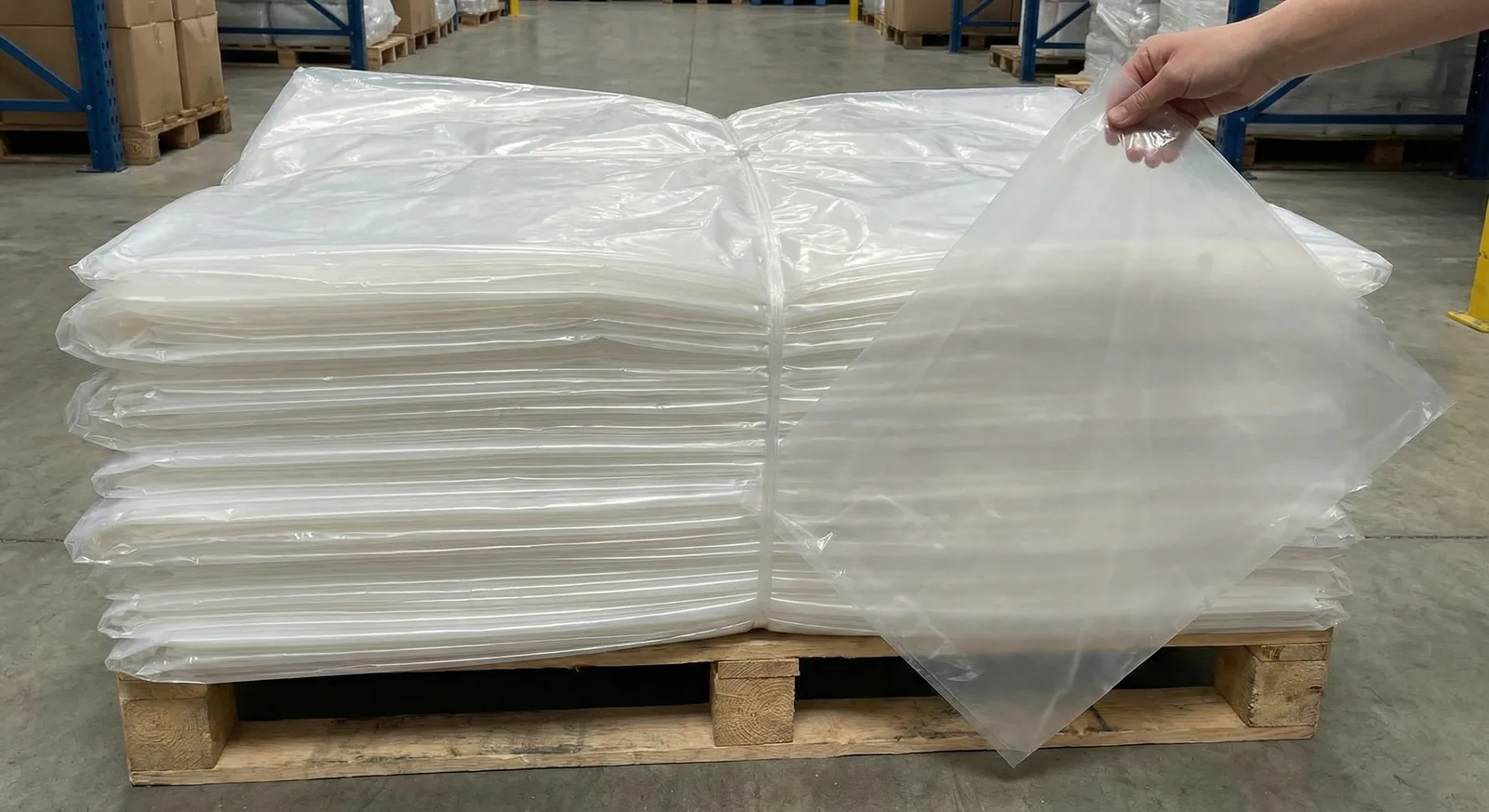
Salt is a packaging torture test disguised as a commodity. It is hygroscopic - pulling moisture from the air until it cakes - corrosive to many materials, dusty, and heavy in bulk. Sacks that handle fertiliser or sugar comfortably can fail in salt service within a season. The salt trade has learned which constructions survive, and this guide condenses that learning into a specification.
Why Salt Punishes Ordinary Sacks
Three mechanisms: moisture uptake cakes the product and stresses the pack from inside; chloride chemistry corrodes vulnerable materials and fasteners; and fine crystal grades sift through seams under vibration. Any salt sack spec missing one of these three will fail somewhere between the mill and the market.
Construction That Survives Salt
- Resin choice: HDPE-based constructions tolerate the chemical environment well - the resin logic is in the HDPE guide, with PP laminated variants serving where print economics matter.
- Barrier: laminated fabric plus PE liner is the standard anti-caking recipe for humid climates and long storage - the layering logic follows the moisture guide.
- Sift control for fine grades: liner plus seam discipline per the sifting guide.
- Hardware: avoid corrosion-vulnerable components in closures and handles; ask the supplier what the sack uses.
Pack Formats in the Trade
Retail iodised salt runs branded small packs where print quality matters - laminated or BOPP construction per the printing guide. Industrial and wholesale salt runs 25-50 kg sacks, often valve-filled where lines support it per the valve sack guide. Export salt containers add the transit moisture dimension - stow and container practice in the loading guide. Capacity matching follows the capacity chart.
Frequently Asked Questions
Can the same sack serve iodised retail and industrial salt?
Construction can be similar, but retail needs print and hygiene documentation; industrial favours cost and durability - two specs, one family, is the practical pattern.
Does salt damage the sack fabric itself?
Polyolefin fabrics tolerate salt chemistry well; failures usually come at seams, liners or hardware - inspect those components in samples.
How do I prevent caking completely?
Packaging slows uptake; conditioning and anti-caking process steps do the rest - packaging is a necessary layer, not a total solution.
Siddhii Global supplies salt-trade constructions to mills and exporters from Kalol, Ahmedabad. Describe the grade, climate and channel for a salt-proven specification.
Salt Buyer Field Checklist
- Disclose the salt grade and packing climate - humid coastal mills and dry inland packers need different barrier levels per the moisture guide.
- Inspect closure and handle components for corrosion vulnerability - the fabric tolerates salt, the hardware may not.
- For fine grades, add the sift layer - liner plus seam discipline per the sifting guide.
- Trial through the humid season before annual commitments, and keep lot QC records per the inspection checklist.
Salt packing rewards buyers who think in seasons and climates, not in single samples. The constructions that survive monsoon ports share one trait: every layer - resin, barrier, seams, hardware - was specified against salt explicitly, and documented as the documentation guide recommends.