Fine powders find holes no eye can see. Flour, milk powder, cement, pigments and chemical fines migrate through stitch perforations and weave gaps, leaving dust trails on pallets, losing weight and creating hygiene problems downstream. Sifting-proof construction is a learnable specification - this guide shows where powder escapes and how professional buyers stop it.
Why Sifting Happens
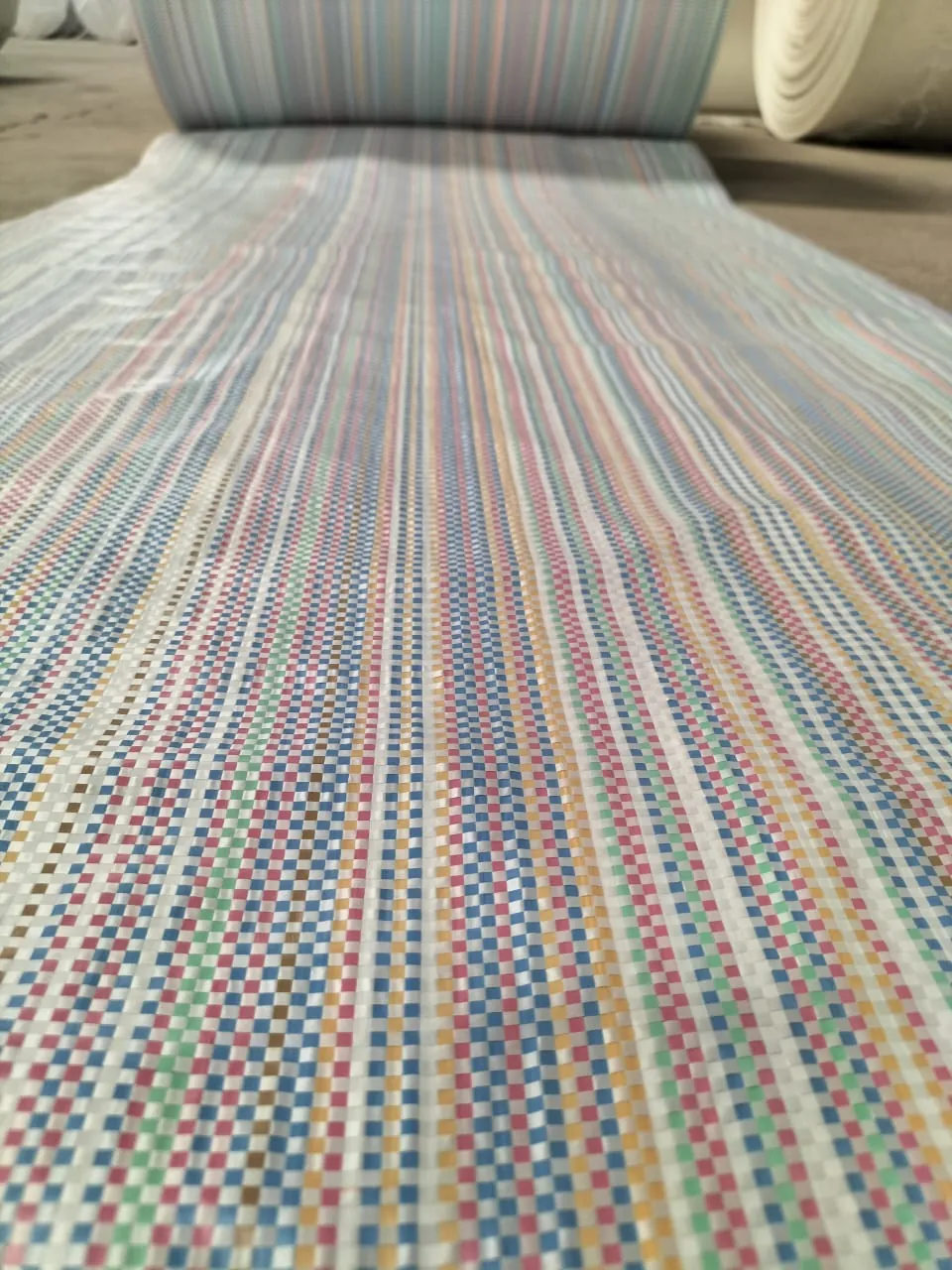
Two escape paths exist. Stitch holes: every needle penetration leaves a channel, and vibration during transit works powder through them. Weave gaps: open weaves pass fines directly through the fabric body. Both worsen with vibration time and product fineness - which is why sacks that looked fine at the factory arrive dusty at the destination.
The Fix Ladder
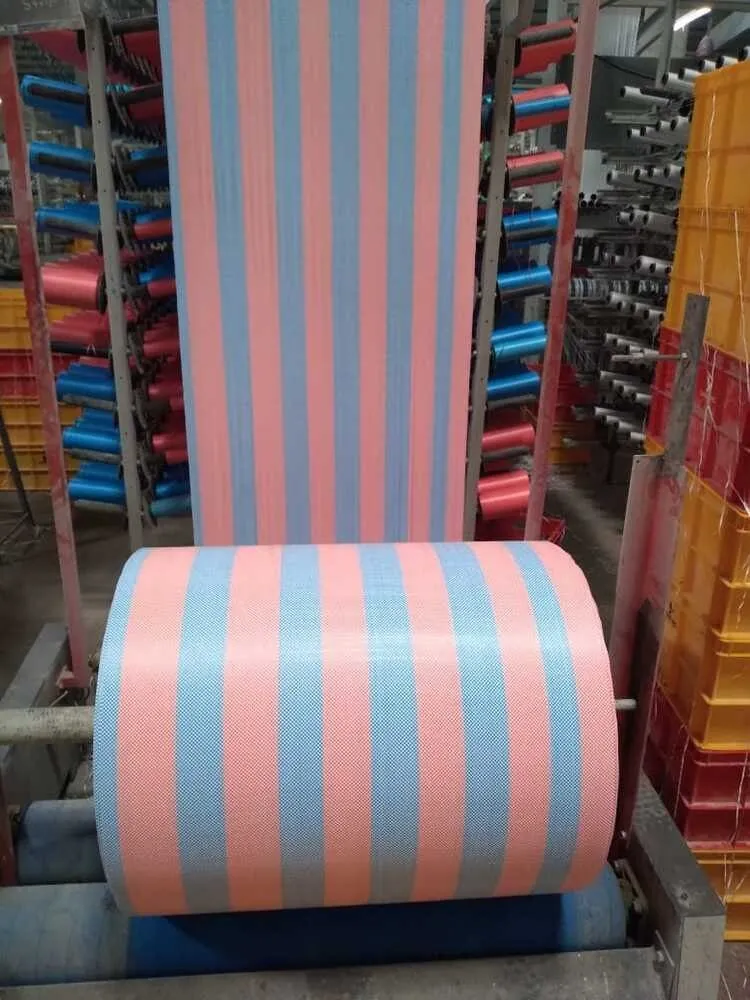
- Tighter weave at higher GSM where the product allows - closes the fabric-body path but adds cost.
- Seam design: double folds with correct stitch density reduce channel size; seam practice details are in the seaming guide.
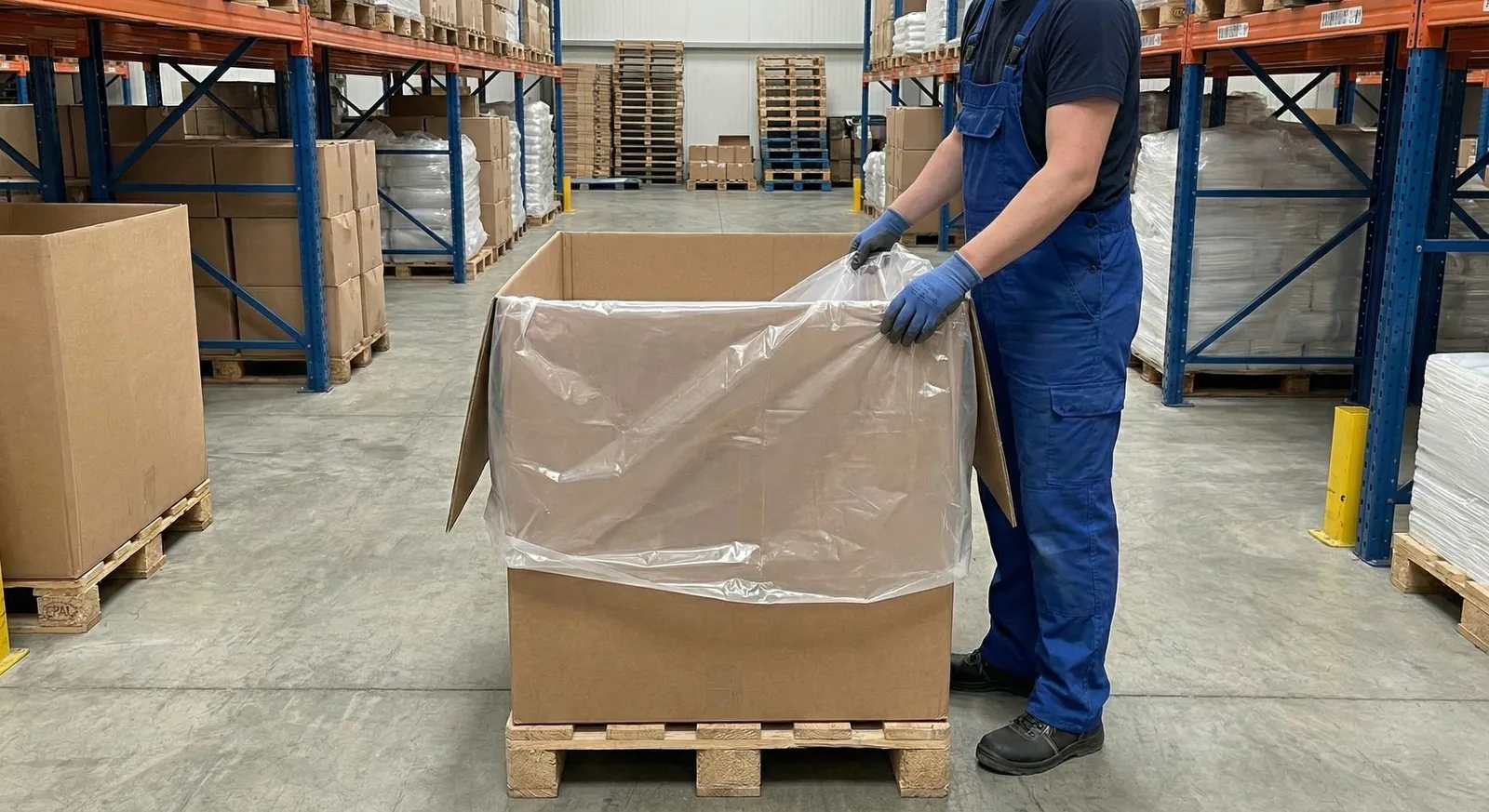
- Inner liners: the decisive fix for fine powders - a continuous PE liner blocks both paths at once, selected per the liner guide.
- Seam tapes and pasted constructions where liners are not wanted.
- Lamination for fabric-body fines when breathability is not required - construction logic in the laminated vs unlaminated guide.
Testing Before You Trust It
Sift resistance is testable, not declarable: fill sample sacks with the actual powder, rest and agitate them for a defined period, and inspect pallet and bag exteriors for fines. Run the test at destination humidity if possible, since static and moisture change powder behaviour. Make the test part of sample approval - the pre-shipment discipline is in the inspection checklist, and the same test repeats per lot on production per the audit practices in the supplier verification guide.
Frequently Asked Questions
Is a heavier bag automatically sift-proof?
No - heavier fabric reduces weave passage but stitch holes remain; the seam and liner layer decide sift outcomes more than GSM.
Does sift-proof mean airtight?
No - sift control stops solids; vapour barrier is a separate property handled by liners and lamination per the moisture guide.
Which industries need sift-proof construction most?
Food powders for hygiene, chemicals for safety and loss control, cement and minerals for cleanliness - anywhere fines create dust, weight loss or contamination risk.
Siddhii Global engineers sift-tight constructions and validates them with filled-bag tests from Kalol, Ahmedabad. Tell us the powder and its fineness and we will spec the fix ladder that fits.
Buyer's Sift-Control Checklist
- Define powder fineness in the enquiry - sifting risk scales with fineness, so the supplier designs against the real product.
- Choose the fix layer deliberately: weave and seam improvements for moderate risk, liner for fine powders, per the liner guide.
- Run the filled-bag sift test on samples and repeat per lot - the protocol lives in the inspection checklist.
- Inspect pallets and bag exteriors at the destination warehouse for the first shipments and feed findings back into the spec.
Sifting is solvable - but only when the powder's fineness, the seam design and the test protocol are on the same page. Suppliers who produce lot-level QC records, the habit verified through the factory audit guide, hold sift performance where undocumented suppliers drift between shifts.