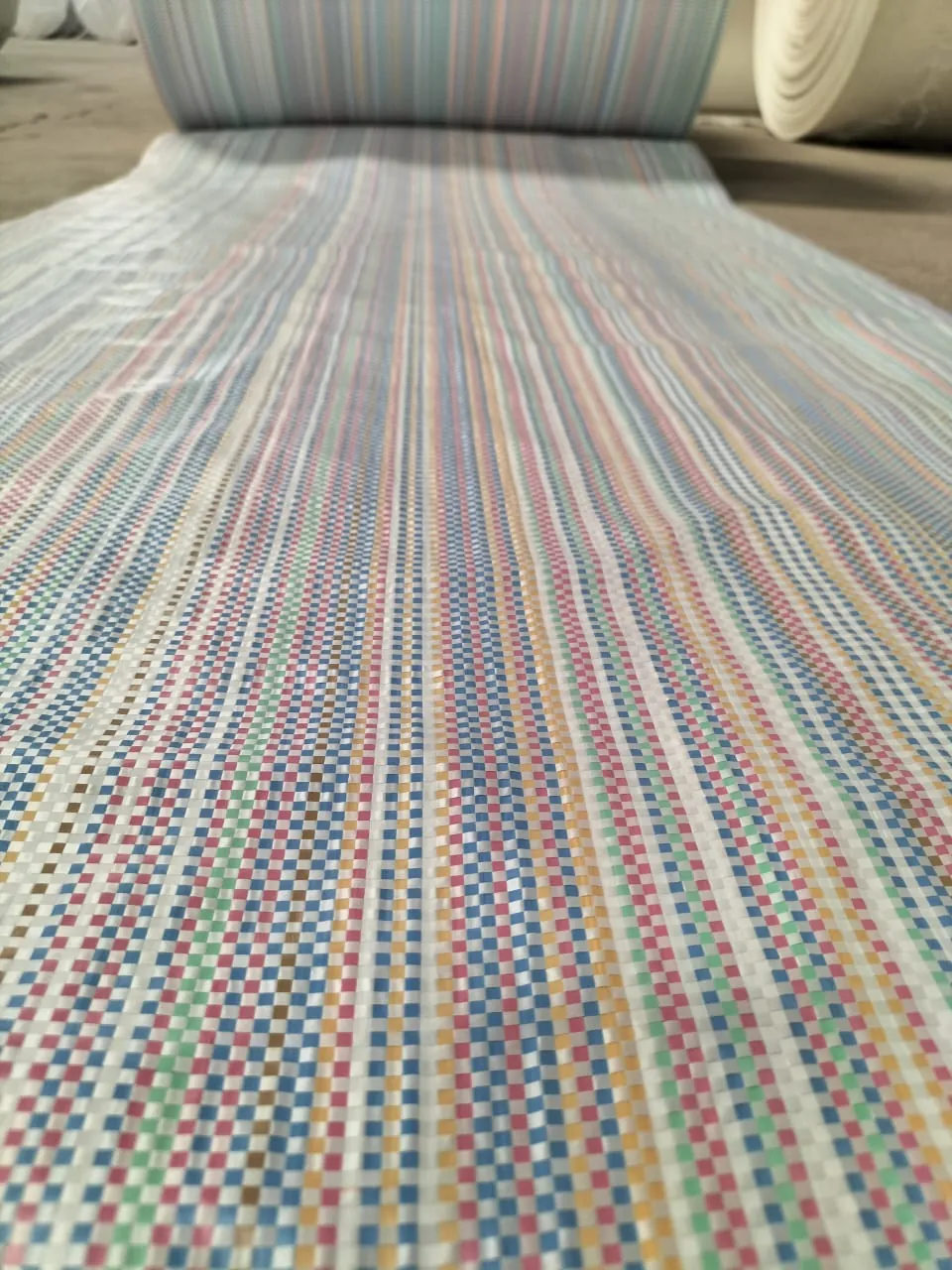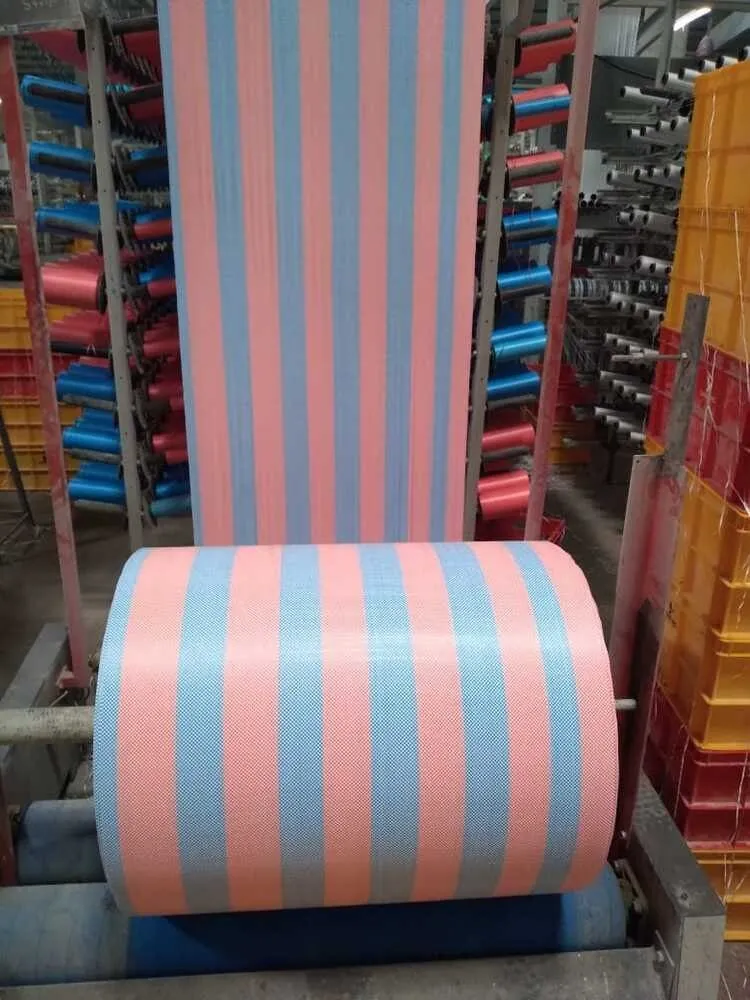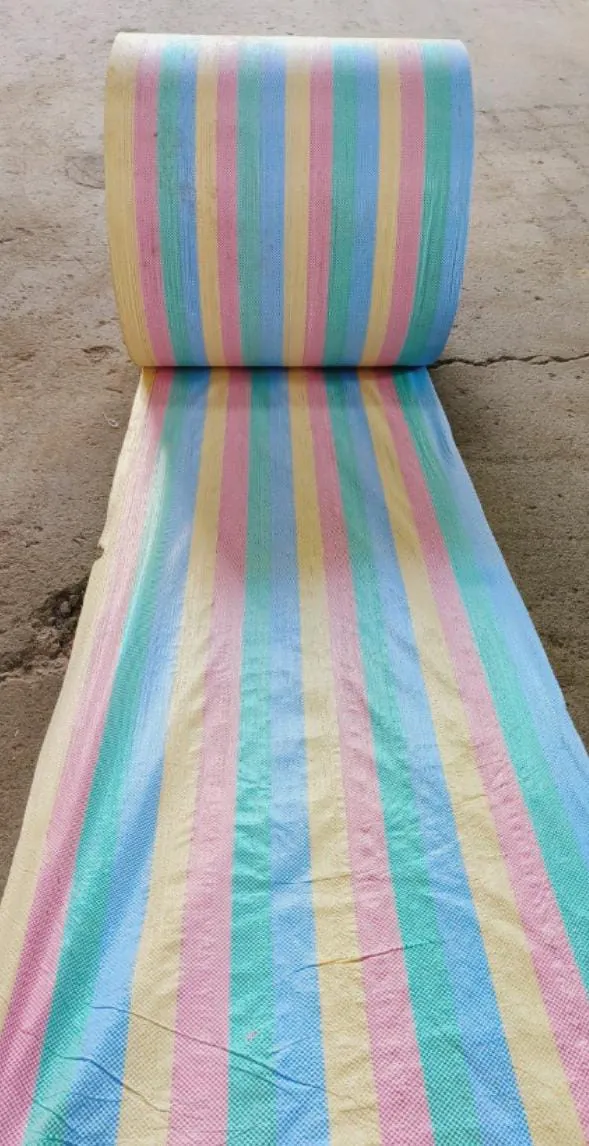
Every PP woven bag spec starts with one number: how many kilograms it must carry safely. But capacity is not a property of fabric alone - it is a system of fabric strength, seam design, product behaviour and handling. This guide gives buyers a practical framework from 5 kg retail packs to 50 kg industrial sacks, so the spec you send to a manufacturer produces bags that survive the filling line and the journey.
The Capacity Logic
Light retail packs carry low static loads but need presentation quality; mid-range sacks carry stacking loads in warehouses; 50 kg industrial bags carry stacking plus dynamic shock from dropping on filling lines and pallets. Fabric tensile must cover the worst case with a safety margin - the industry convention of designing with a safety factor rather than at the breaking point exists precisely because handling is less gentle than the lab.
- 5-10 kg packs: lighter fabrics, emphasis on print and appearance for retail display.
- 15-25 kg sacks: the workhorse range - balance of strength, cost and pallet density.
- 30-50 kg sacks: heavier fabric, reinforced seams, sometimes bottom hem reinforcement for drop shock.
Fabric, Seam and Filling Line Interactions
Heavier loads need both more fabric strength and better seams; a strong fabric with an under-specified seam fails at the stitch line first. Filling dynamics matter as much: high-speed fillers drop and swing bags, so seams and bag geometry must tolerate shock, and valve or open-mouth choice follows the filling system. Powder products add sifting pressure on seams - covered in the sifting-proof guide - while sharp-edged cargo like some minerals stresses the inner surface, where liners help, as in the liner guide.
How to Specify Capacity in an Enquiry
- State fill weight and product: 25 kg fertiliser granules, 50 kg sugar, 5 kg rice retail.
- Describe the filling method and drop height on the line.
- Mention stacking height in storage: number of bags per stack drives bottom-bag compression.
- Ask for fabric GSM, tape denier and seam specification as one package - quoting GSM alone is incomplete.
- Request a filled-bag drop test from the production batch, not only lab tensile strips.
A common buyer mistake is over-ordering GSM for everything, pushing cost up without addressing the actual failure mode, which is usually the seam or the stacking pattern. Our factory audit guide shows how to check that a supplier matches spec to your real handling, and the container loading guide covers the transit stacking side.
Frequently Asked Questions
Does a higher GSM always mean higher capacity?
Higher GSM raises fabric strength, but capacity also depends on tape quality, weave density and seams. A well-made moderate-GSM bag with strong seams can outperform a heavy fabric with weak stitching - specify the system, not one number.
What safety factor should I use?
Follow your industry practice and the filling line reality; conservative factors pay for themselves on first drop. Share your handling details with the manufacturer and ask them to justify the factor they select.
Can one bag design cover 25 kg and 50 kg fills?
Usually no - the 50 kg case needs heavier fabric and seams. Some designs bridge with reinforcement, but the honest path is two specs, since the cost difference is smaller than a field failure.
Siddhii Global engineers PP woven sacks around the load, the line and the route - not a fixed catalogue. Send your fill weight and handling description for a spec-backed quotation from our Kalol, Ahmedabad plant.