Moisture is the quiet destroyer of agri exports. Rice, flour, sugar, seeds and milk powder all absorb water vapour during weeks at sea, and the damage shows up at discharge as caking, mould and claims. Buyers usually face a construction choice: a laminated woven bag, a woven bag with an inner polyethylene liner, or both together. Each attacks moisture differently, and knowing the difference protects your cargo and your margin.
Two Different Barriers
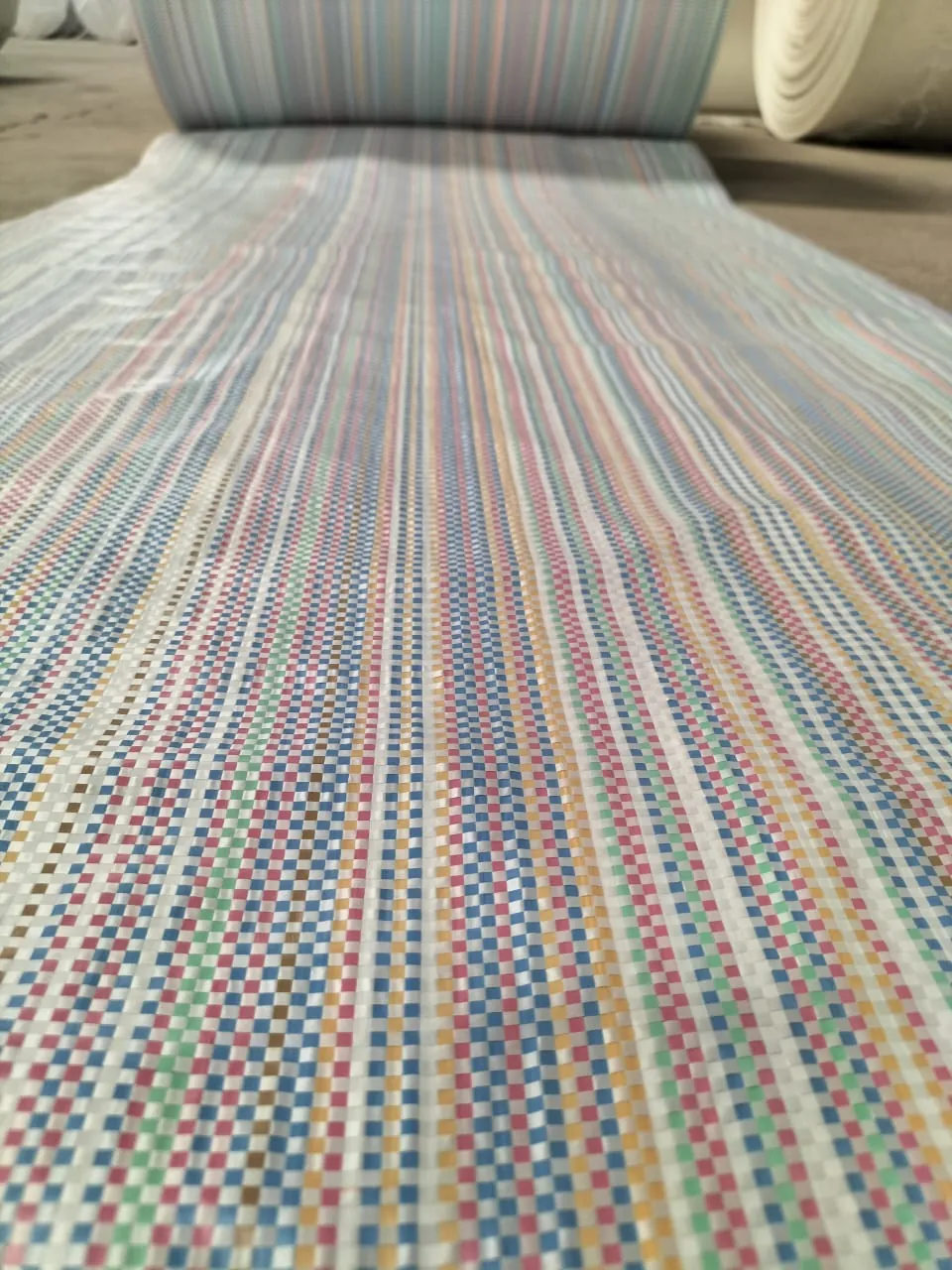
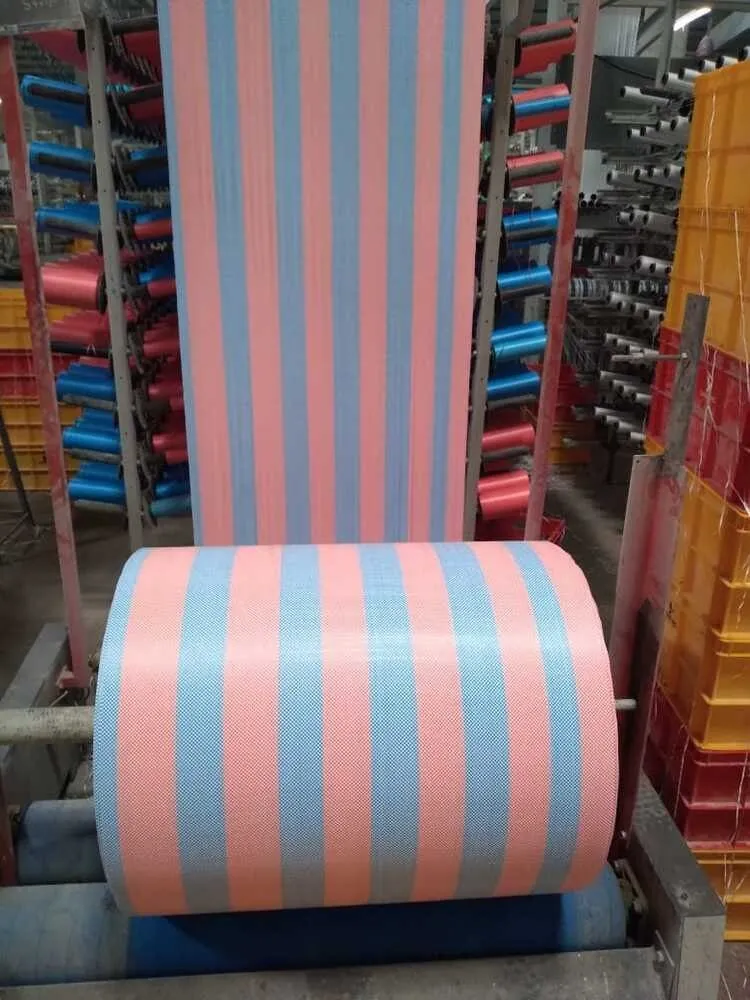
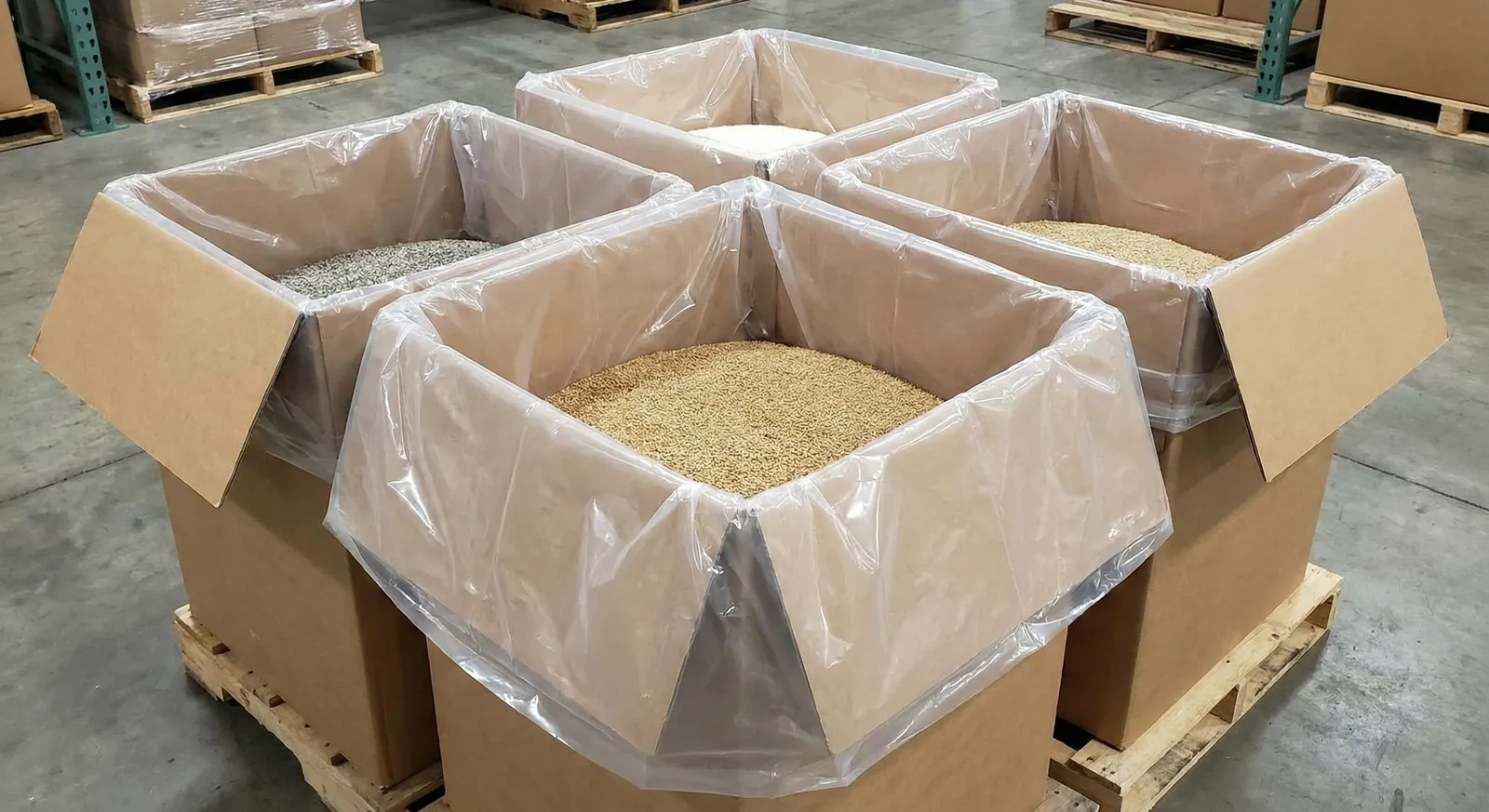
Lamination seals the woven surface - it stops splash water, dew and light rain, and slows vapour movement through the fabric. An inner liner is a continuous polyethylene tube or sheet inside the bag - a true vapour barrier with welded or folded closings, doing the heavy lifting against humidity in the air inside the container. Lamination protects from outside in; the liner protects from inside out. For most grain and powder exports crossing equatorial waters, the liner is the more complete defence, which is why our liner bags range exists alongside laminated fabric.
When Each Construction Wins
- Short routes, covered logistics, moderate humidity: laminated fabric alone is usually enough.
- Long sea transit, monsoon loading ports, hygroscopic cargo: laminated bag plus PE liner is the standard export recipe.
- Fine powders: liner also stops sifting through seams - see the sifting-proof sacks guide.
- Breathing cargo like some seeds: liner with venting strategy, since a sealed liner without moisture conditioning can trap problems - discuss with your packer.
A container is not a dry environment: daily temperature swings on the water condense moisture on cargo and walls - the container rain problem. Liners and correct stowage reduce the exposure, and our container loading guide covers the stowage side.
Cost Perspective
A liner adds material and an insertion step, so lined bags cost more than the same bag bare. The comparison to run is against the cost of a rejected lot: insurance claims, re-drying, re-packing and reputational damage dwarf the liner price on any serious volume. Many buyers start with liners on export lots and drop them for domestic short-haul where they are not needed - a two-spec approach that keeps cost honest.
Specification Details That Matter
- Liner thickness and material - LDPE or LLDPE blends - should match product weight and sharpness of edges.
- Liner top closing: folded and stitched, or heat-sealed for the tightest barrier.
- Liner length must allow proper tucking without being so long it bunches at the base.
- Anti-static liner options exist for powders - see the anti-static guide for chemical cargo.
Frequently Asked Questions
Can I order laminated bags now and add liners later?
Yes - liners are a separate product inserted during packing, so many buyers hold laminated bag stock and add liners only for export lots. Confirm liner sizing matches the bag before mixing suppliers.
Do liners fix a leaking seam?
A correctly tucked liner covers the seam from inside, which is why liner plus normal stitching performs better than chasing perfect outer seams. For dust-critical powders, combine both approaches.
What about FIBC bulk loads?
The same logic scales up: FIBC use dedicated liner bags inside the jumbo - see the FIBC liners range for the bulk version of this topic.
Siddhii Global manufactures laminated PP woven bags and PE liner bags under one roof in Kalol, Ahmedabad, so constructions match by design. Send your cargo and route details and we will propose the right moisture spec.