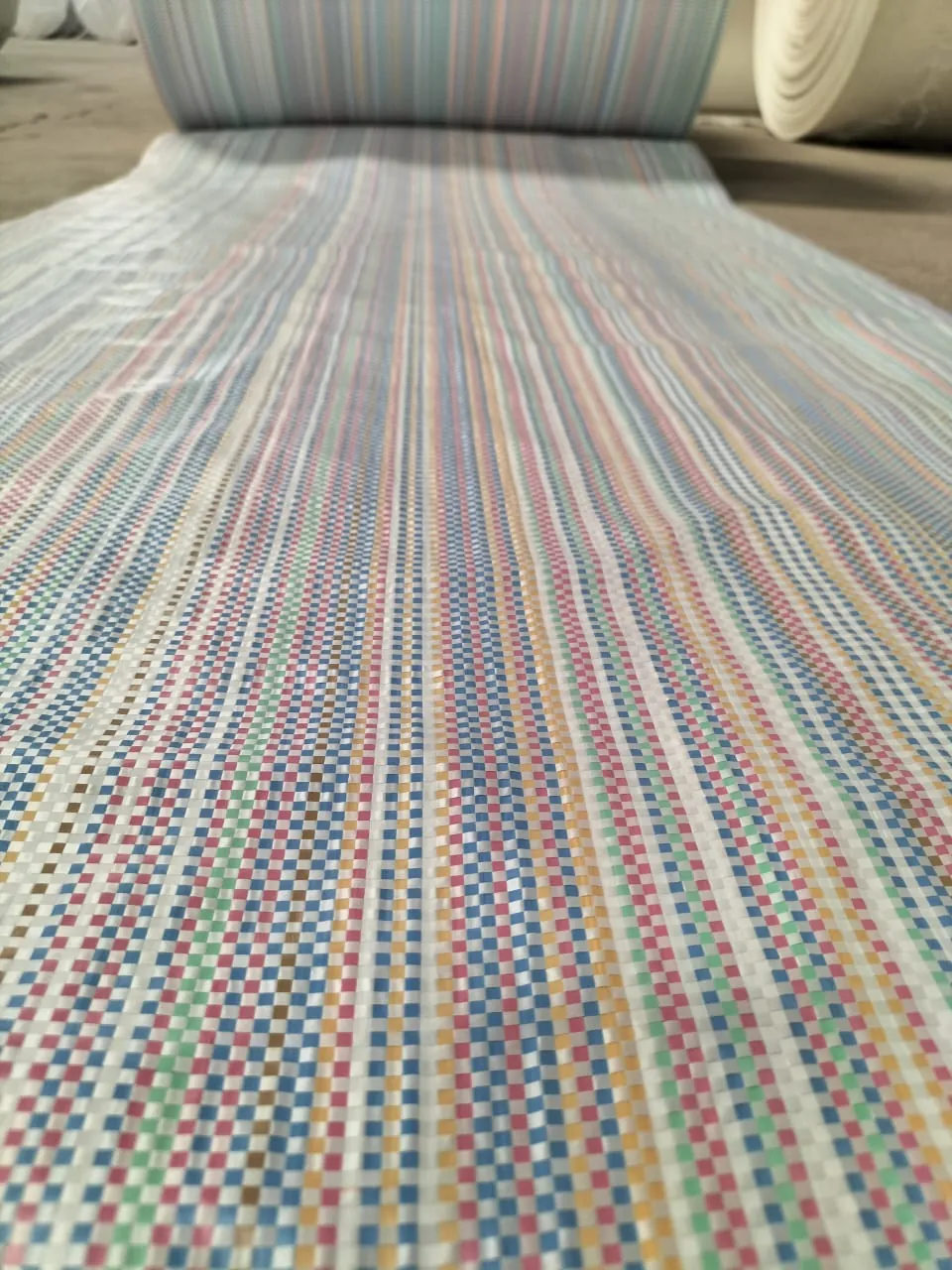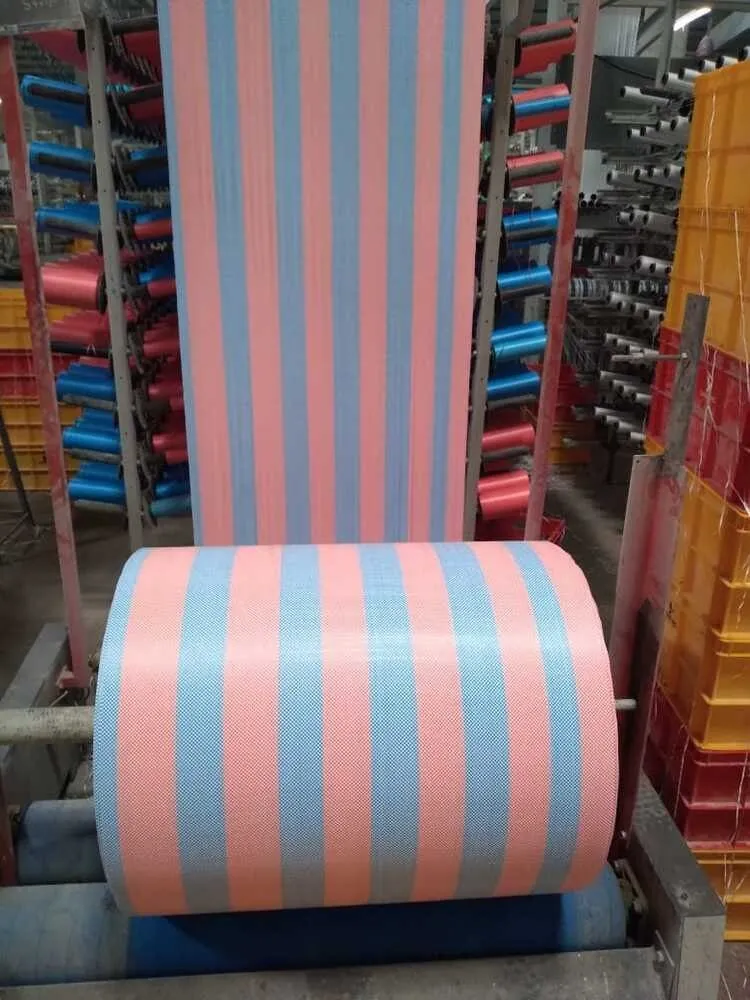
Cement and dry mortar pack at ferocious speed through valve fillers - the bag slides onto a spout, product blasts in under pressure, and the filled bag drops off in seconds. This duty demands a different sack from the open-mouth world: the valve-type woven sack. Specifying it well keeps filling lines clean, fast and dust-free.
How Valve Filling Works
A valve sack has an internal sleeve - the valve - through which the filler injects product under pressure. Air escapes through the fabric or dedicated vents during filling; when pressure drops, product in the sleeve settles and self-closes the passage. No stitching happens on the line - the sack closes itself, which is exactly why high-output cement plants run valves. Construction must tolerate the pressure and the drop off the spout, so fabric weight and weave density are engineered for the duty - the capacity logic is in the capacity chart.
Construction Choices That Matter
- Valve type: internal sleeve self-closing valves are the cement standard; external and stitched valves suit other setups - match the sleeve to the filler spout.
- Air path: filling pushes air out; fabrics or vent designs that release air without releasing product keep packs tight and lines clean.
- Bottom construction: pasted-style bottoms on woven constructions improve square stacking on pallets.
- Sift control: fine cement dust challenges seams - liner or tight-seam practice per the sifting guide.
Machine Compatibility Is a Specification Item
Valve sacks live on specific machines: spout size, packing pressure and bag geometry must agree, or jams and dust follow. Share your filler model and pressure range with the sack supplier and trial on your line before bulk - the trial discipline is in the MOQ guide. Print on cement sacks is flexo territory - brand panel plus handling marks - per the printing guide.
Frequently Asked Questions
Why not stitch open-mouth bags for cement?
Stitching costs time and dust on high-speed lines; valve filling self-closes and runs faster - the economics favour valves at volume.
Do valve sacks need liners?
For moisture-sensitive blends and long storage, liners help; the moisture strategy is the same as in the moisture guide adapted to valve construction.
Can valve sacks carry retail branding?
Yes - laminated valve constructions print well; DIY-mortar brands increasingly use them for shelf presence alongside machine performance.
Siddhii Global manufactures valve-type woven sacks matched to filler specifications at Kalol, Ahmedabad. Send your filler details and fill weight for a machine-matched valve sack quote.
Cement Buyer Field Checklist
- Send the filler spout size and pressure range in writing - sleeve matching starts there.
- Trial on your own line for filling speed, dust and drop behaviour - trial discipline in the MOQ guide.
- Check bottom construction for square stacking - pallet behaviour ties into the loading guide.
- Specify moisture handling for monsoon storage - liner or lamination per the moisture guide.
- Demand lot-wise QC records - the inspection checklist.
The most expensive valve-sack mistake is machine mismatch - a full lot jamming on the line dwarfs the price difference between suppliers. Ask for references from the supplier's other filler-matched installations and verify them, the same way the audit guide teaches.