Every importer eventually asks: how many bags actually fit in the container? The honest answer is a calculation, not a rumour - and the calculation usually surprises first-time buyers because weight, not volume, is the limiting factor for filled bags. This guide walks the math with real container numbers so your order planning starts from facts.
Container Basics
A standard 20ft unit offers roughly 33 cubic metres of internal volume with a payload around 28 tonnes; a 40ft high-cube offers roughly 76 cubic metres with payload in the same ballpark, around 28-29 tonnes depending on the unit. Exact figures vary slightly by container build and shipping line - verify against the actual unit booked. Those two numbers, volume and payload, drive everything else. Indicative figures used below: 33.1 CBM and 28,200 kg for the 20ft; 75.7 CBM and 28,600 kg for the 40ft HC.
Filled Bags: Weight Almost Always Wins
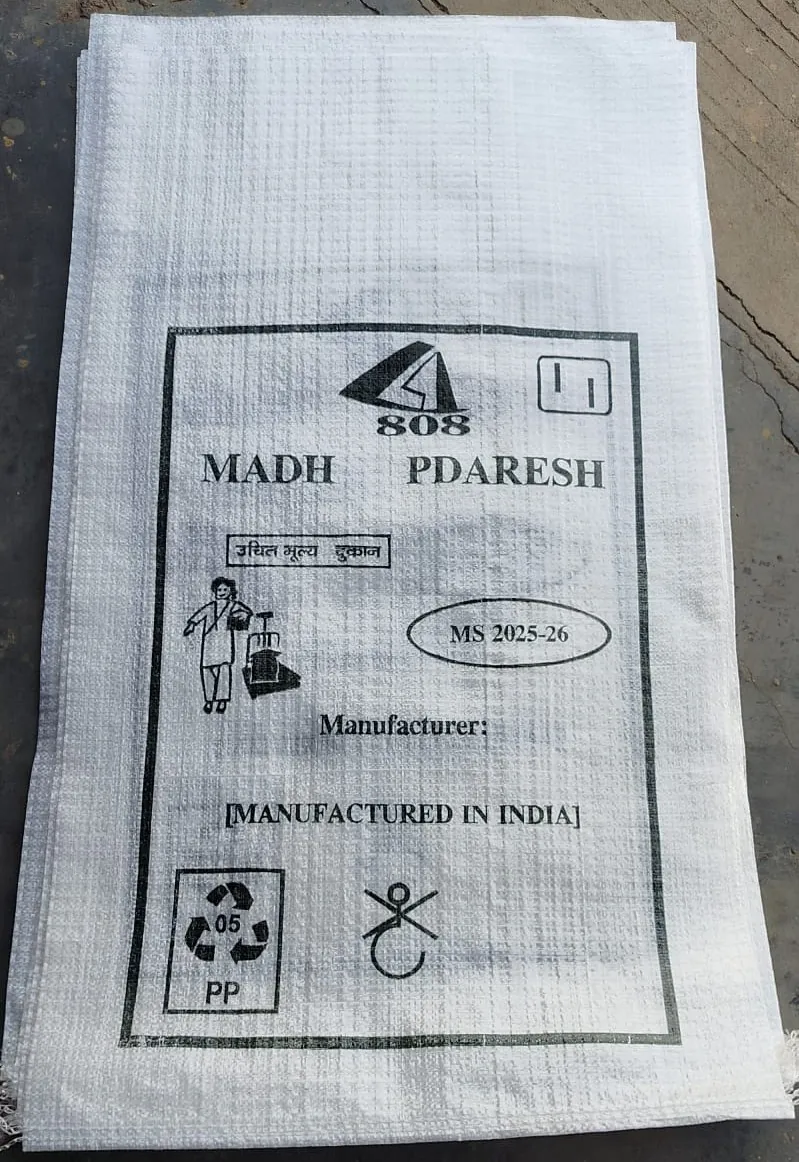
Take baled 50 kg sacks - a bale stacks around 60 by 45 by 12 centimetres, about 0.0324 CBM. Volume says a 40ft HC could hold roughly 2,300 bales; payload says around 572 at 50 kg each. The container weight limit binds long before the volume does. For 25 kg sacks the same logic holds - volume would allow thousands, payload stops near 1,100. So for filled bags, plan on payload: divide container payload by fill weight, then subtract allowance for dunnage and uneven loading.
- 20ft with 50 kg bags: payload-bound at roughly 550-560 bags.
- 40ft HC with 50 kg bags: roughly 560-570 bags - the extra volume does not help when weight binds.
- 20ft with 25 kg bags: roughly 1,120 bags; 40ft HC near 1,140.
Empty or lightly filled bags reverse the rule: baled empty sacks are light, so volume binds and a 40ft HC carries dramatically more - one reason roll and empty-bag logistics pack so efficiently.
Stowage Practice That Protects Bags
Numbers aside, cargo arrives only as well as it was stowed: palletise where the buyer's warehouse expects it, interleave layers, use slip-sheet or wrap strategies where laminated surfaces are slick, and keep moisture protection under the container rain reality discussed in the moisture guide. Anti-slip practice for stacked woven cargo follows the approach used with anti-slip woven bags.
Frequently Asked Questions
Why did my supplier quote fewer bags than my calculation?
Probably honest payload math versus optimistic volume math - ask for their loading plan with weights; discrepancies usually sit in dunnage and practical stacking, per the checklist in the inspection guide.
Should I ship 20ft or 40ft for filled bags?
When weight binds, the 40ft often carries nearly the same weight for more freight - run both per-kg landed costs before booking.
Do pallets reduce quantity?
Yes - palletised loading trades unit count for handling speed and damage reduction; decide by destination warehouse needs, not bag count alone.
Siddhii Global plans container loads with customers and shares loading plans before booking - send your bag size and fill weight for a loading calculation with your next quote.