Behind most woven sacks, tarpaulins, liners and FIBC bags sits a converter cutting and sewing fabric somebody else wove - and the quality ceiling of every converted product is set at the weaving stage. Fabric that runs jam-free on cutting tables, laminates without bubbles and prints after corona treatment is manufactured, not lucky. This guide covers the roll specification set converters and bag makers should demand.
Woven Fabric Specifications That Matter
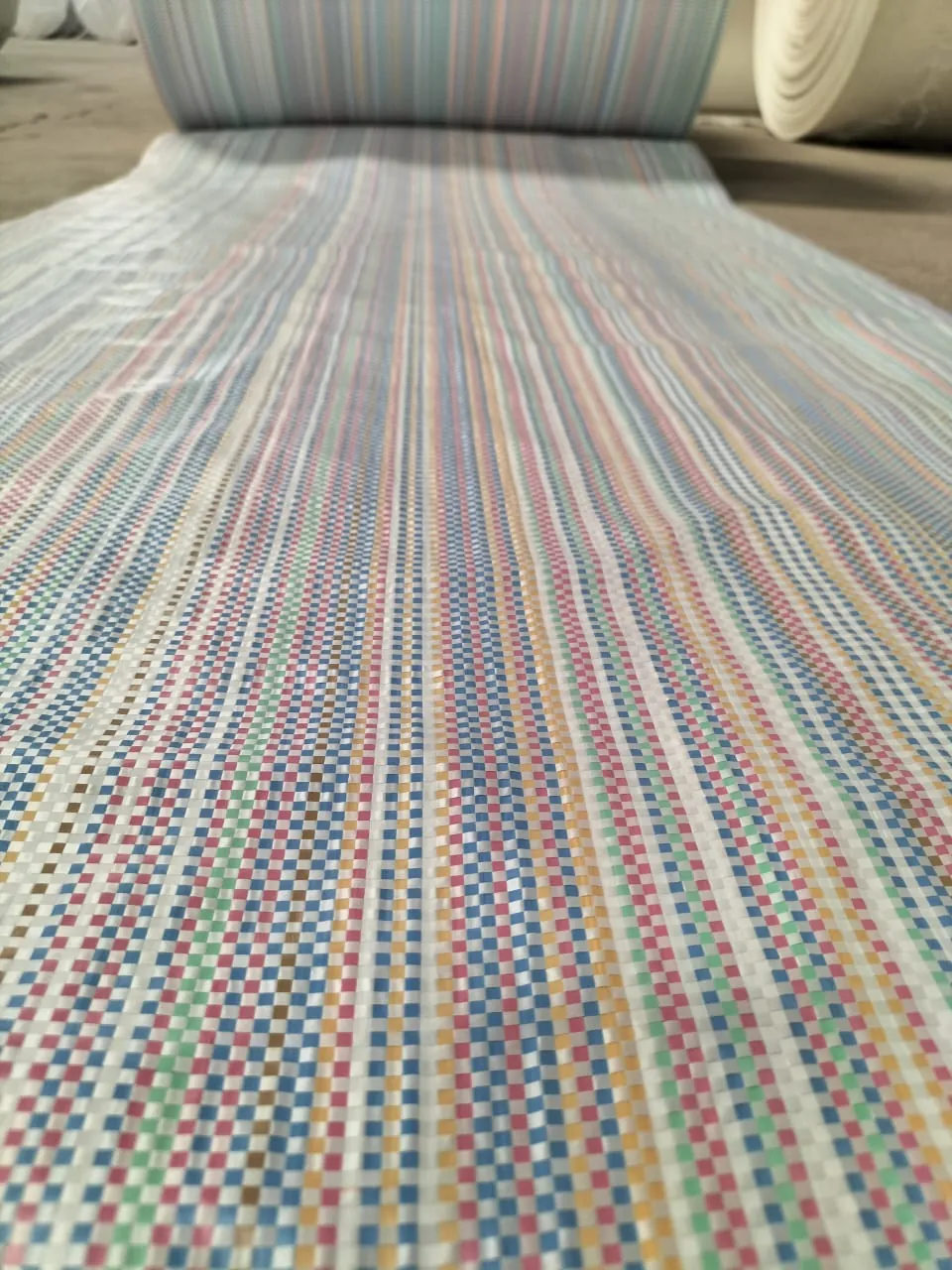
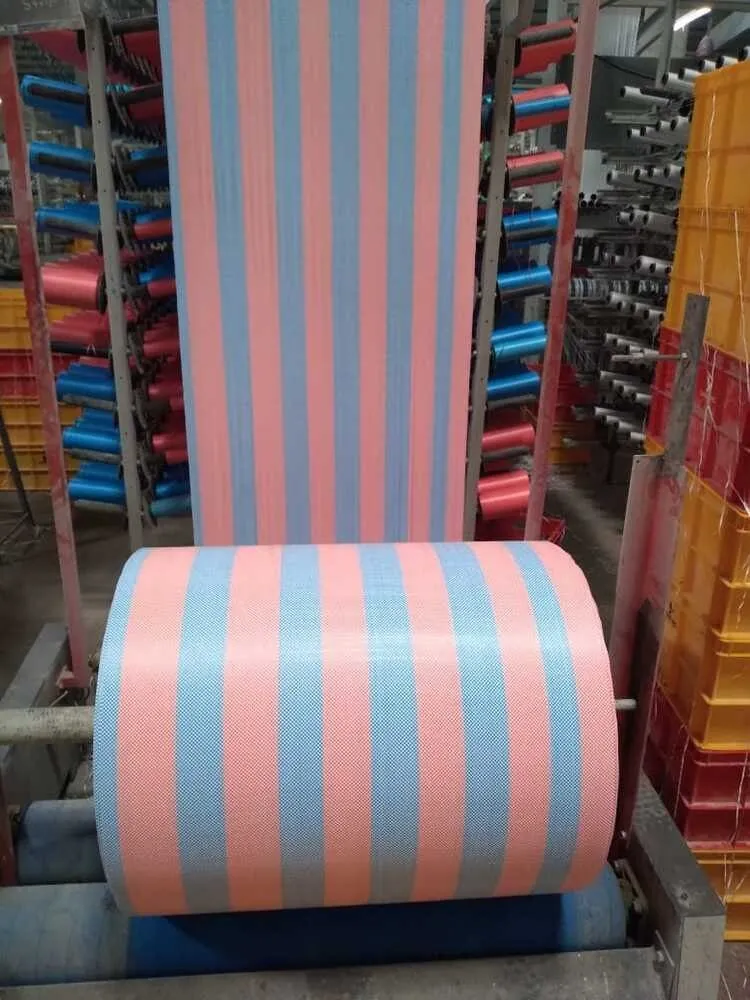
- GSM range: 50-150 GSM woven PP or HDPE tape fabric - lightweights for produce and liners, midweights for sacks, heavyweights for tarpaulin and FIBC.
- Widths: standard roll widths through wide webs; consistent width across the roll decides conversion yield.
- Surface: bare, coated or laminated; corona-treated rolls accept printing and lamination adhesion.
- UV package: stabilisation quoted against declared outdoor months for tarpaulin and outdoor conversion.
- Roll handling: core strength, wind quality and length consistency - a telescoped roll stops a cutting line, which is a cost nobody prices into the fabric quote.
GSM selection logic is tabulated in our GSM selection guide, and roll formats are on our woven fabric product page.
Where Woven Fabric Rolls Are Converted
- Bag conversion: cutting, printing and stitching into sacks for agri and industrial fills.
- Tarpaulin and covers: heavy GSM rolls with UV packages for outdoor service.
- FIBC body fabric: high-denier fabric for jumbo bag programs.
- Laminated products: bags and sheeting where print quality depends on lamination behaviour - converter-side detail in our converter guide.
PP versus HDPE tape selection follows the end use - PP for cost and print behaviour, HDPE for stiffness and UV-heavy outdoor duty; the material trade-offs are compared in our PP vs HDPE fabric guide.
Manufacturing and Quality Control
Tape extrusion and weaving run in-house with UV and colour masterbatch metered at the hopper. QC per roll covers GSM, width consistency, tensile in both directions, corona treatment level on print grades and wind quality inspection. Batch records link rolls to production parameters - the traceability that lets a converter prove material spec downstream. Container loading is planned around roll core and width to minimise transit damage.
How to Specify Your Order
Fix five things: material (PP or HDPE), GSM, width and roll length, surface treatment (bare, corona, coated or laminated) and UV package if outdoor. Converters should state their cutting equipment so roll handling matches the line. MOQ starts at container or pallet level by GSM; repeat programmes run scheduled volumes. Lead time is typically 2-3 weeks. Ask for roll-level QC records with the quote - they are the difference between a fabric supplier and a fabric source.
Frequently Asked Questions
What GSM fabric for FIBC bodies?
Jumbo bag bodies typically weave in the heavier fabric classes with high-denier tape, sized to SWL and safety factor - we weave and convert FIBC in-house, so fabric and bag specs stay matched.
Does corona treatment matter for laminated fabric?
Yes - lamination adhesion and print quality both depend on surface energy; untreated fabric is the hidden cause of delamination complaints.
PP or HDPE fabric for outdoor covers?
HDPE with a heavy UV package wins for long outdoor exposure; PP wins on cost and print behaviour for shorter cycles - the guide above walks the decision.
Siddhii Global weaves PP and HDPE fabric rolls at its Kalol, Ahmedabad plant for converters, bag makers and tarpaulin manufacturers. Send GSM, widths and conversion plan and we will quote rolls with corona and UV documentation.