Three materials compete for the same sacks: woven polypropylene, multiwall paper and jute. Each has loyal users, and each is genuinely best somewhere. This comparison stays honest about trade-offs - because the right answer depends on cargo, route, market expectations and regulation, not on loyalty.
Strength and Handling
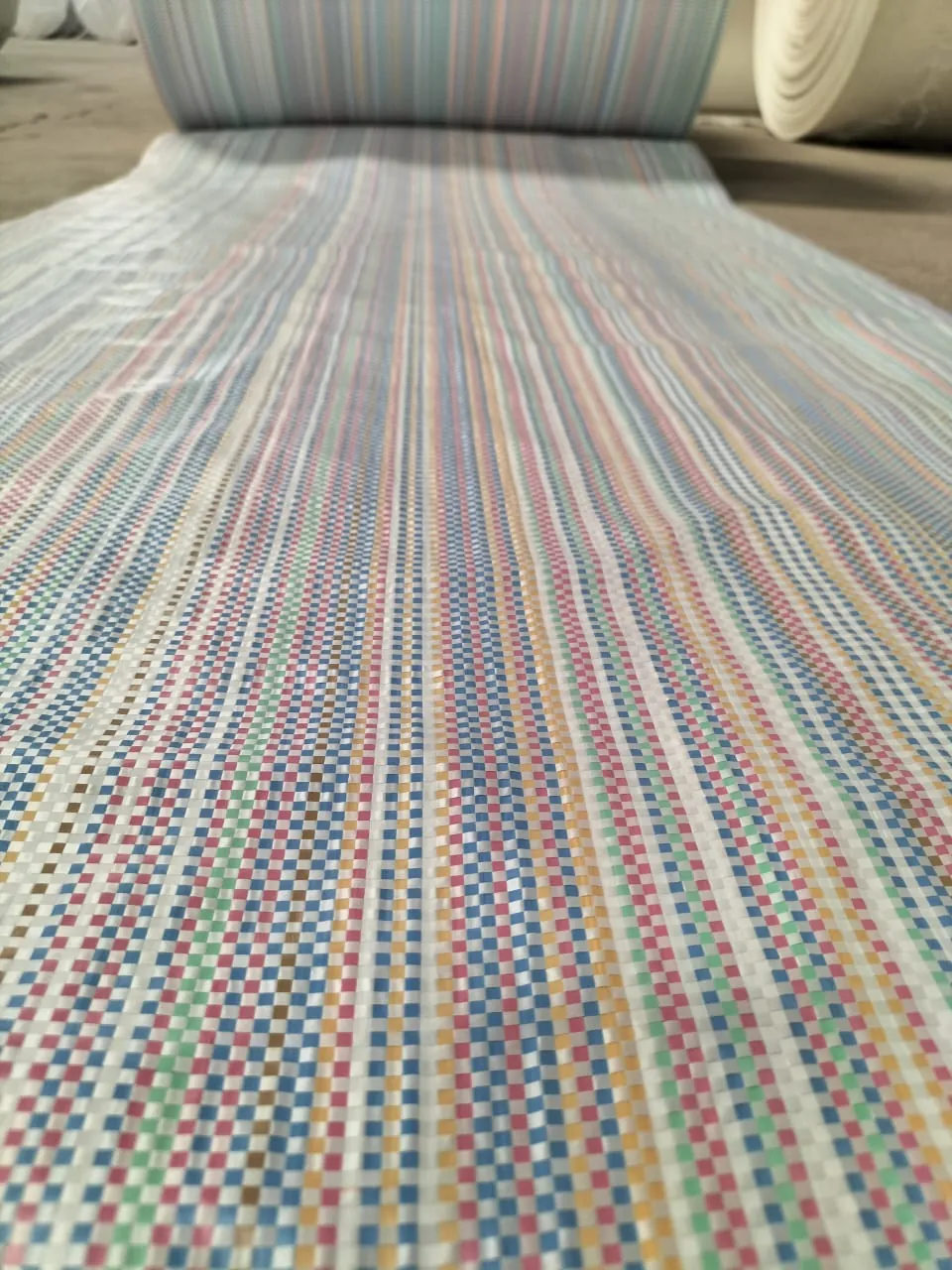
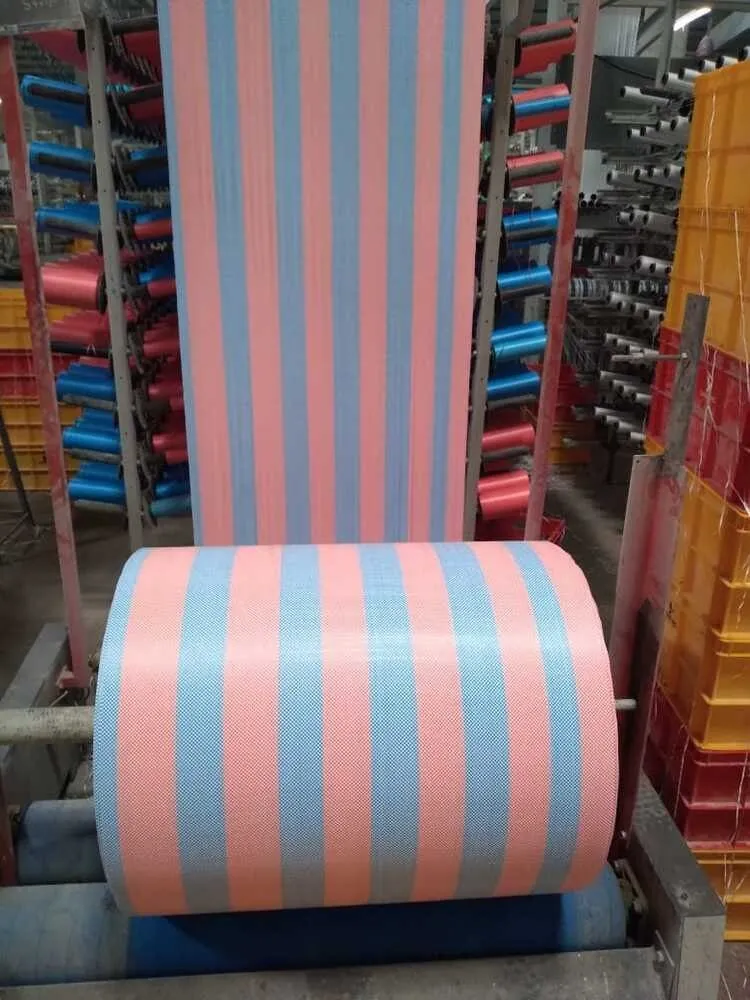
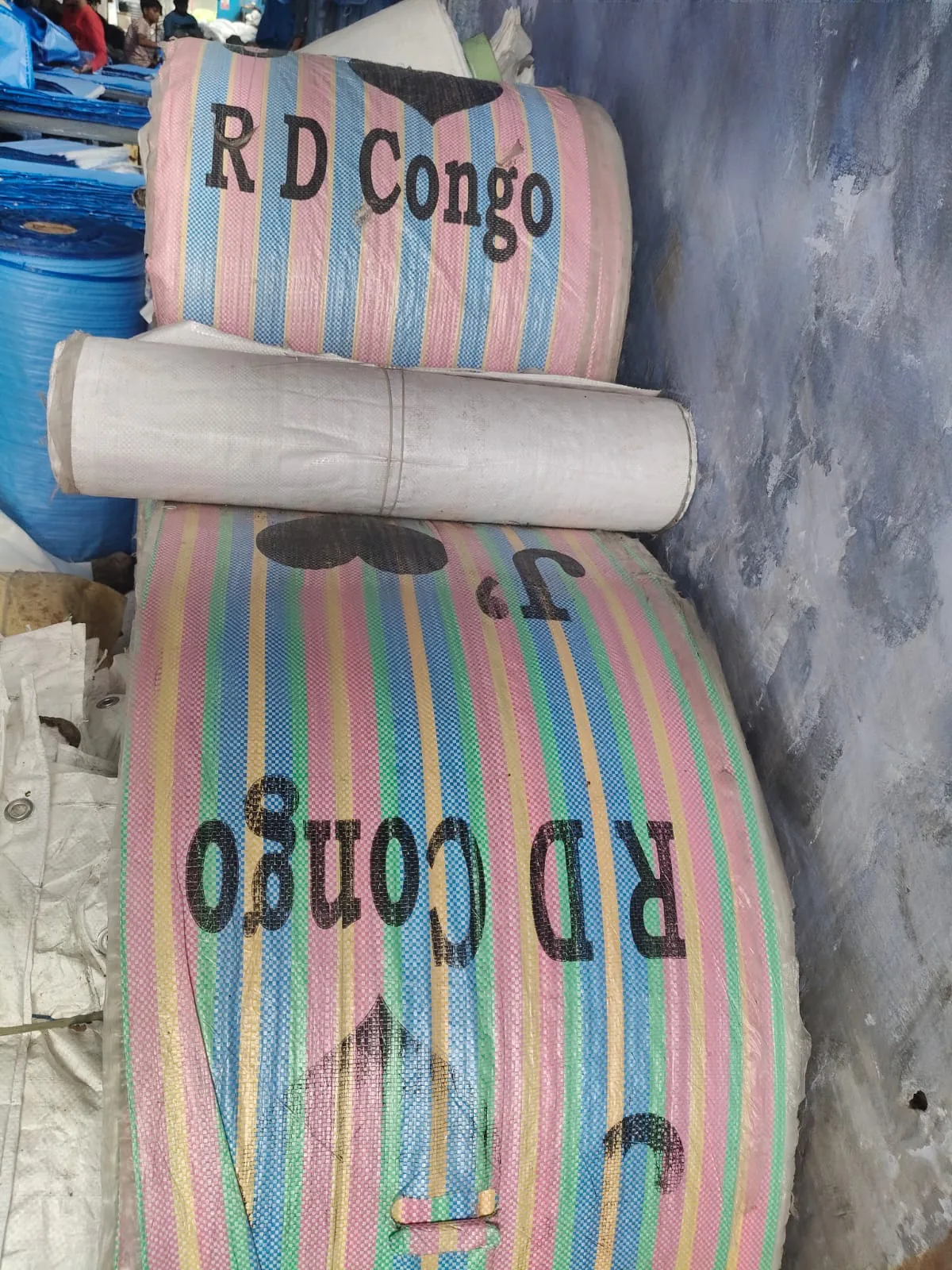
Woven PP carries the highest load per gram: its oriented tapes give tear resistance and seam strength that survive drops, hooks and re-handling. Multiwall paper relies on layered kraft - strong in compression, vulnerable to moisture and tearing when wet, excellent on palletised systems with gentle handling. Jute sits between, naturally fibrous and grip-friendly, but variable in consistency and heavier per sack for the same load.
Moisture Behaviour
This is where constructions diverge sharply. Woven PP laminates or takes liners for full moisture strategy - see the moisture guide. Paper absorbs water unless coated or lined, and wet paper loses most of its strength. Jute breathes naturally, historically valued for produce, but it can transfer odour and moisture to sensitive cargo and is not the choice for hygroscopic powders.
Cost Drivers
Woven PP tracks polymer prices; paper tracks pulp; jute tracks fibre harvests. Per bag, PP woven usually wins on strength-to-cost for heavy industrial loads, paper wins where premium appearance and printability justify itself, and jute wins where regulation, tradition or a natural-fibre story matters. Total cost must include handling losses: a cheaper sack that fails twice costs more than a stronger one.
Sustainability and Regulation
Jute is biodegradable and carries a strong natural story; paper is widely recycled; PP woven is recyclable where collection exists and its light weight means less material per cycle - the honest sustainability picture for PP is in our recyclability guide. Some markets and buyers push paper or jute for policy or brand reasons, and reuse cycles change the math everywhere: a PP sack reused several trips can beat single-cycle alternatives on per-use footprint.
Choosing per Cargo
- Cement, fertiliser, minerals, feed: woven PP dominates on strength and cost.
- Retail premium food where shelf look rules: paper or BOPP-laminated woven per the printing guide.
- Produce and traditional markets: jute or ventilated woven per the ventilation guide.
- Export powders needing barrier: laminated PP with liner.
Frequently Asked Questions
Is PP woven food safe compared to paper?
Food-grade PP construction meets food-contact requirements when specified and audited - see the compliance guide; paper has its own food-grade grades. Both are legitimate with proper sourcing.
Which is cheapest per trip?
Run a per-use calculation: purchase price divided by expected trips plus loss rate. PP woven often wins on multi-trip industrial routes; single-trip premium retail changes the answer.
Can I mix materials in one pallet system?
Yes, but stacking friction differs - slick laminated PP and rough jute behave differently on pallets, which the loading guide covers.
Siddhii Global manufactures woven PP sacks and fabric and advises honestly when another material fits better. Describe your cargo and market and we will recommend construction - even when it is not us.