Some cargo must breathe: vegetables keep respiring after packing, firewood carries moisture, seeds hold life. Sealed sacks trap humidity and heat against this cargo; perforated woven sacks thread the needle - containing the load while letting air move. Perforation sounds trivial, but pattern, method and placement decide whether ventilation works or strength collapses.
When Perforation Helps
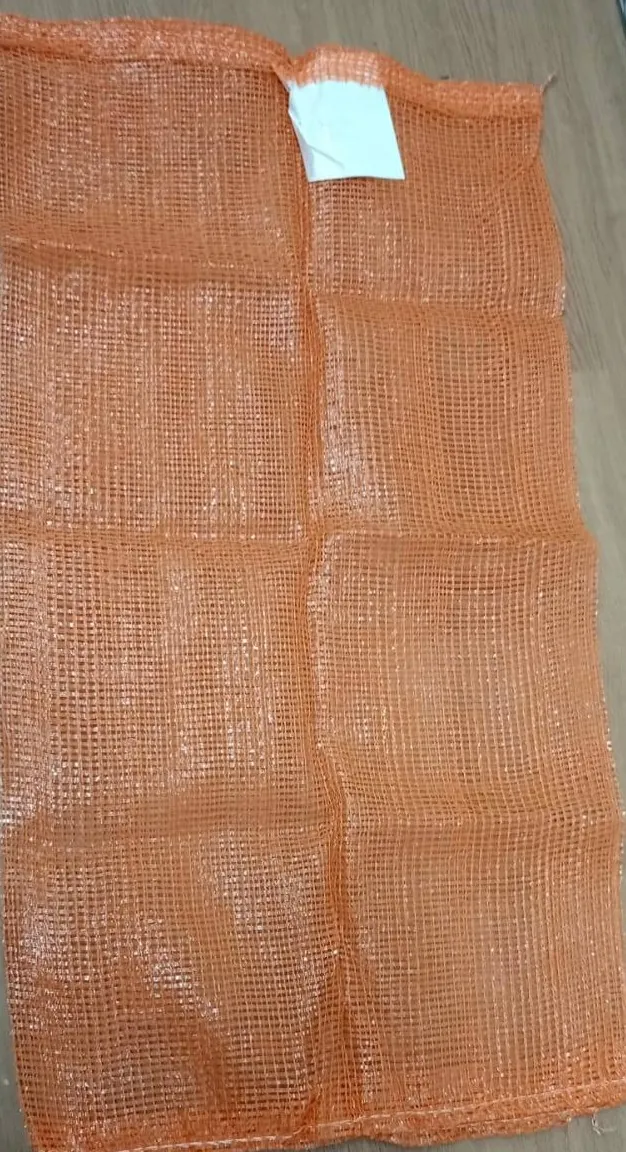
- Fresh produce - onions, potatoes, citrus - where trapped humidity accelerates rot; full open-mesh for this cargo is the alternative in the leno mesh guide.
- Firewood and charcoal where residual moisture must escape; Middle East firewood trade runs perforated sacks routinely.
- Seeds and some grains in conditioned storage where airflow prevents localised heating.
- Cargo moving through humid loading into dry storage, where transient moisture must vent.
How Perforation Is Done
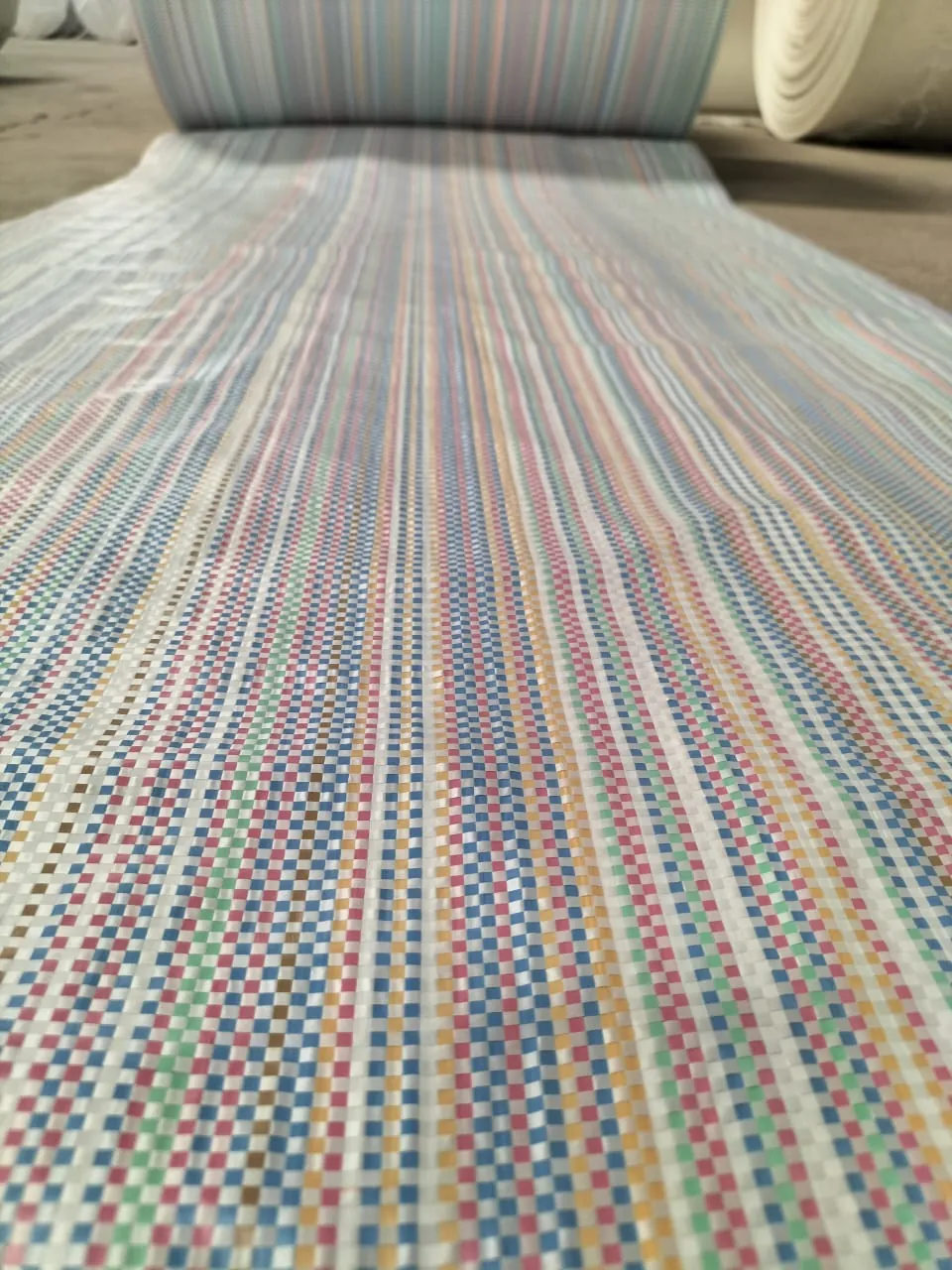
Two families: woven ventilation - open-grid weaving zones built into the fabric - and punched perforation - holes mechanically punched or slotted in finished fabric. Woven ventilation keeps structure strong since tapes carry load continuously; punched holes reduce strength locally, so pattern must avoid seam and stress zones. Hole size trades airflow against containment - small produce needs fine openings, firewood takes generous slots.
Strength and Moisture Trade-offs
Every opening weakens something: load capacity shifts with pattern density, so capacity maths for perforated sacks should account for the reduction - framework in the capacity chart. Perforation also defeats moisture barrier - a perforated sack is a breathable sack, so never combine perforation with moisture-critical cargo; the sealed alternative is the laminated construction. UV exposure for outdoor produce yards follows the UV guide.
Frequently Asked Questions
Can perforation be added to existing bag designs?
Yes - punched patterns can be applied in conversion; validate strength on a filled trial since hole placement changes load paths.
Do perforated sacks print well?
Print panels and vent zones are planned together - keep branding on solid zones; artwork mapping follows the prepress logic in the artwork guide.
What about insects through holes?
Real consideration for stored produce - hole size and storage hygiene manage it; discuss pest exposure with your packer when perforating.
Siddhii Global produces ventilated woven constructions from woven-grid to punched patterns at Kalol, Ahmedabad. Describe the cargo and climate and we will spec ventilation that breathes without collapsing.
Buyer Notes for Ventilated Orders
- State the produce or cargo and its size range so hole size matches containment.
- Decide woven-grid versus punched ventilation with the supplier - strength and appearance differ, and the choice should follow the load per the capacity framework.
- Keep perforation out of seam and stress zones in the drawing - confirm the pattern on a filled trial.
- For outdoor produce yards, pair ventilation with UV package per the UV guide.
Ventilation failures usually trace to patterns copied from another cargo. Design the pattern for your produce, your stacking and your route - suppliers with in-house conversion can show pattern samples and prior installations, verified as always through the audit guide.