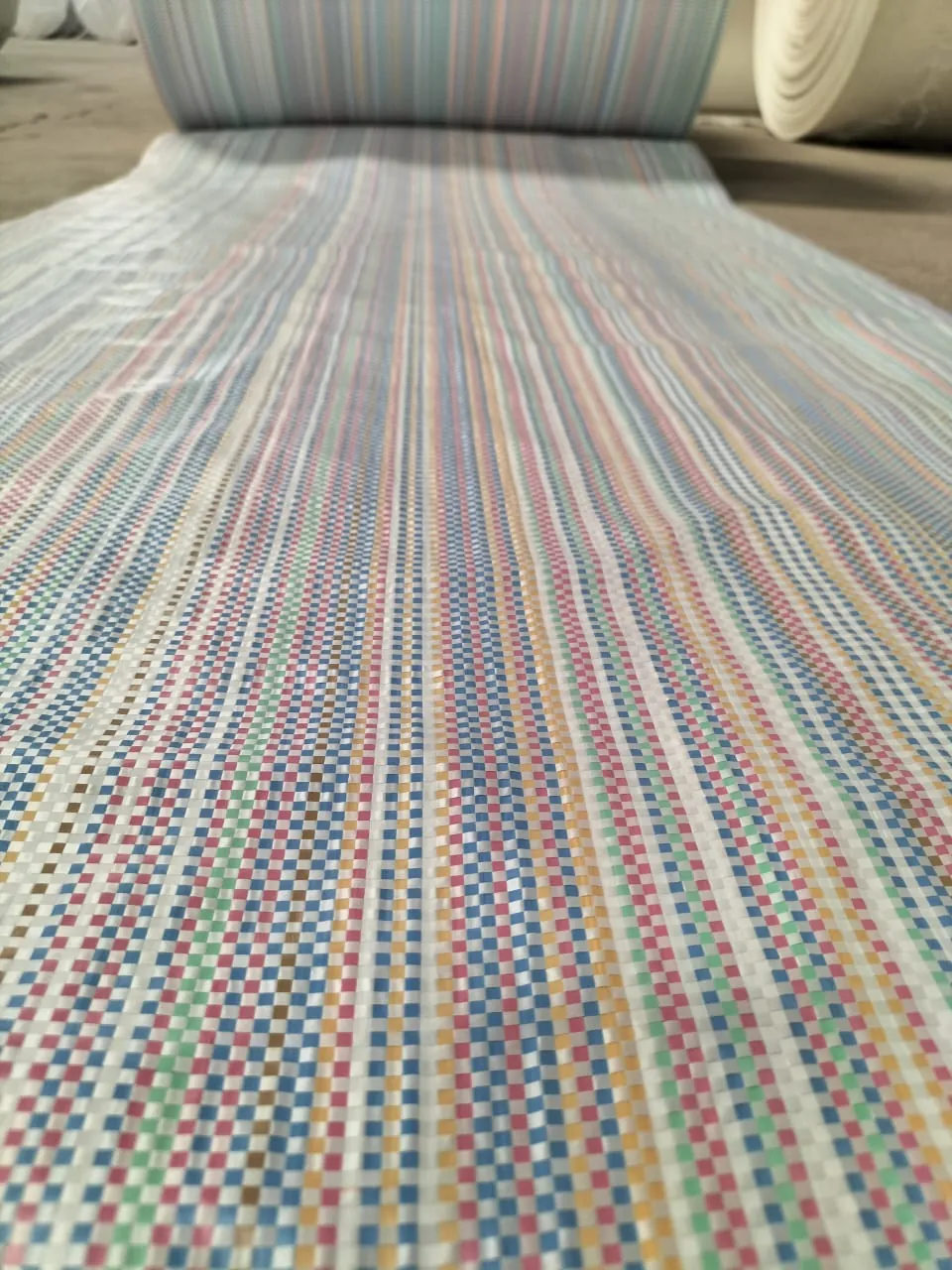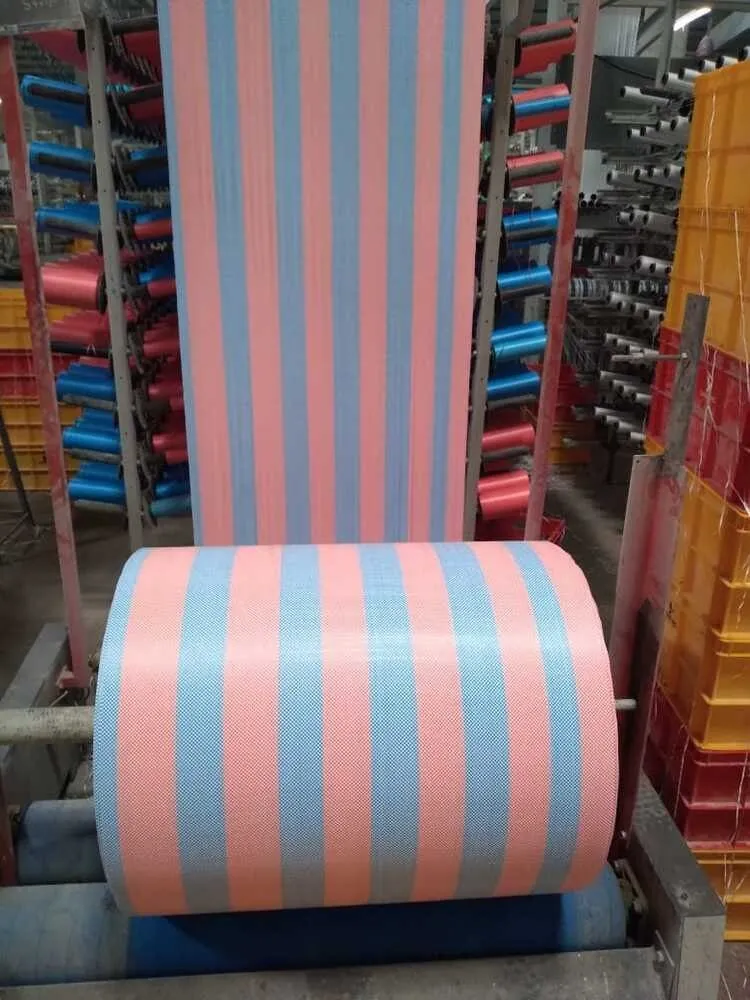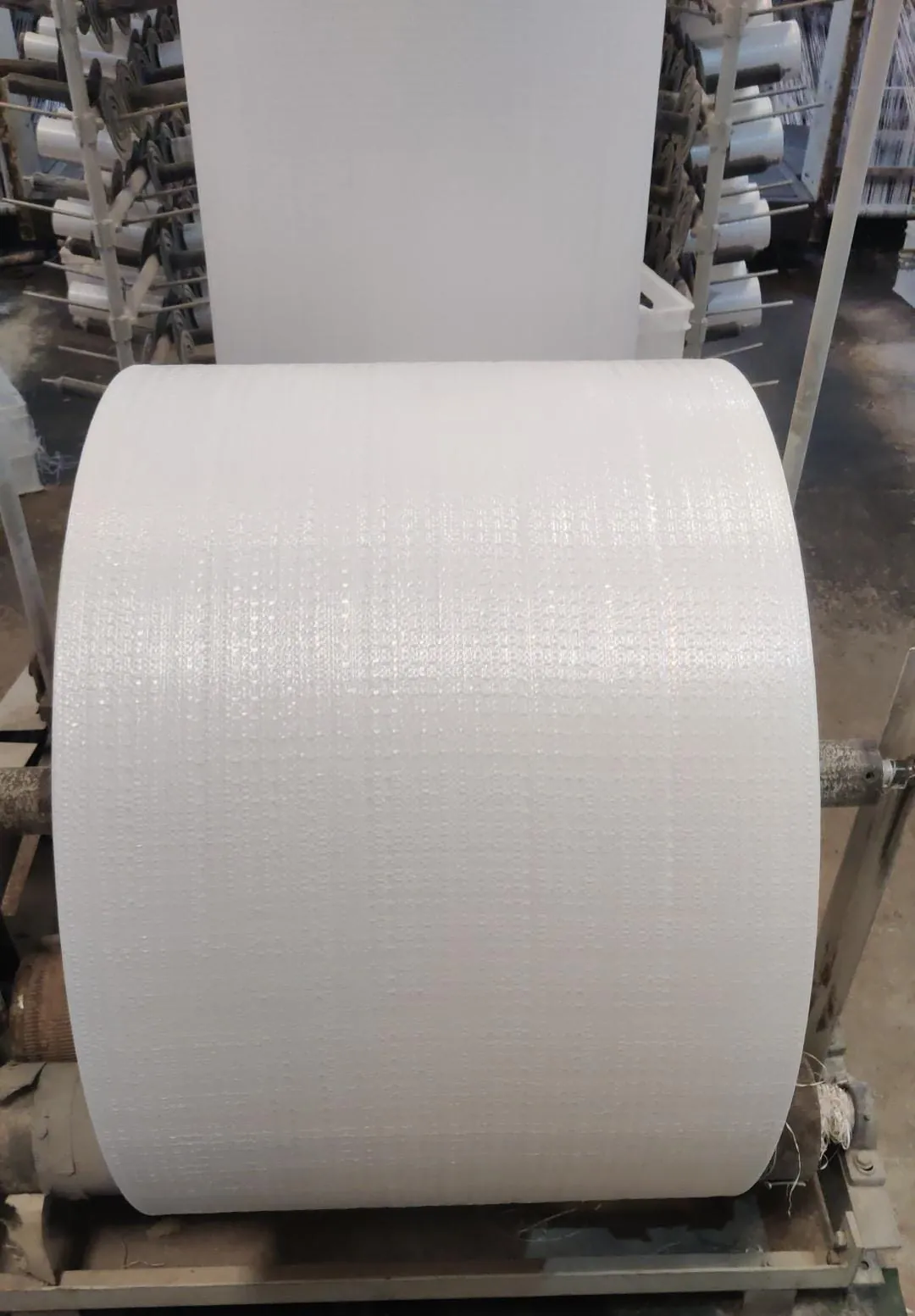
Sustainability questions now arrive in almost every export enquiry: is the bag recyclable, what percentage is recycled content, who collects it at end of life? PP woven bags have a good story - but only when told accurately. This guide gives buyers the honest picture so marketing claims stay credible and sourcing decisions actually reduce footprint.
The Recycling Reality
Polypropylene is a recyclable thermoplastic with established reprocessing routes: used woven bags can be granulated and re-extruded into new tapes, moulded products or blends. The catch is collection and purity - a bag is only recycled if someone gathers, sorts and cleans it economically. Where formal collection exists, PP woven sacks are genuinely circular; where waste infrastructure is thin, even recyclable material lands in open dumps. Claims should therefore distinguish between recyclable design and actual recycled outcomes.
Design Choices That Improve Recyclability
- Mono-material construction: polypropylene fabric with PP-based lamination recycles as one stream; mixed materials complicate sorting.
- Avoidable multi-layer additions: every dissimilar layer - paper labels, incompatible films - reduces recycling value.
- Print and inks: standard ink systems recycle better than exotic coatings; heavy metallisation complicates streams.
- Liners: PE liners with PP fabric are a common mix - some recyclers accept it, stricter streams do not; discuss with your market's collectors.
Recycled Content and rPP
Recycled PP in woven tapes is established for industrial-grade sacks where maximum strength and clean appearance are less critical; food-contact use has stricter constraints on recycled input. Buyers can genuinely lower footprint by matching recycled content to application - industrial cargo takes rPP blends well, while premium retail and food often need virgin. The quality trade-offs between recycled and virgin are compared in our recycled vs virgin guide.
EPR and Regulatory Pressure
India's extended producer responsibility framework for plastic packaging and similar rules in export markets increasingly require brands to fund collection and recycling of the packaging they place in the market. Rules and targets evolve, so verify the current requirements for your market and category before claiming compliance - the regulatory direction, however, is clearly toward accountability. Pair compliance with practical design: lighter fabric at equal performance reduces material per unit, and multi-trip reuse multiplies the benefit - a logic shared with the reuse discussion in the warehousing guide.
Frequently Asked Questions
Can I claim my bags are 100 percent recyclable?
You can state recyclable design; claims of actual recycling depend on the end-market infrastructure and should be worded carefully to stay defensible.
Does recycled content weaken the bag?
Some strength variance is real and manageable by blending ratio - the trade-offs are quantified in the recycled vs virgin guide; specify retained-strength requirements to your supplier.
What about biodegradable alternatives?
Biodegradable films exist for some uses but rarely match woven PP strength-per-cost for heavy sacks; honest comparison beats buzzword switching, and our material comparison keeps the trade-offs visible.
Siddhii Global supports mono-material designs and rPP blends where the application allows, from the Kalol, Ahmedabad plant. Tell us your market's rules and we will spec the most recyclable construction that still protects the cargo.