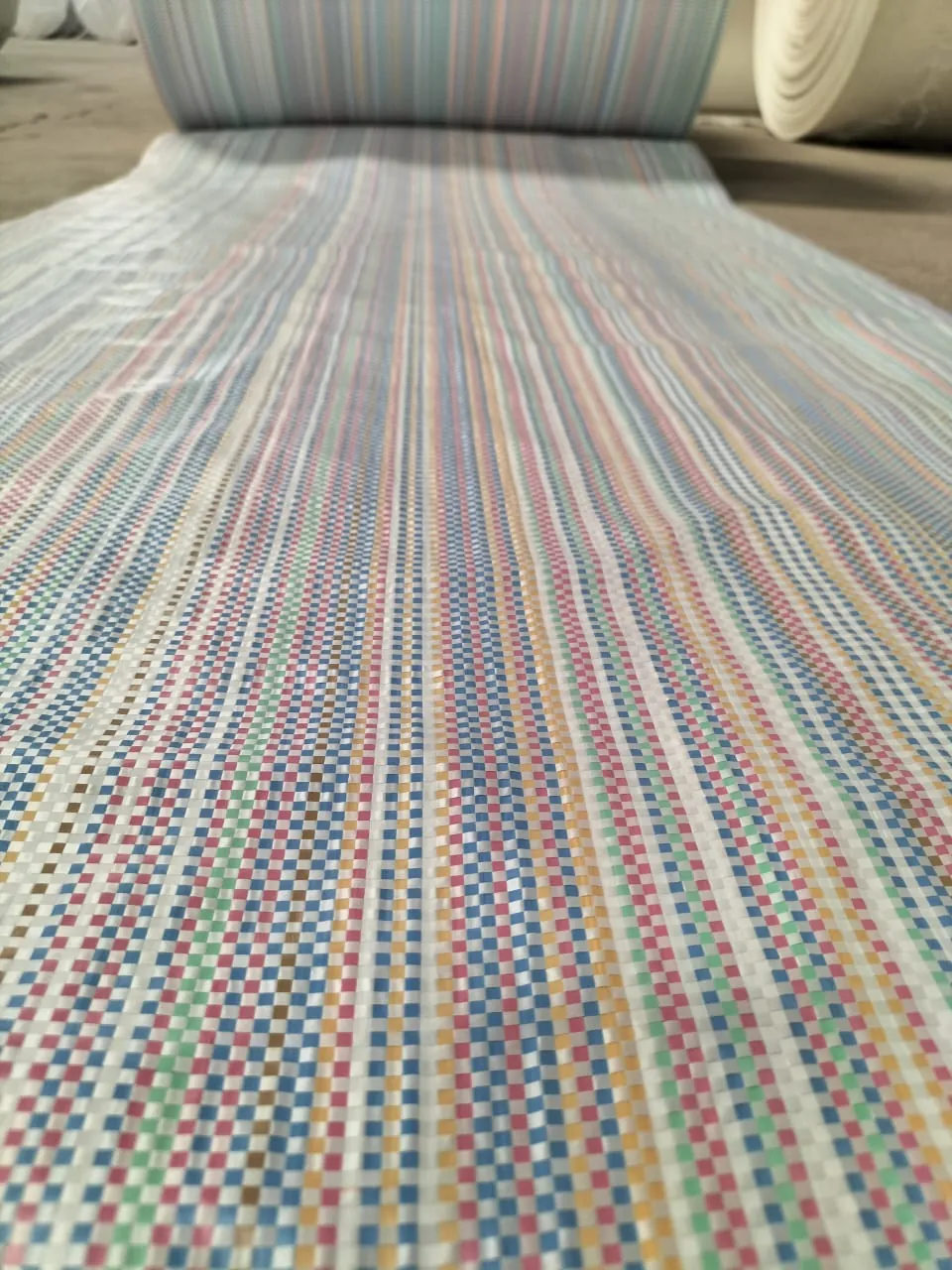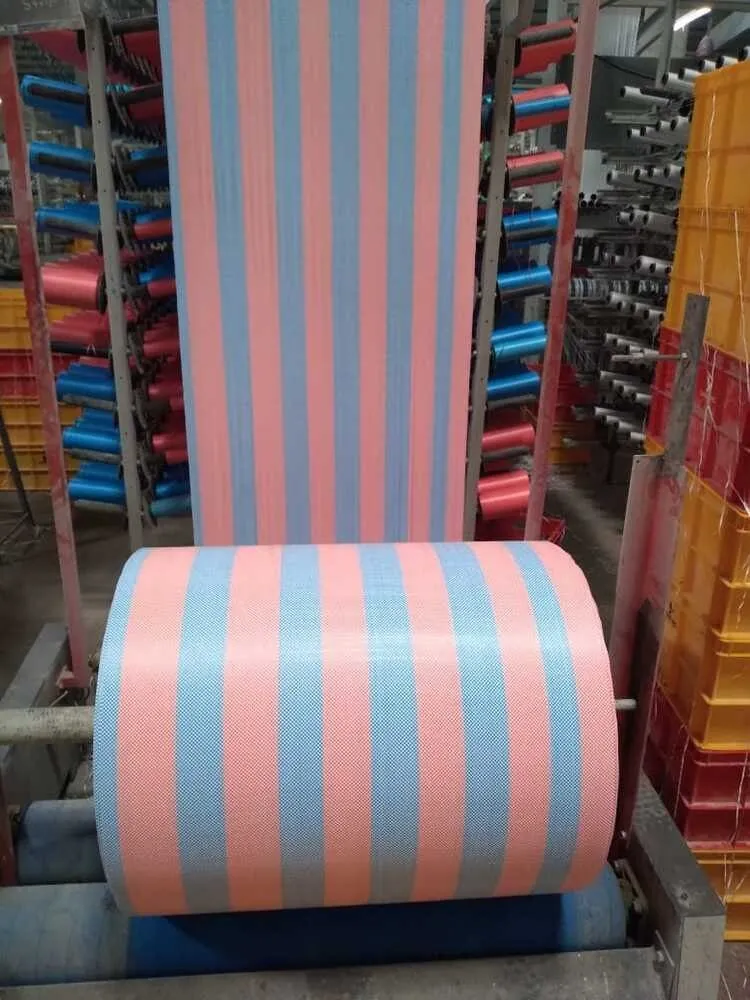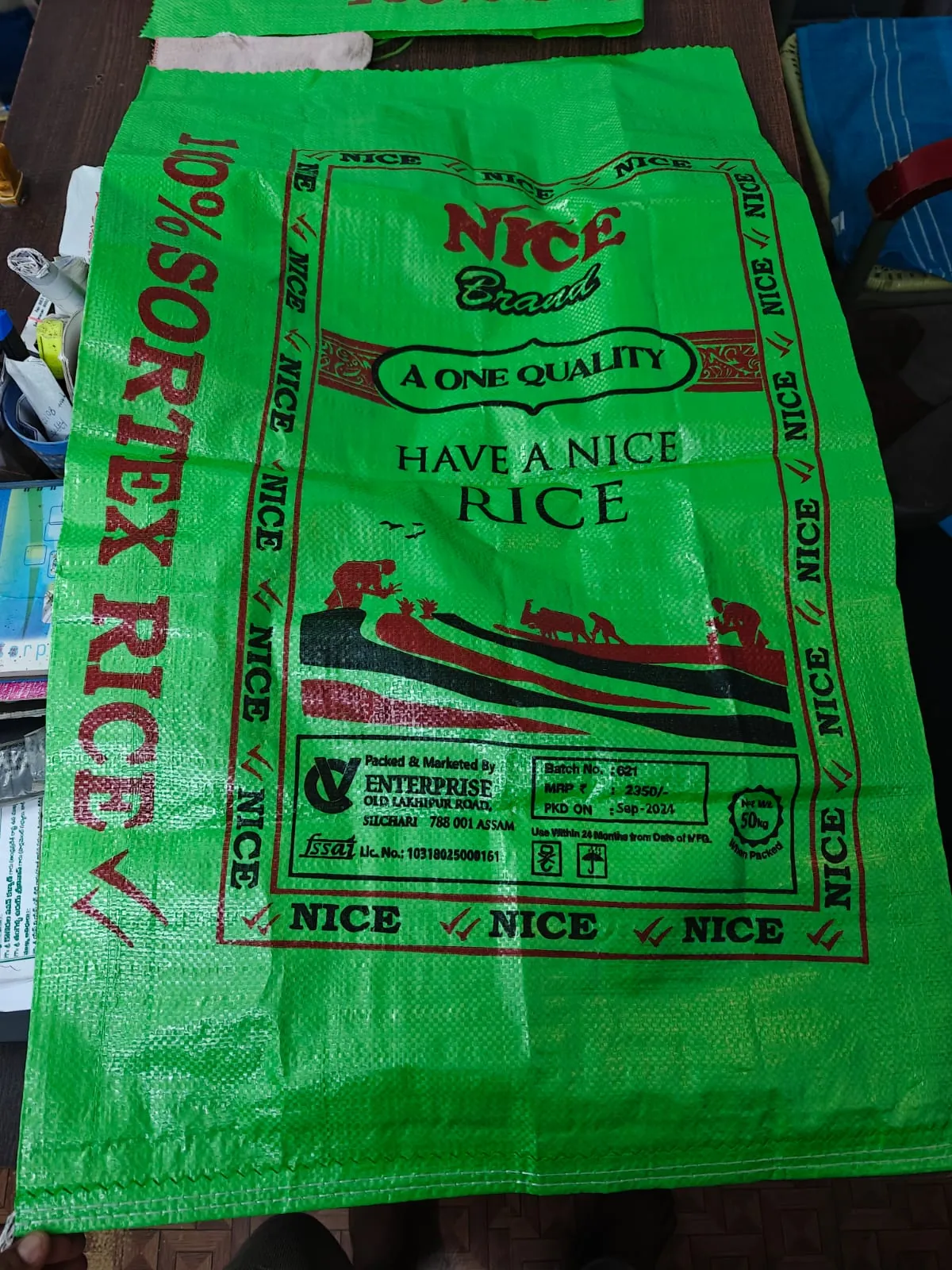
Inside a warehouse or 3PL operation, a sack is not disposable packaging - it is a returnable asset candidate. The same PP woven bag can move cargo, come back, and move cargo again; whether that pays depends on reuse discipline, storage practice and honest cost-per-trip arithmetic. This guide covers the warehouse-side economics that exporters and 3PL operators should run.
The Cost-per-Trip Logic
Single-use thinking prices a bag once. Asset thinking prices it per trip: purchase price divided by expected trips, plus handling and inspection cost per cycle, minus the avoided purchase of new bags. A sack that costs somewhat more upfront but survives five or six cycles often beats cheap sacks bought repeatedly - provided the reuse system actually works: return logistics, cleaning, inspection and re-stitching where needed. The construction side of durability follows the capacity framework and the seam durability points in the seaming guide.
Storage Discipline Preserves the Asset
Warehouse practice decides how many trips a sack survives: covered storage or UV package for yard dwell per the UV guide; stack height matched to fabric spec so bottom bags do not compress-set; dry floors and pallet separation against moisture per the moisture guide; and pest-free storage for food-adjacent cargo per the hygiene expectations in the compliance guide.
Reuse Operations in Practice
- Inspect between cycles: seams, fabric tears, print legibility; retire marginal sacks before they fail loaded.
- Clean or shake-out between food and chemical uses - never share sacks across incompatible cargo, per the cross-contamination caution in the chemicals guide.
- Track sacks with lot or numbering where return systems are formal; untracked assets vanish.
- 3PL contracts should state who owns, cleans and replaces sacks - asset ambiguity is the classic 3PL dispute.
Frequently Asked Questions
How many trips can a quality PP sack survive?
Depends on load, handling and storage - well-treated sacks in gentle systems cycle several times; harsh systems consume them in one or two. Trial and count rather than assume.
Do reused sacks hurt brand image?
For branded retail, yes - consumer packs stay single-use; reuse belongs in industrial and closed-loop flows where appearance standards differ.
Is reuse sustainable?
Where return logistics are real, per-use footprint drops materially - the sustainability framing is in the recyclability guide; where returns are imaginary, the claim is too.
Siddhii Global builds reuse-grade sack constructions and works with warehouse operators on spec-to-cycle matching from Kalol, Ahmedabad. Describe your flow and cycle pattern for an asset-grade sack quote.
Starting a Reuse Program - First Steps
Operators introducing reuse should sequence it deliberately: pick one closed-loop flow where returns are guaranteed - a fixed warehouse-to-plant shuttle beats open distribution; specify the sack one grade stronger than single-use needs, per the capacity framework and the seam durability in the seaming guide; write the cycle protocol - inspect, clean, re-stitch, retire - into the 3PL contract; and count trips honestly for the first quarter to get real numbers for the cost-per-trip model. The program either proves itself in the data or stops before losses accumulate. Asset tracking, even simple numbering, separates working programs from those where sacks quietly disappear - a small administrative step that protects the entire economics.