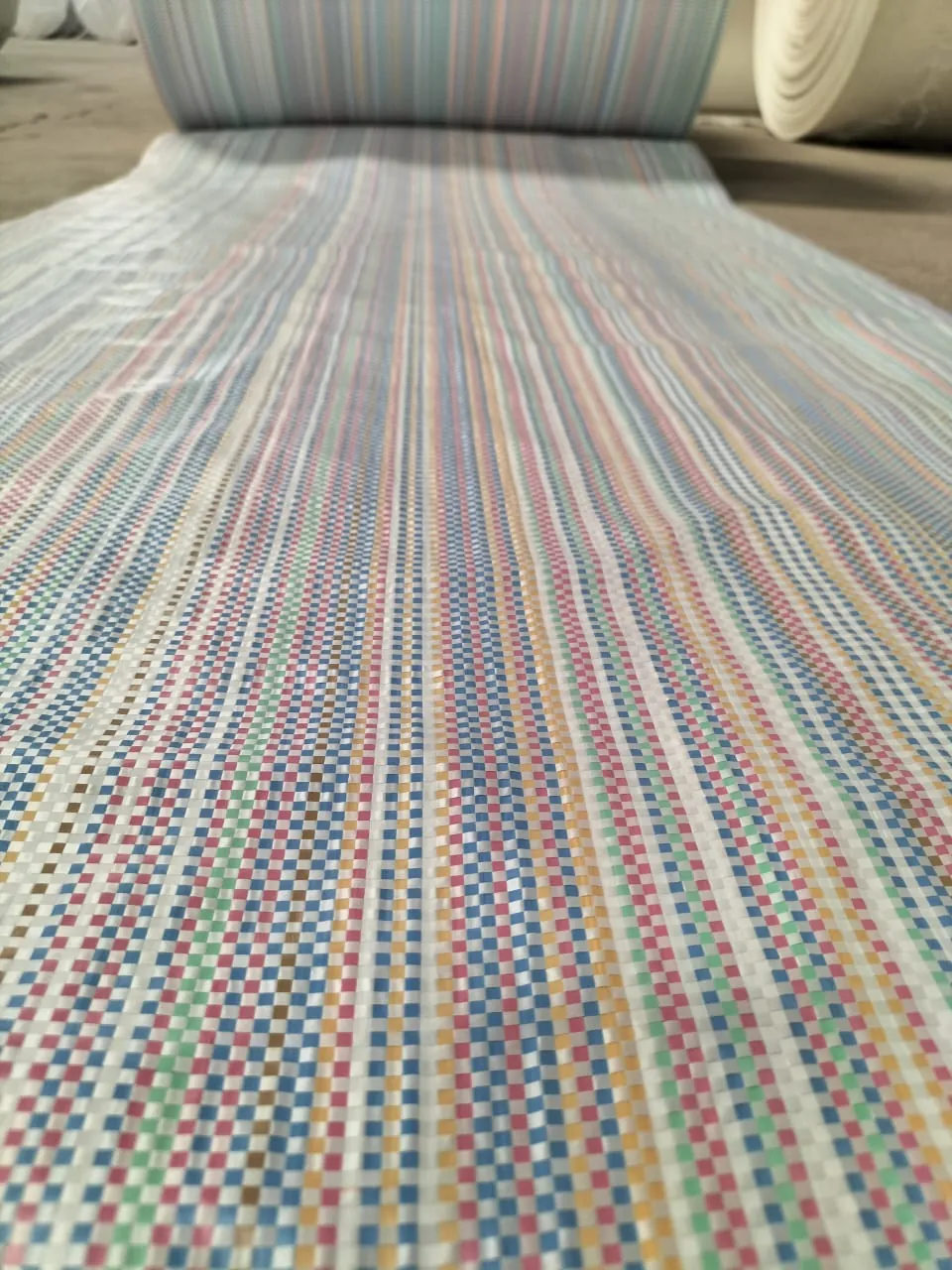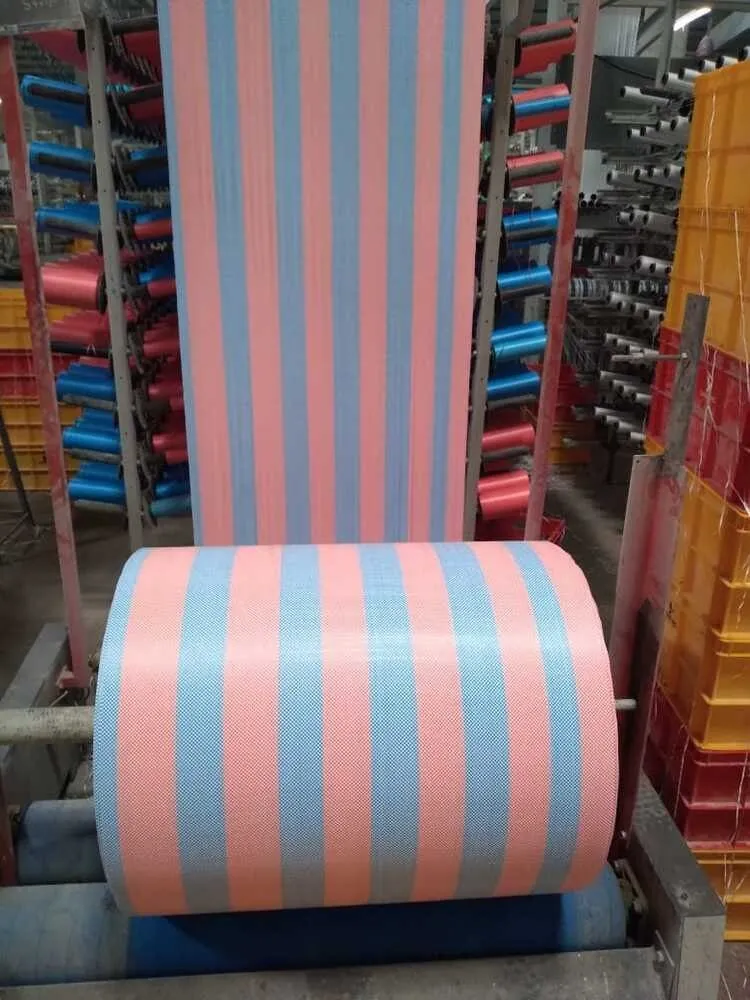
Chemicals and minerals punish ordinary packaging: corrosive salts attack weak fabrics, fine powders sift through seams, dusty products carry static, and regulatory expectations rise every year. Woven bags can handle this duty well - when resin choice, liners, static management and documentation are specified deliberately. This guide covers the four pillars for chemical and mineral packing.
Resin Compatibility First
HDPE tolerates a broad range of salts, alkalis and many agrochemical environments better than most packaging plastics - which is why chemical-grade sacks often specify HDPE fabric, per the resin comparison in the HDPE guide. But compatibility is chemical-specific: confirm your product against the fabric and any contact layers before bulk, using supplier data or a filled-sample trial. Never assume - some solvents and oxidisers demand different answers.
Liners and Containment
Fine minerals and powders bring two problems: moisture and sifting. Liners solve both inside the bag - vapour barrier and sift containment in one layer - with thickness matched to particle sharpness; liner selection follows the liner guide and seam containment fixes sit in the sifting guide. Static-prone powders add the anti-static dimension - conductive or static-dissipative liner options are covered in the anti-static guide, and bulk-scale chemical duty extends to FIBC with their own standards.
Compliance and Documentation
Chemical packaging carries obligations beyond the bag: labelling, transport rules for dangerous goods where applicable, and food or feed chain rules when cargo touches those industries. Requirements vary by market and product classification - verify current rules for your category and keep supplier documentation in the file; the documentation habit is built into our import documentation guide. For export buyers, pre-shipment verification of construction against agreed spec is standard practice per the inspection checklist.
Specification Checklist
- Product chemistry and concentration disclosed to the supplier.
- Resin choice justified - HDPE where environment demands, PP where print and economics rule.
- Liner material, thickness and static class confirmed for the powder.
- Seam and closure design for sift containment.
- UV package for outdoor storage per the UV guide.
Frequently Asked Questions
Are woven bags allowed for dangerous goods?
Depends on classification and market - some classes permit tested inner packaging within outer bags; verify against current transport rules rather than assuming either way.
Do I need anti-static bags for all powders?
No - assess dust cloud risk and handling environment; the anti-static guide explains when the extra specification earns its cost.
Can the same bag serve multiple chemicals?
Shared bags risk cross-contamination and compatibility surprises; dedicated specs per chemical family are the professional default.
Siddhii Global packs chemical and mineral cargo into HDPE and PP constructions with liners and documentation from Kalol, Ahmedabad. Disclose the product profile and we will propose a compliant construction.