Sugar is one of the hardest commodities to pack well: it is heavy, hygroscopic, abrasive to equipment and instantly damaged by humidity - a damp sack means caked product at the bottom of every pallet. Sugar mills therefore run some of the most demanding woven sack specifications in the industry, and getting that spec right protects both product and packing-line uptime.
The Standard Mill Construction
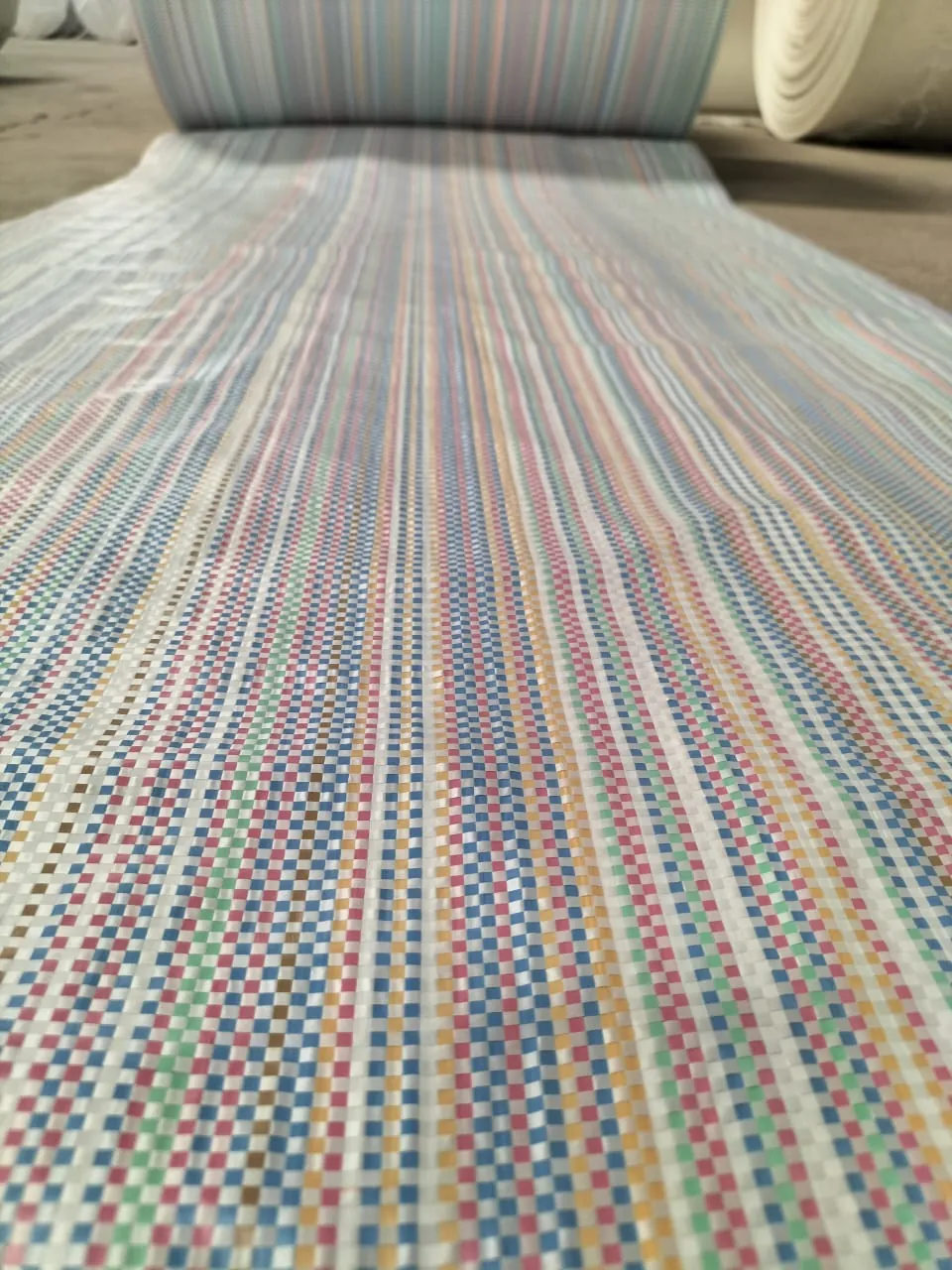
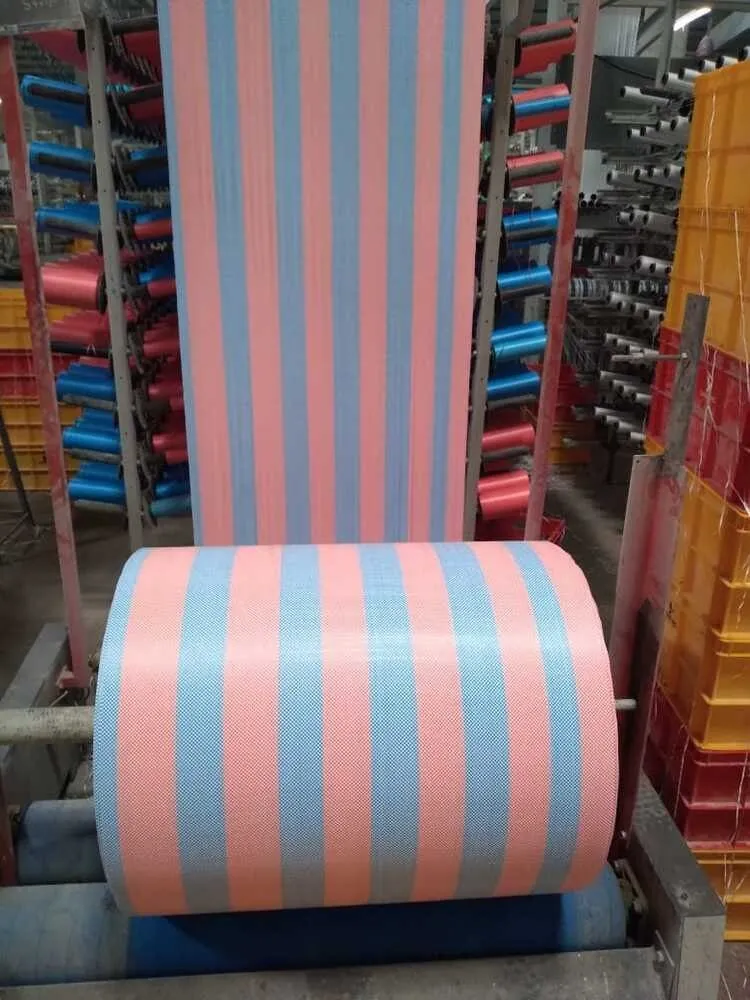
Mills typically pack 50 kg open-mouth sacks on high-speed lines, which pushes three requirements: consistent fabric so filling machines run without breakage, seams strong enough for drop and stacking, and a moisture strategy that keeps sugar free-flowing to the last kilogram. Laminated fabric or laminated fabric with an inner PE liner is common for export and long-storage lots, following the logic in our moisture guide. Capacity matching is in the weight capacity chart.
Hygiene and Contamination Control
Sugar packs a food product, so construction and cleanliness matter: clean virgin material, controlled dust and fibre shedding, and seam designs that keep fine crystals inside. Sifting at seams is the classic complaint when bags are under-specified; the fixes - seam design, liner use and QC - are detailed in the sifting-proof guide. Mills that also pack for food-brand customers should read the compliance requirements in the food-grade sacks guide.
Print, Grades and Traceability
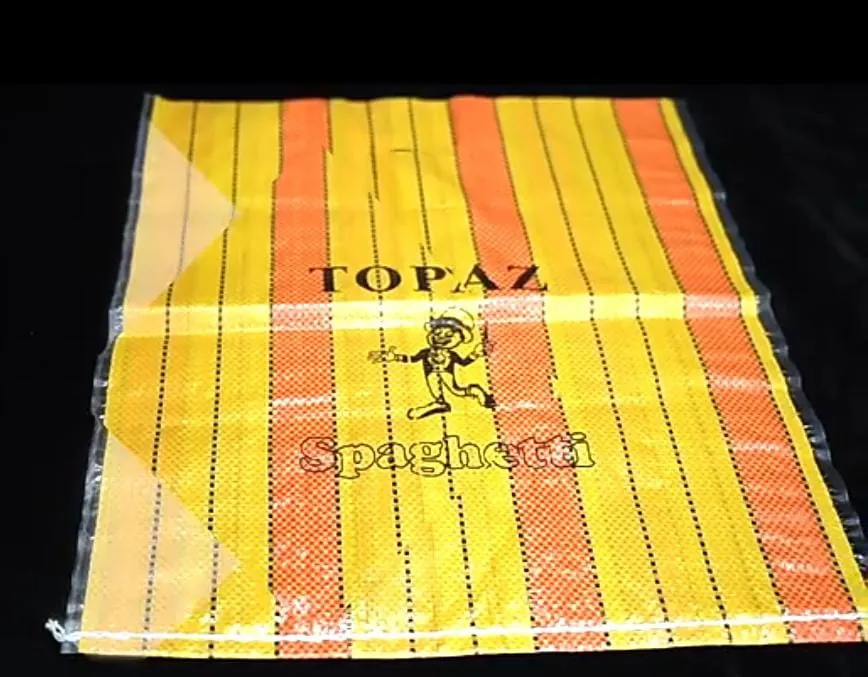
Mills run many SKUs - levy, export, mill brand - often through the same line. Flexo print with clear grade panels keeps changeovers cheap, while branded export lots justify better print quality per the printing guide. Lot and date fields on print support traceability when consignments are sampled at every transfer point.
Buying at Mill Volume
At mill consumption, sacks are a procurement line item with real leverage: contract GSM and seam spec, agree a QC protocol per lot, and schedule deliveries against packing plans so bag stock never stops the line. A written pre-shipment inspection protocol - the kind in our inspection checklist - protects both sides, and container planning for coastal movement follows the loading math guide.
- Fix fabric GSM, tape class and seam spec in the annual contract.
- Insist on batch QC records with every truckload.
- Keep a liner-ready bag design so liners can be added for monsoon or export lots.
- Use UV package only where yards demand it - indoor mills can skip the cost per the UV guide.
Frequently Asked Questions
Do sugar sacks need lamination?
For dry inland movement quickly consumed, unlaminated weave has served for decades; for humid ports, monsoon storage or export voyages, lamination or lamination plus liner is the safer call.
Can the same sack serve sugar and other products?
Physically yes, but food hygiene and traceability favour dedicated stock for sugar; running one spec for multiple cargos invites cross-contamination questions.
What reduces bag breakage on fast fillers?
Consistent fabric width and GSM, correct bag length for the filler, and seams matched to line shock - audit these before blaming the machine.
Siddhii Global manufactures mill-grade PP woven sacks at Kalol, Ahmedabad with batch QC documentation. Share your filler speed and storage conditions for a specification-backed quote.