Maize, pulses and oilseeds move in enormous volumes from farms to mills to export yards, and the humble woven sack is the interface every kilogram passes through. Choosing sacks for this trade is a balance: protect the grain from moisture and pests, let it breathe enough to avoid stewing in its own humidity, keep cost per bag low enough for commodity economics, and survive rough multi-handling between yard, truck and warehouse.
Size and Construction Norms
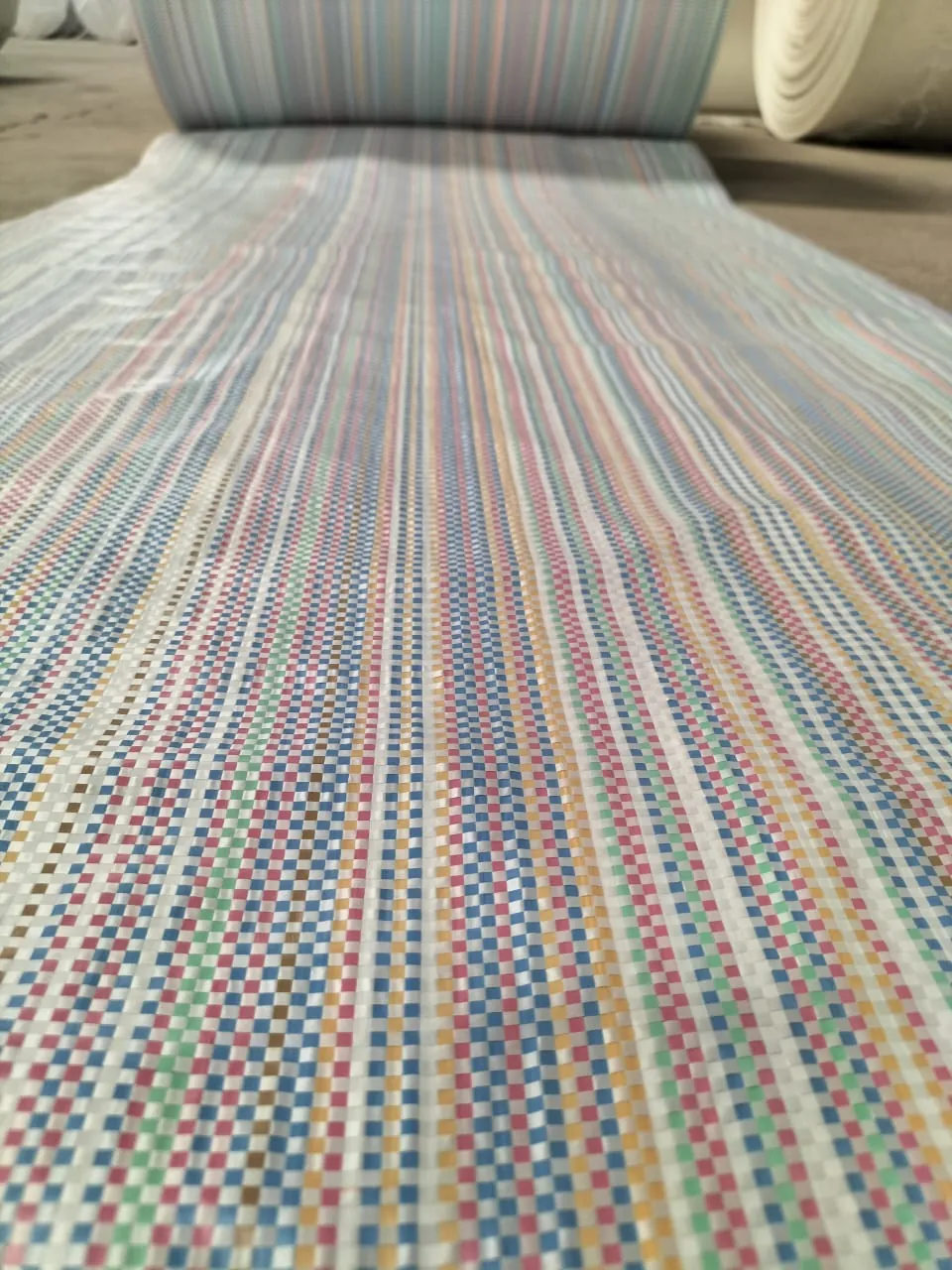
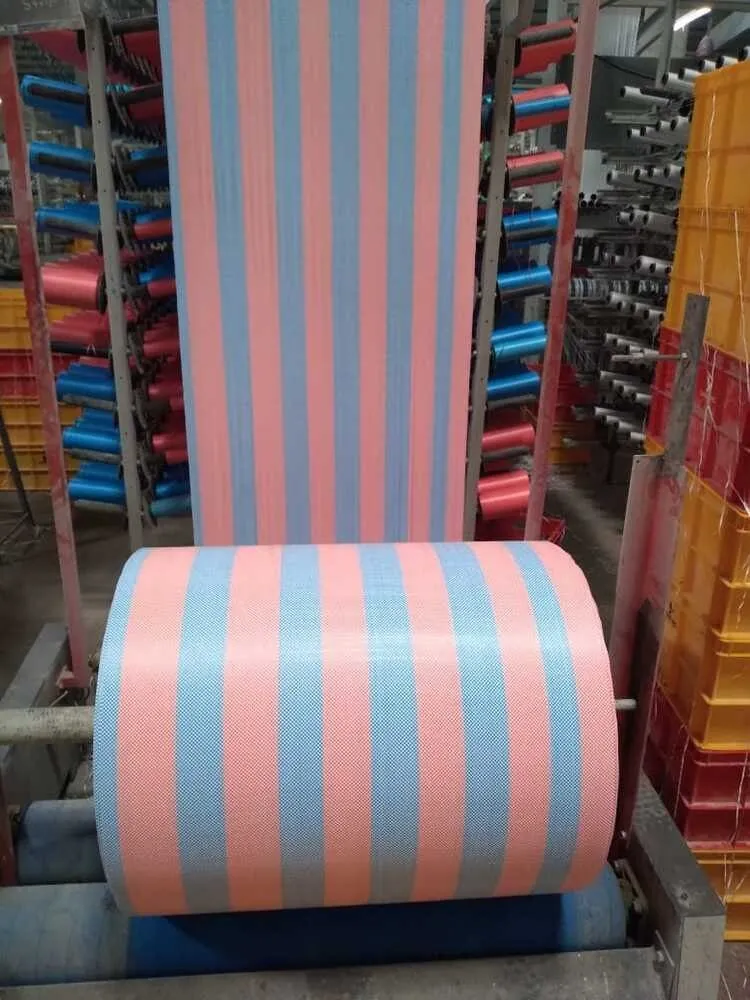
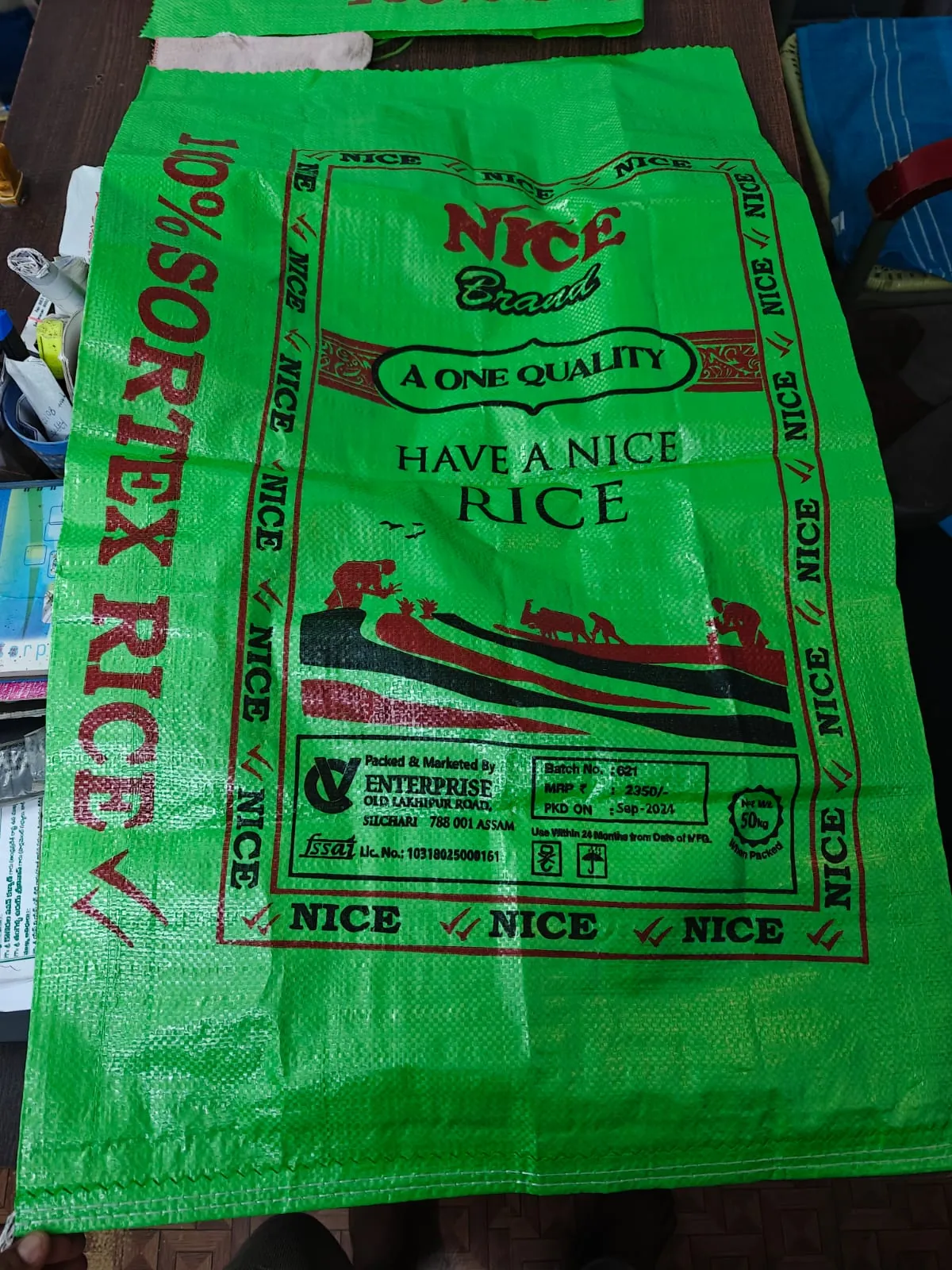
The trade has settled on familiar formats: mid-weight sacks around 25 to 50 kg for wholesale movement, and lighter retail packs for consumer brands. Open-mouth woven sacks with bottom stitch dominate, since filling is fast and manual or semi-automatic lines are common at mandi-adjacent packers. Fabric selection follows load - our capacity chart maps GSM and seams to fill weight - with breathable unlaminated weave preferred for dry grain moving quickly, and lamination or liners entering the picture for damp seasons and long storage.
The Moisture and Ventilation Balance
Grain stored or shipped warm risks condensation inside the stack. Open weave lets the stack breathe but admits rain and dust; lamination seals against weather but traps residual moisture unless the grain is conditioned before packing. Practical answers used across the trade include packing only conditioned grain, using perforated constructions for produce-like cargo, and liners for export lots crossing humid equatorial waters - the decision logic is the same as in our moisture control guide, and perforation options appear in the perforated sacks guide.
Handling Realities in the Agri Chain
Agri sacks meet the roughest handling in packaging: hooks, dragging, outdoor yards and repeated re-stitching when opened for sampling. Stitch quality and fabric tear resistance decide whether a sack survives one trip or five. Reuse is a real economic factor - many mandi traders prefer stronger fabric at a slightly higher price because the sack cycles two or three times. Warehousing practice, stacking discipline and pallet behaviour are covered in our warehousing guide.
- Specify double-fold bottom seams for multi-trip sacks.
- Ask for UV package if sacks sit in open yards - see the UV guide.
- Print crop name, weight and lot fields for traceability; flexo handles this cheaply per the printing guide.
Frequently Asked Questions
Are woven sacks food safe for grains?
Food-grade construction - clean virgin material and compliant processes - is available for direct food contact; compliance requirements are summarised in the food-grade sacks guide.
What bag size suits pulses best?
Trade practice clusters around the mid-range wholesale sack; retail consumer brands use smaller packs with better print. Match construction to your channel rather than copying a neighbour.
Should oilseeds use liners?
Oil-bearing seeds are sensitive to humidity and odour; for long storage or export, liners pay for themselves, while quick domestic movement may not need them.
Siddhii Global supplies agri-trade sacks across India and to export buyers from Kalol, Ahmedabad. Tell us the crop, route and handling and we will match construction to your chain.