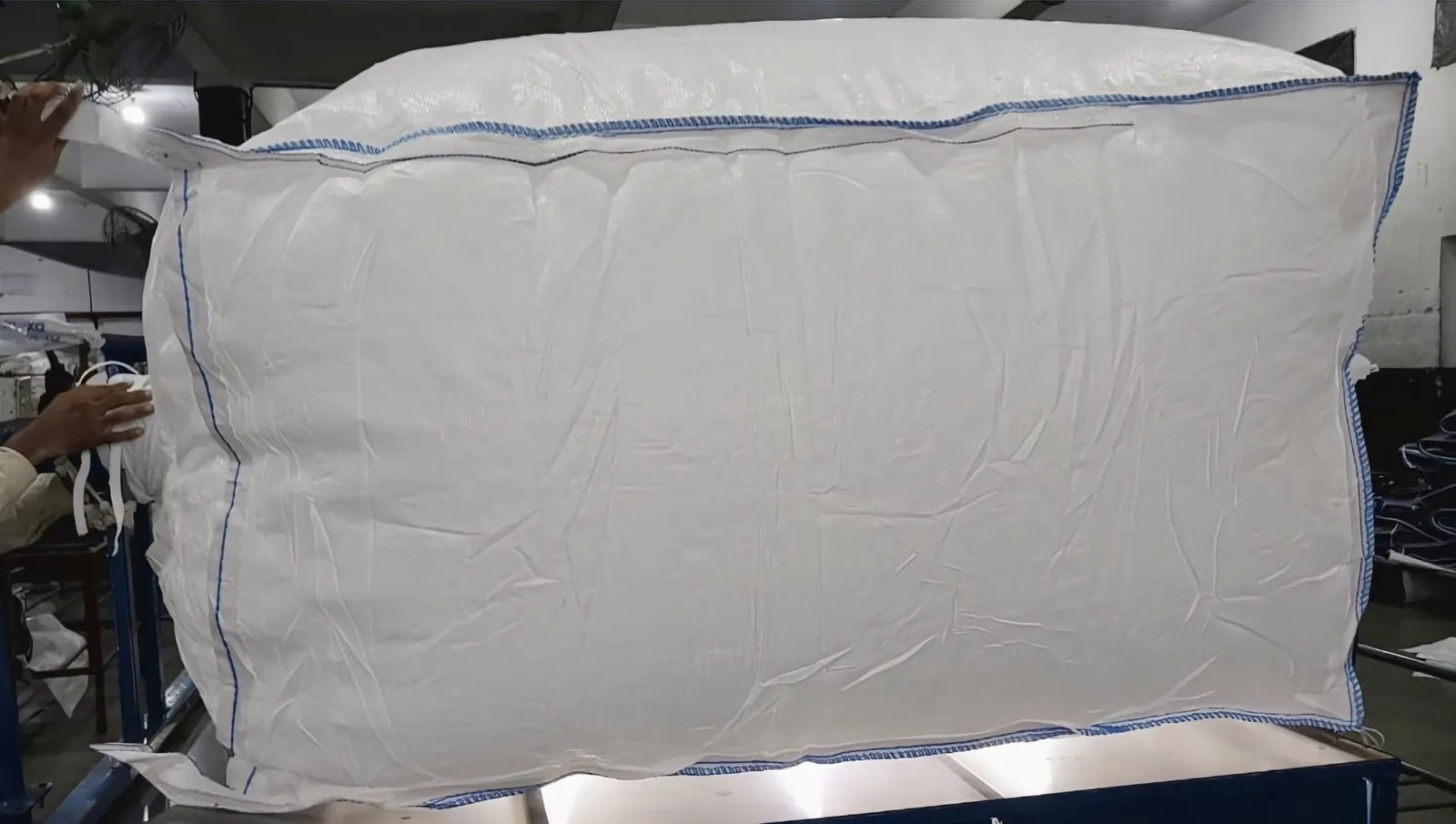
British buyers call them bulk bags, tonne bags or dumpy bags depending on which yard they learned the trade in, but the specification conversation is the same everywhere from Warrington to Ipswich: a 1-tonne bag that fills fast, stacks clean and discharges without clumping. Construction merchants order them by the pallet for sand and gravel, waste contractors burn through thousands for skips-side segregation, and agricultural merchants move seed and fertiliser in lined versions. Importing them from India is a well-worn route, and the arithmetic usually lands far below domestic UK pricing even after duty and freight.
Classification, duty and the paperwork HMRC expects
FIBC bags of polypropylene tape classify under HS 6305.33, and the UK Global Tariff rate on that heading sits in the low single digits — your broker will confirm the exact percentage for the current tariff schedule, since rates do get reviewed. On top of that comes import VAT at 20%, recoverable for VAT-registered businesses. Your side needs an EORI number before the shipment sails, and our side supplies the commercial invoice, packing list, bill of lading and certificate of origin as standard. If your end customer is in packaging or waste, the conversation about packaging EPR obligations stays between you and your compliance scheme; our obligation is a clean, accurately described customs set, which we get right because we export these every week.
Ports, transit and realistic lead times
Three ports handle most of this traffic: Felixstowe for the east coast, London Gateway for the Thames corridor and Southampton for the south and west. Direct services from Mundra run about 18 to 24 days to the UK, and we quote FOB Mundra or CIF UK port depending on who controls freight. Full production of a new order takes about three weeks, so a sensible planning window from purchase order to UK warehouse is five to six weeks. Repeat call-offs against a held price agreement run faster because capacity is already reserved.
What UK buyers check before the first big order
Merchants who have been burned by a collapsed pallet of dumpy bags get specific fast. We send pre-production samples so your team can do the drop test on their own yard, and every production batch carries top lift, seam and drop test results with retained samples behind them. For waste and recycling applications we recommend a heavier base panel and optional coated fabric because skip-side handling is harder on bags than any warehouse conveyor. Print is up to four colours with your brand and bag weight marking, which keeps the merchant's counter staff honest about what is inside each stack.
Frequently Asked Questions
What MOQ works for a first UK order?
500 pieces for standard unprinted bags and 1,000 for printed versions — one 40 foot container of the standard spec holds 5,000 to 7,000 bags, so many merchants start at half a container.
Is the duty high enough to worry about?
No — woven polypropylene sacks sit in a low single-digit band under the UK Global Tariff, and the landed cost still undercuts most domestic supply even after freight and VAT.
Do the bags need UKCA marking?
No, FIBC transport packaging is not a UKCA-marked product; what matters commercially is the test certificate pack, which we supply per batch.
Can you hold UK stock for us?
We do not run UK warehousing, but quarterly call-offs against a fixed agreement get you effectively the same continuity, and reserved production slots shorten repeat lead times.
SWL charts and liner options are on the PP Jumbo Bags (FIBC) page. For UN-certified requirements read the UN certified FIBC guide, and for the buying-process checklist see how to verify an Indian FIBC supplier before ordering.