India exports FIBC bags from hundreds of factories, and the distance between the good ones and the rest is not visible on a website or a trade-fair stand — it shows up in a torn loop at a customer's site eight months later. Buyers who verify suppliers properly rarely have that experience. We run our own plant in Kalol, Gujarat, we have been audited by customers on four continents, and this checklist is what we would use if we were buying FIBCs instead of making them.
Documents before anything else
Start with paper because it is cheap to check and expensive to fake: company registration and import-export licence, GST registration (a factory without GST is not exporting anything), ISO 9001 certificate — verify the certificate number against the certification body's register, because forged ISO certificates exist. For hazardous-duty purchases, the UN certification for the specific bag design (UN 13H marking with the design tested by a notified body) is non-negotiable. Food-grade and clean-bag claims need the production-area segregation documented, not just claimed. Then ask for three recent third-party test reports — SWL and safety factor testing, UV exposure, and top-lift — from an accredited lab. A factory that produces these in a day passes the first filter; one that goes quiet for a week has told you something.
The factory audit walk-through
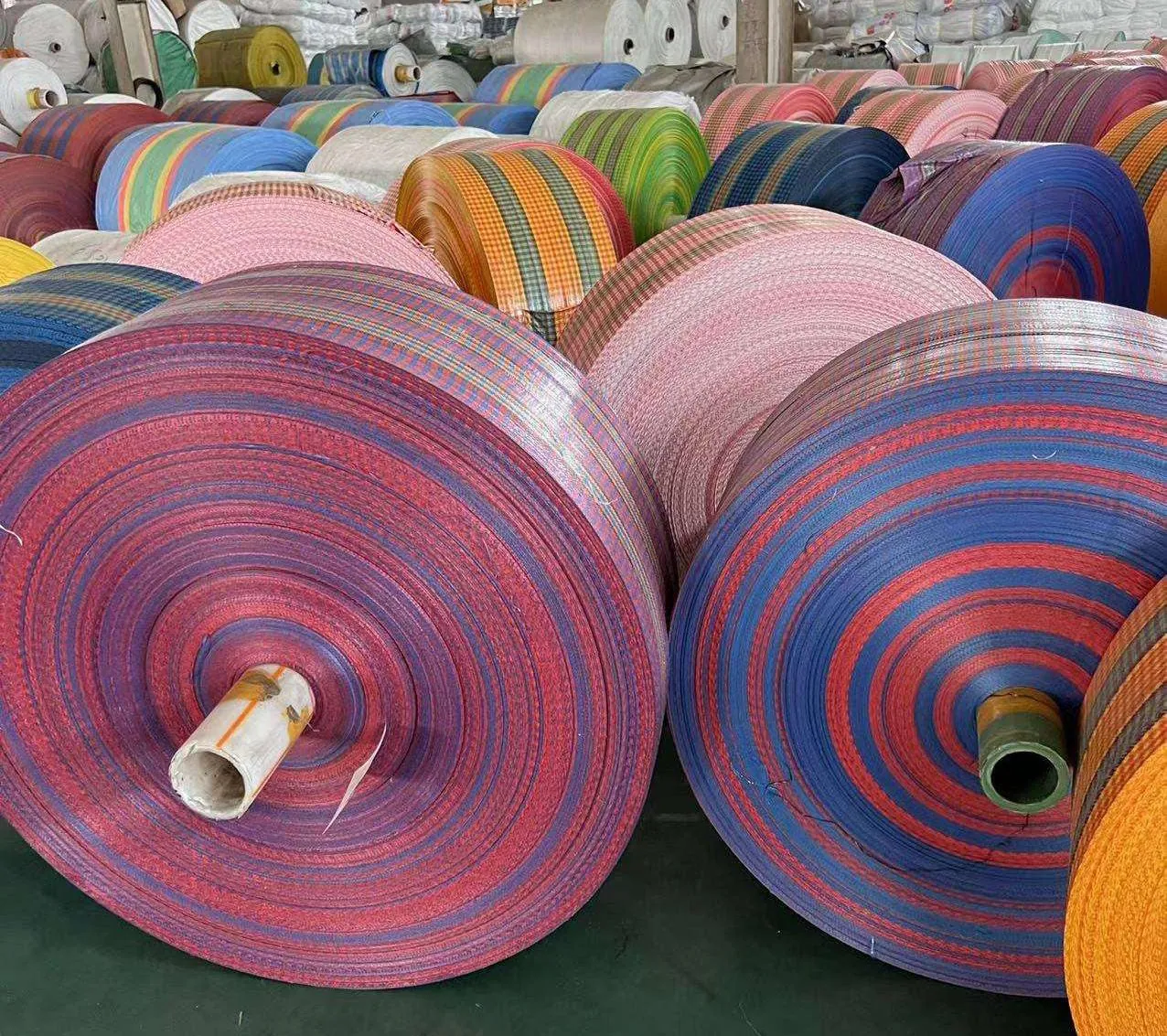
Walk the line in process order and watch for specific things. Tape extrusion: ask how many tape lines run and whether rework resin is segregated and disclosed — recycled content is legitimate when declared and a fraud when hidden. Weaving: count circular looms and note their widths, because loom count is capacity truth and a "factory" with four looms cannot serve a container program reliably. Lifting loops and webbing should be woven in-house or from a named long-term supplier; outsourced webbing of unknown origin is where loop failures breed. Stitching: check machine count and ask about stitch patterns per spec (chain stitch bottoms, lock stitch where specified) and needle-break policies. Clean-bag areas: a genuine food-grade or clean-bag line is a separated, positively-ventilated space with garment discipline — if the "clean room" is a corner with a sign, walk out. Finally the QC lab, the tell of every factory: it needs a tensile tester, UV exposure chamber, and drop-test capability, with staff who can run a test while you watch. No in-house lab means every certificate they ever showed you came from somewhere else, occasionally.
Sample testing protocol
Run samples through a simple protocol before any award: verify fabric weight against spec (cut and weigh — GSM honesty is the oldest fraud in the trade), top-lift test to 5:1 or 6:1 of SWL at an independent lab, UV test report matching the claimed treatment level, and a real drop and handling test with your product density or a sand equivalent. Pay for the independent tests yourself even when the supplier offers — the $300 it costs is the cheapest insurance in this trade. Compare the received sample's weight to the invoiced spec weight; a 10% shortfall in GSM is a 10% discount on strength that no price advantage repays.
Red flags and remote audits
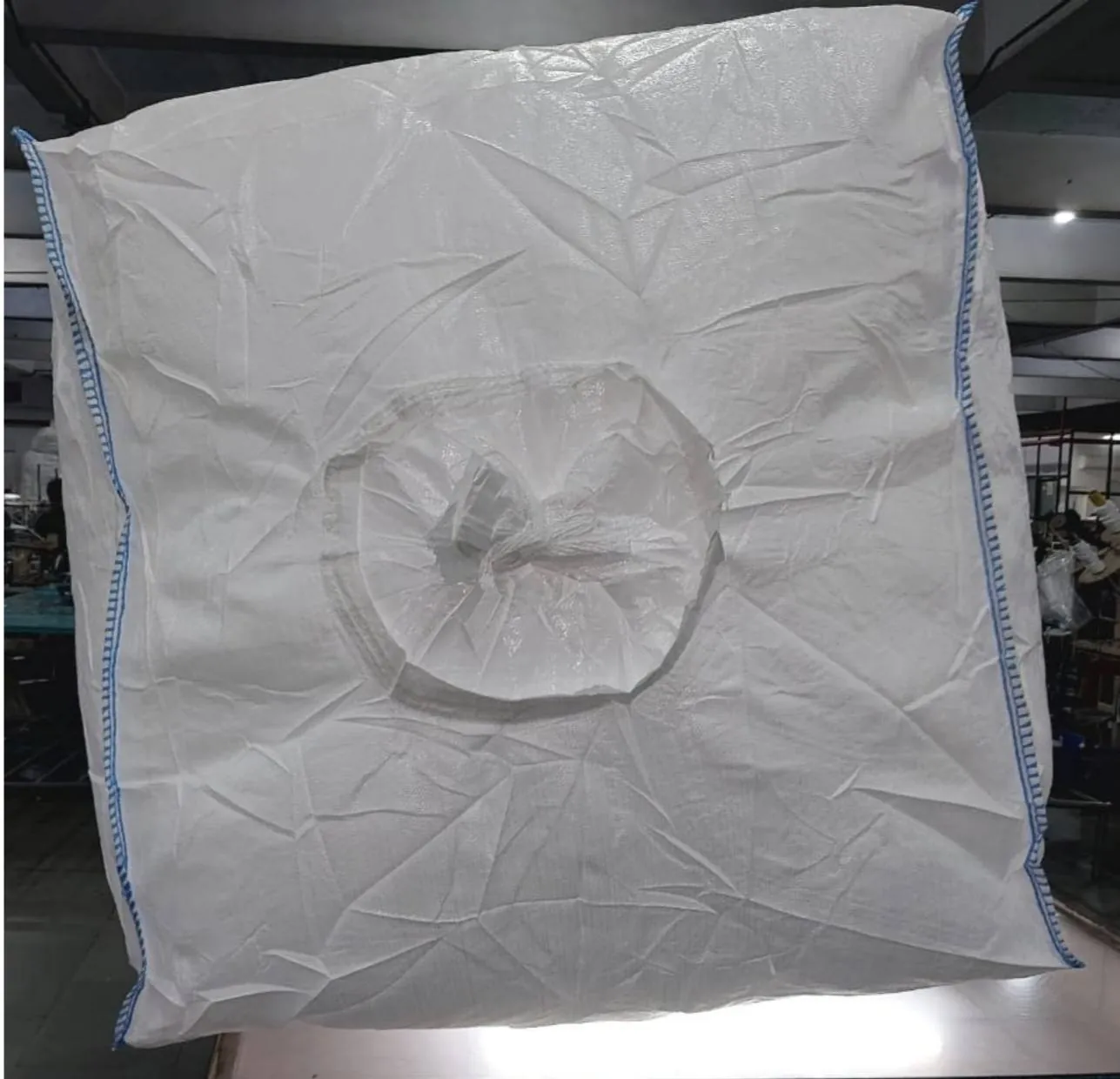
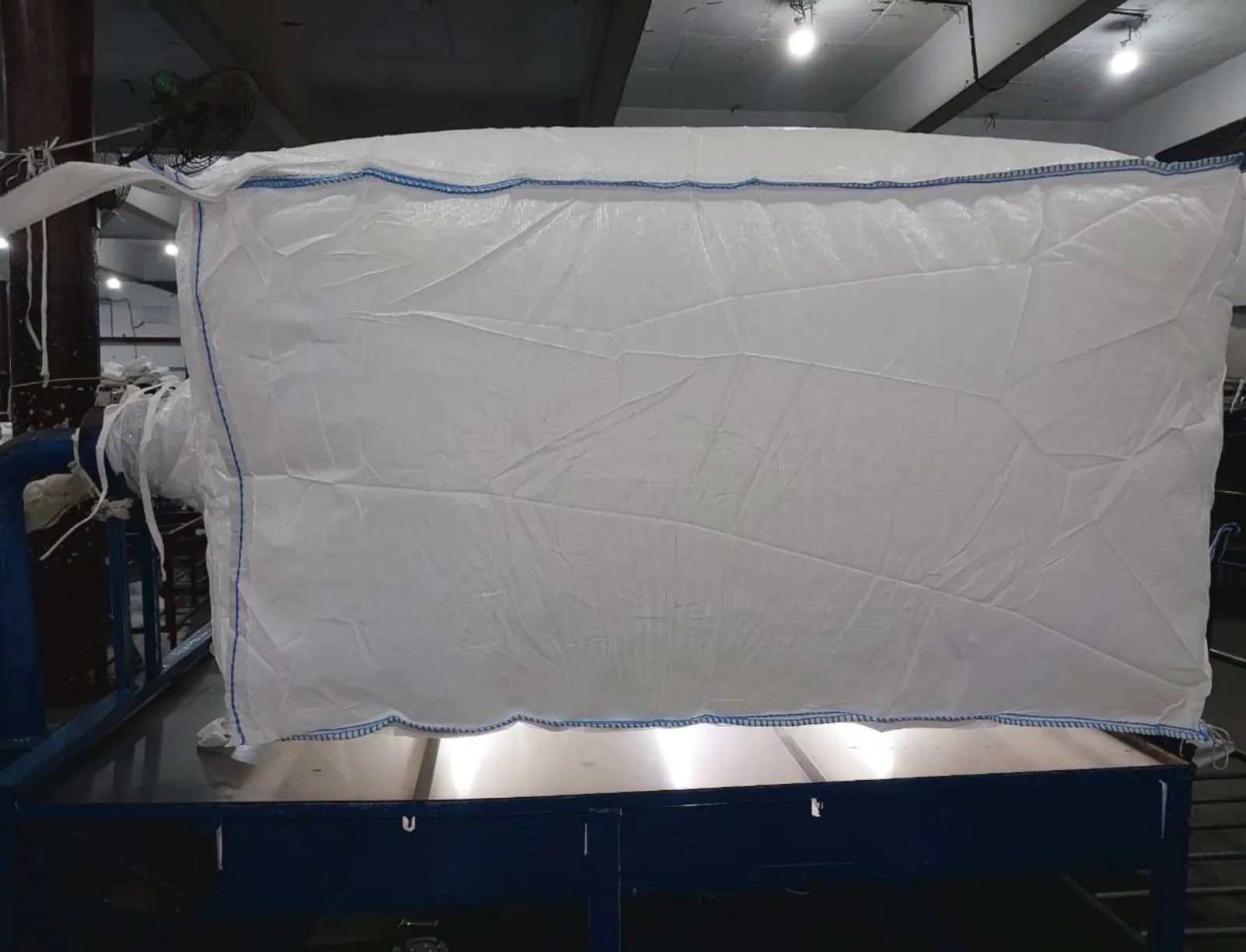
The classic red flags, collected from buyer war stories: prices dramatically under the market band (our guide on FIBC price drivers gives you the bands to compare against), refusal to allow factory visits or video audits, test reports that all come from the same generic PDF template, GSM that cannot be verified by weighing, and traders presenting themselves as manufacturers — ask for a video call from the production floor with the looms running; a real factory does this in five minutes, a trader needs a day to arrange a call back. When travel is not practical, structured remote audits work: a live video walk in process order, machine counts on camera, the QC lab running a live tensile test, and third-party inspection (SGS, Bureau Veritas or a local independent) for pre-shipment verification on the first three orders. Our own customers combine both — see the PP jumbo bag range and circular FIBC line for the products this process typically qualifies, and our container loading guide covers the logistics verification that completes the picture.
Frequently Asked Questions
Can I verify a supplier without visiting India?
Yes — a structured live video audit in process order (extrusion, looms, stitching, clean area, QC lab with a live test) plus independent lab testing of samples and third-party pre-shipment inspection covers most of what a physical visit reveals.
What is the single biggest red flag?
A price far below the market band. It is almost always GSM shortweight or undeclared rework resin — both verifiable in one afternoon by cutting and weighing a sample.
Do I need UN certification for my bags?
Only for hazardous goods packing — but if your product is hazardous, the design-specific UN certificate from a notified body is non-negotiable, and the marking must match the design you are buying.
How much should factory GSM vary from spec?
Within a tight window — beyond a few percent either way you are either paying for polymer you did not order or receiving less than you paid for. Cut-and-weigh on arrival keeps everyone honest.