Transporting bulk chemicals—whether it's fine chemical powders, fertilizers, or resins—is a high-stakes operation. A single packaging failure can lead to catastrophic chemical spills, plant fires, or severe environmental fines. Standard bulk bags simply cannot handle the risks associated with hazardous materials.
For the global chemical industry, UN Certified FIBC Bags are not just a preference; they are a legal mandate.
The Hidden Dangers in Chemical Bulk Packaging
When packing and moving chemical powders, three primary threats compromise safety:
Static Discharge (Sparks): When fine chemical powders rub against the walls of a standard bag during filling or emptying, it creates static electricity. If the chemical is flammable, a single spark can cause a massive explosion.
Chemical Corrosion: Highly acidic or alkaline chemicals can degrade standard woven plastics, causing the bag to burst under heavy weight.
Moisture Contamination: Many chemical powders (like certain resins or fertilizers) react violently with water or clump together, ruining the product.
How UN Certified FIBC Bags Solve Chemical Logistics
To combat these dangers, the United Nations has established rigorous testing standards. UN certified bags are engineered for specific hazards:
Type C FIBC Bags (Conductive): These bags are made with interwoven conductive threads that must be electrically grounded during filling and emptying. This safely eliminates static electricity, making them mandatory for flammable chemical environments.
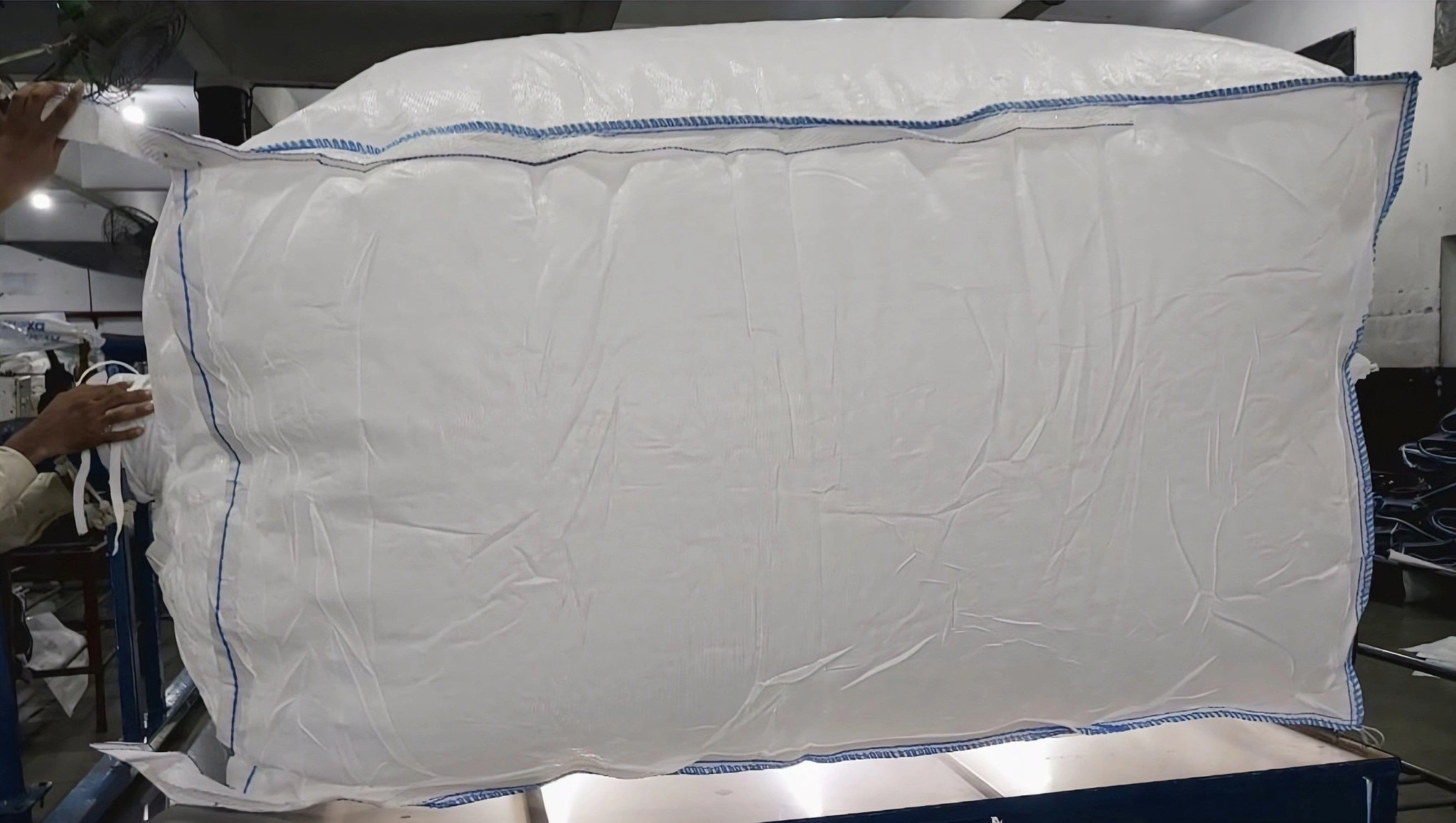
Chemical-Grade Lamination: FIBC bags with internal PE liners or BOPP lamination create a 100% moisture-proof and chemical-resistant barrier, preventing reactions with humidity.
Safety Factor 6:1: While standard bags have a 5:1 safety factor (single trip), UN hazardous bags require a 6:1 safety factor, meaning they are tested to hold 6 times their rated capacity, guaranteeing they won't rupture under heavy chemical loads.
Global Terminology for Chemical Bulk Bags
When sourcing hazardous material packaging, chemical procurement managers use specific regional terms:In Germany & Austria: Chemical plants search for "UN zertifizierte Big Bags", "Gefahrgut FIBC Säcke" (Dangerous goods FIBC bags), or "Type C Big Bags" for their strict European ADR regulations.
In France: Buyers source "Sacs FIBC certifiés ONU" or "Sacs pour produits chimiques dangereux" (Bags for dangerous chemicals).
In the USA: OSHA-compliant facilities demand "UN certified FIBC bags", "Conductive bulk bags", or "Hazardous material jumbo bags".
In the Middle East (UAE/Saudi): Petrochemical giants require "أكياس FIBC معتمدة من الأمم المتحدة" (UN certified FIBC bags) or "أكياس المواد الكيميائية" (Chemical bags) for their vast fertilizer and polymer industries.
In Brazil: Chemical exporters look for "Sacos FIBC certificados ONU" or "Big Bags para produtos químicos".
Key Applications in the Chemical Sector
Petrochemicals & Polymers
Transporting plastic resins and polymer powders where static discharge is a major fire hazard.Fertilizers & Agrochemicals
Moisture-proof FIBCs keep hygroscopic fertilizers (like Urea and NPK blends) dry and free-flowing during sea freight.Fine Chemicals & Pharmaceuticals
High-purity, cleanroom-grade FIBC bags with specialized liners that prevent contamination and moisture ingress.Siddhii Global: Your Partner for Certified Chemical Packaging
As a premier manufacturer based in Kalol, Gujarat, Siddhii Global produces UN Certified FIBC Bags tailored for the world's most demanding chemical industries. We offer:UN Certification Documentation: Full compliance paperwork for smooth customs clearance globally.
Type C (Conductive) Options: Engineered to prevent static fires in flammable environments.
Inner PE Liners: Inserted or attached liners for absolute moisture and chemical protection.
Internal Linking Opportunity:
Want to understand the structural differences in FIBC bags? Read our guide: [Why U Panel FIBC Bags Are the Global Standard for Bulk Shipping & Storage]Don't risk fines, fires, or product loss. Use certified packaging.
Need UN certified FIBC bags for chemicals?
Explore our FIBC Bag Range or contact us for a custom export quote!