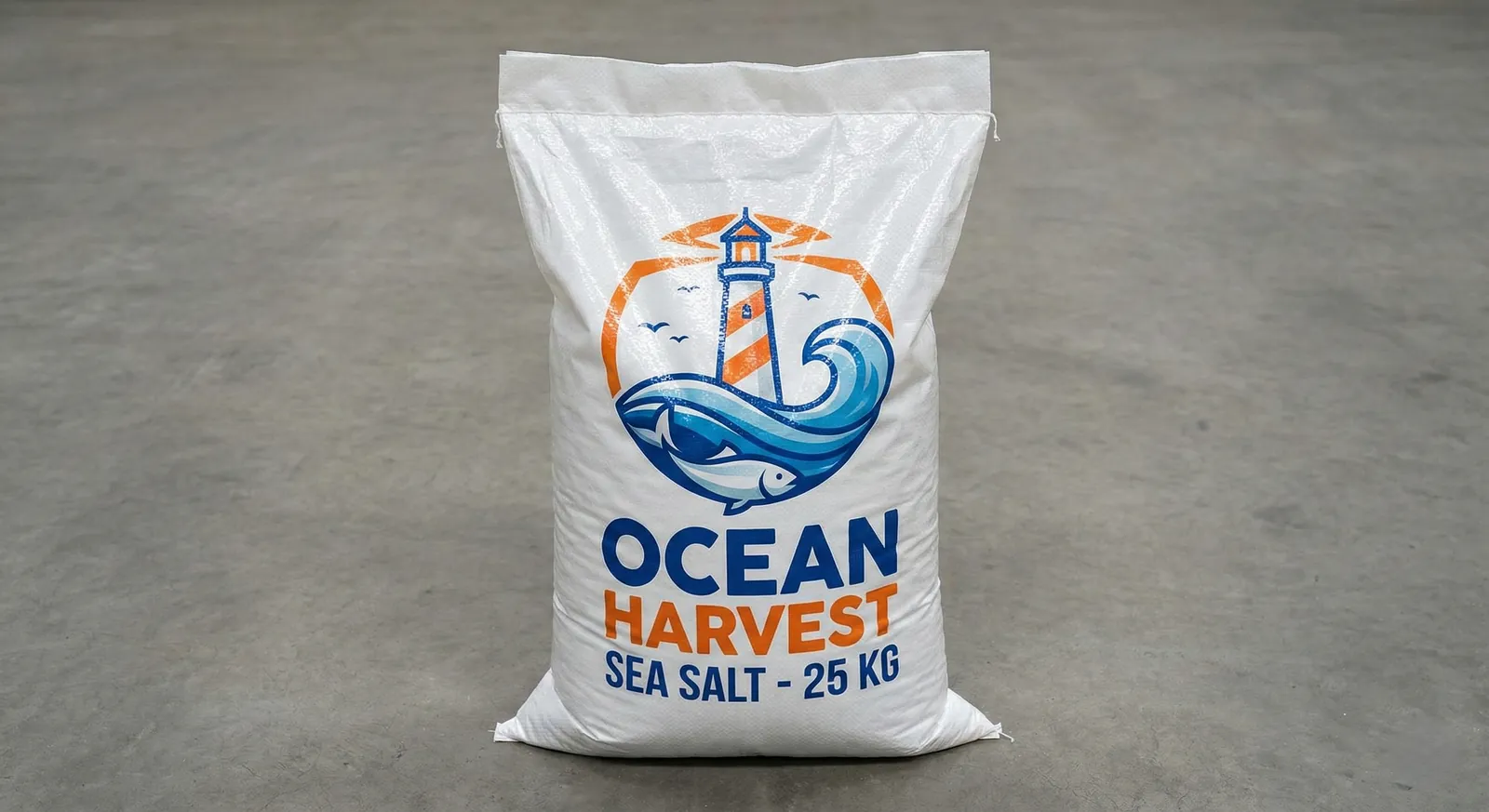
South African retail brands pay more attention to packaging duty than any market we serve, and BOPP laminated bags deserve that attention doubly: the laminate layer changes how customs can read the construction, and textile rates into South Africa run higher than most markets. The importers who get this category right settle classification first, model duty honestly, and structure print programme economics around cylinders. Here is the full path from an Indian BOPP plant to a South African shelf.
Classification and the duty conversation
BOPP laminated woven bags are woven polypropylene at core — fabric, laminate face, print — and the textile sack reading under HS 6305.33 is the defensible classification for most constructions. But South African tariff lines on textile goods carry meaningful duty, often double-digit, and some brokers argue heavily laminated retail bags toward plastics headings where rates differ. The order of operations matters: before quoting landed prices, have your clearing agent confirm the SARS line against the actual construction — we supply the material breakdown per layer to support the filing. Pre-check whether any ITAC import permit applies to your line; most woven sack constructions move without one, but the check is free and the surprise expensive. Import VAT on the duty-inclusive value applies and is recoverable for registered importers.
Print programme economics: cylinders and MOQ
BOPP print quality runs rotogravure — one engraved cylinder per colour, photographic results, protected under the laminate. Cylinders are one-time per design, and the smart South African structure is cylinder ownership with storage: your brand funds the designs, we hold the cylinders free between runs, and repeat containers skip engraving cost and time entirely. MOQs land around 10,000 to 20,000 pieces per design; multiple designs share one FCL, which is how maize meal, sugar and pet food brands run family programmes. Press proofs on real film and fabric precede every first run, and the signed standard governs colour on every repeat — the discipline that keeps a Durban shelf looking like the Johannesburg one.
Ports, documents and the calendar
Containers from Mundra reach Durban in roughly 20 to 28 days, with Cape Town serving the western trade. The document set: commercial invoice, packing list, bill of lading, certificate of origin, SAD 500 filed by your agent, plus the construction declarations supporting classification. First-order cycle: proofs and sampling 1 to 2 weeks, production 3 to 4 weeks, ocean and clearance 4 to 5 weeks — 8 to 10 weeks door to door. Repeats with held cylinders run 6 to 7 weeks, and South African retail calendars (December, Easter, braai season) reward ordering one cycle ahead of the spike.
Frequently Asked Questions
What duty will laminated bags attract?
Textile lines into South Africa often run double-digit duty and classification can vary with laminate weight — confirm the exact SARS line against our construction breakdown before pricing.
Do we need an ITAC permit?
Most woven sack constructions import without a permit, but ITAC administers permits on certain textile categories — a pre-check with your agent before ordering removes the risk.
How do cylinders affect repeat costs?
Cylinder engraving is one-time per design; with cylinders stored for your programme, repeat containers skip that cost and 1 to 2 weeks of lead time.
What is the realistic timeline to Johannesburg?
8 to 10 weeks door to door on a first order including proofs; 6 to 7 weeks on repeats, plus the Durban to Gauteng road leg of a few days.
Constructions and print options are on the BOPP Bags and rolls page. For import mechanics on woven sacks read the PP woven SA import guide, and for premium shelf strategy see the multicolor shelf appeal guide.