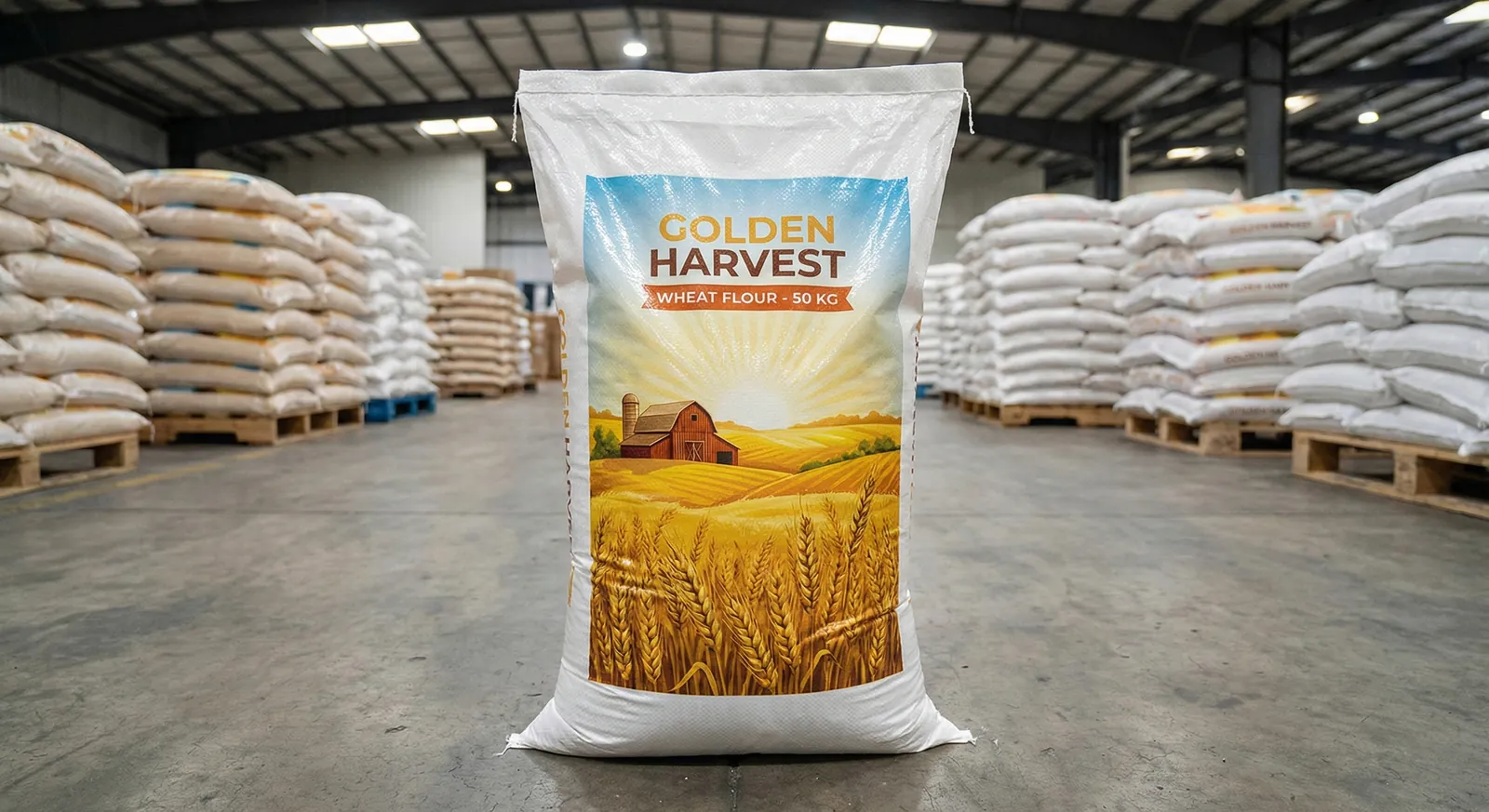
Kenyan retail shelves have upgraded visibly in the last decade: rice millers, flour brands and water bottlers all moved premium SKUs into BOPP laminated woven bags, because in a market where products travel dusty roads and sit under equatorial sun, print protected under laminate outlasts everything else. Importing that quality into Kenya runs through one gate — KEBS PVoC — and a handful of quality decisions that determine whether the bags still look premium after six months in the channel.
KEBS PVoC: certification before shipment
Kenya's Pre-Export Verification of Conformity requires a Certificate of Conformity issued before regulated goods leave origin, and laminated packaging for food and retail lands in scope. The flow: we submit invoice, packing list, specifications and factory file to the contracted inspection body (SGS, Bureau Veritas and Intertek all operate PVoC in India), they verify construction and witness or review testing, then issue the CoC against the specific lot. Skip the CoC and the container faces destination inspection at Mombasa with delays and penalties; run it properly and Kenyan clearance is among the fastest in East Africa. The tests behind the certificate are practical: GSM and dimensional verification, tensile and seam strength, lamination bond, and food-contact material declarations where bags pack rice, flour or sugar.
Duty, levies and the Mombasa-to-Nairobi flow
Kenya applies the EAC Common External Tariff — finished laminated sacks typically sit around the 25% band — plus the Import Declaration Fee at 2.5% and the Railway Development Levy; your clearing agent confirms current rates so landed models are honest. Containers clear at Mombasa and ride the SGR to Nairobi in a day, a genuine improvement over the old road-only reality. The document pack that keeps everything moving: CoC, commercial invoice, packing list, bill of lading, certificate of origin and the agent's pre-arrival declaration, all matching the shipped lot exactly — mismatches between the CoC and the invoice are the most common self-inflicted delay we see.
Quality for the Kenyan channel
Retail conditions here punish packaging hard: dust, sun, rough handling from Nairobi to Kisumu. The checklist we run for Kenyan BOPP orders: UV-resistant ink systems and a UV package in the film (equatorial sun fades cheap ink within months), lamination bond strength for humid coastal storage, tensile and drop tests at filled weight, and colour match against the signed press proof. Print protected under laminate is exactly the right format for this market — provided the laminate and ink system were specified for it.
Frequently Asked Questions
Who arranges the PVoC certificate?
We coordinate inspection and certification with the contracted body and file the documents; the CoC ships with the consignment so Mombasa clearance runs on schedule.
What duty and levies apply?
Typically around 25% EAC CET on finished laminated sacks plus the 2.5% Import Declaration Fee and the Railway Development Levy — confirm live rates with your clearing agent.
Will the print survive Kenyan sun and dust?
Yes when specified properly — UV-resistant inks, a UV package in the film and print sealed under the laminate; that is the construction we run for East African retail.
What is the total lead time?
Production 3 to 4 weeks including PVoC inspection, ocean to Mombasa 15 to 22 days, SGR to Nairobi in a day — plan 6 to 8 weeks door to door on first orders.
Constructions and print capabilities are on the BOPP Bags and rolls page. For the Kenya compliance flow on woven sacks read the Kenya standards guide, and for premium print strategy see why BOPP dominates premium retail.