Importing into Qatar is straightforward when the paperwork is boring — and keeping it boring is mostly the exporter's job. This walks through the circular FIBC path specifically, because tubular bulk bags are what most Doha-area packers and traders reorder, and the few decisions that matter (classification, incoterm, inspection timing) are the same ones that decide whether your bags are on the filling line or stuck in port administration.
Classification, duty and the document set
Circular bags of polypropylene tape classify under HS 6305.33, a heading Qatar customs treats with the standard GCC tariff band — around 5% at the time of writing, with your broker confirming the current line before the shipment sails. There is no Qatar-specific technical licence for woven transport packaging; the set that matters is commercial: commercial invoice, packing list, bill of lading, certificate of origin and, where your contract requires proof of performance, the batch test reports we issue as standard. Quotations run FOB Mundra or CIF Hamad Port — CIF keeps freight fixed at booking, which most Qatar buyers prefer for budgeting, while importers with their own freight arrangements take FOB and control the vessel themselves.
Transit arithmetic from India
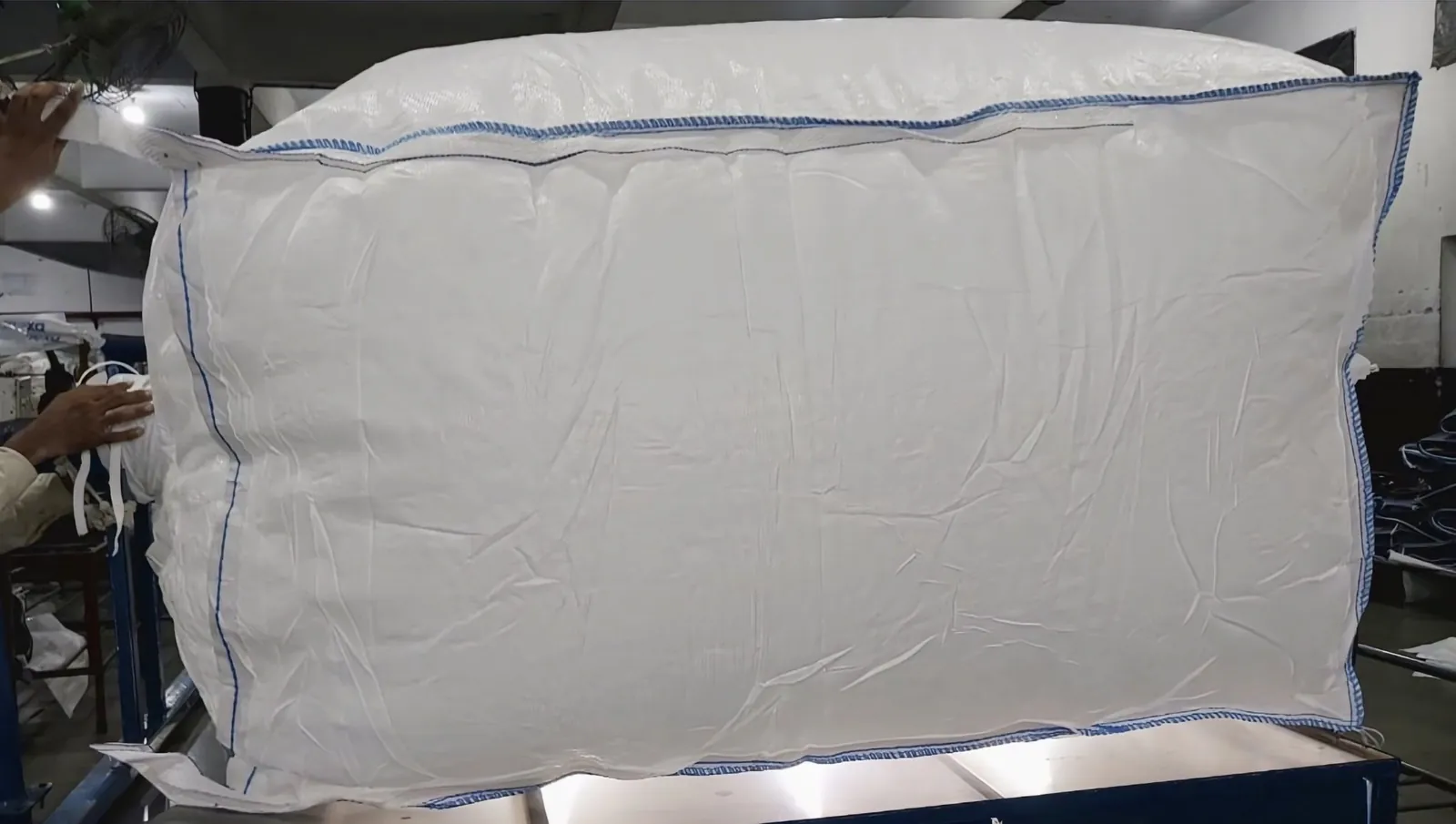
Mundra to Hamad Port is four to six days on the Gulf services, one of the shortest deep-sea legs in our export map. Production on a new order runs about three weeks, so the realistic purchase-order-to-Doha-warehouse window is five to six weeks; repeat call-offs against a reserved slot run shorter. A 40 foot high cube carries 5,000 to 7,000 standard one-tonne circular bags as pressed palletised bales, and a two-person crew de-stuffs a container in under two hours with a forklift because the bales are shrink-wrapped and pallet-planned.
Receiving QC that catches issues early
The buyers who never have a bad season run the same routine on every arrival. Count the bales against the packing list before the container is released. Cut one bale and verify print, dimensions and GSM against the approved sample. Check the batch certificate matches the shipment, not a previous one. File the test reports with the contract. The whole routine takes an hour and it converts any rare discrepancy from a filling-day crisis into a routine claim against retained samples — which we hold for the life of the agreement precisely so a claim never turns into an argument.
Frequently Asked Questions
What duty applies to FIBC bags in Qatar?
The standard GCC band of around 5% on HS 6305.33 at the time of writing — confirm the current rate with your customs broker before finalising landed-cost models.
Which incoterm should a first-time importer choose?
CIF Hamad Port — freight is fixed at booking, the document set arrives consolidated, and your broker handles local clearance with everything in hand.
How many bags fit in one container?
5,000 to 7,000 standard 1-tonne circular bags depending on GSM, pressed as palletised bales planned for fast de-stuffing.
What if a batch fails my receiving inspection?
We hold retained samples per batch and test results per lot, so a claim is verified against physical references within days — and a replacement production slot is reserved while it resolves.
Specs and options are on the Circular FIBC Bag page. For the wholesale pricing picture read the circular bulk bag wholesale guide for Saudi Arabia, and for the pre-order vetting process see how to verify an Indian FIBC supplier.