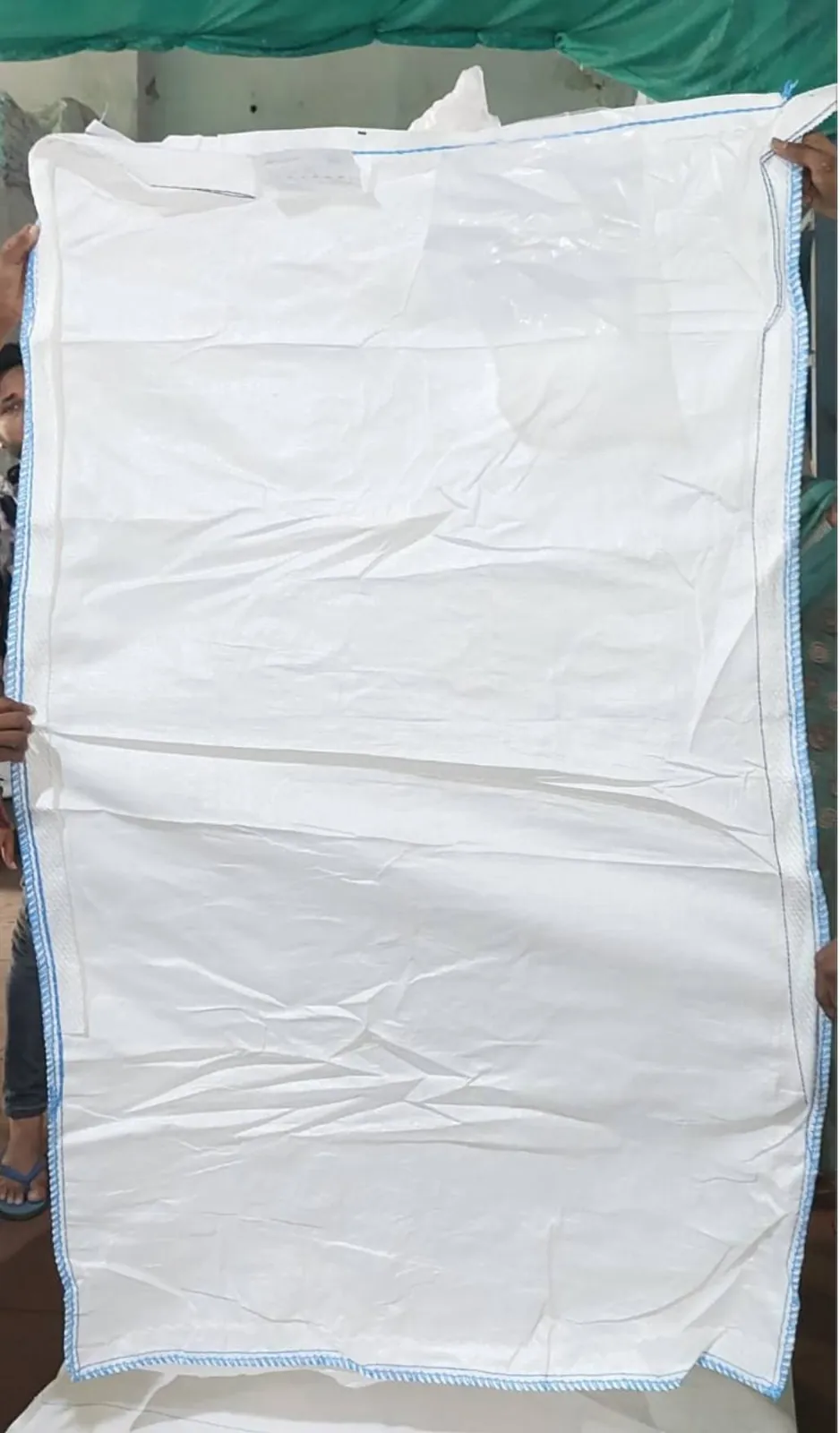
Saudi bulk volume moves in circular bags more than any other construction. Cement plants in the provinces, mineral processors in the north, fertilizer packaging lines and the wholesale trade in Riyadh and Dammam all run tubular FIBC because at volume the unit price matters and circular weaving delivers the lowest cost per bag that still passes a 5:1 test. This guide is the pricing and logistics picture a Saudi wholesaler actually needs, stripped of brochure language.
How the wholesale price is built
Start with fabric: 160 GSM is the entry point for dry free-flowing cargo and every step to 200 GSM adds weight the pricing follows linearly, because polypropylene tape cost is a weight story. Safety factor next — 5:1 standard is the volume spec, and UN 6:1 certification only enters where dangerous goods rules force it, at a genuine premium you should not pay unless required. Top and bottom hardware — skirt, spout, discharge skirt — each add small steps. Coating and liners are the big optional jumps. Printing is the cheapest variable in the build, so branded bags at volume barely cost more than plain. The practical takeaway for a buyer comparing quotations: normalise the spec sheet first, then compare numbers, because a 160 GSM quote against a 200 GSM quote is a meaningless comparison.
Container loads into Jeddah and Dammam
A 40 foot high cube swallows 14 to 16 tonnes of pressed bales — 5,000 to 7,000 standard one-tonne bags depending on fabric weight. From Mundra, west-bound services reach Jeddah in five to seven days and the eastern ports a little behind, so Jeddah-serving buyers in the Red Sea corridor get the fastest cycle. Bales are palletised, shrink-wrapped and loaded with a moisture check before closing, and every container ships with the batch test pack inside the document set.
The call-off rhythm that wins on price
Volume buyers in the Kingdom do not chase spot quotes; they run annual agreements with quarterly call-offs. We reserve production capacity against the agreement, hold the price for the defined window, and turn repeat orders in under three weeks. Payment settles by telegraphic transfer against documents on established accounts, with letters of credit for larger first orders. The wholesalers who get the best numbers are the ones who commit a twelve-month volume and let us plan resin purchasing around it — predictability is the real currency in this trade, on both sides of the table.
Frequently Asked Questions
What volume earns an annual price agreement?
Two to four containers a year is where an agreement starts making sense for both sides — enough to reserve slots and plan resin, small enough to stay flexible on spec changes.
Can we combine circular and U-panel bags in one container?
Yes, two specs per container is routine when both are confirmed at order time; the bale plan is drawn before loading so neither spec arrives short.
Do you quote CIF Jeddah or FOB Mundra?
Both — most Saudi accounts take CIF Jeddah or CIF Dammam so freight is fixed at booking, while larger importers with their own freight contracts take FOB.
What test documentation ships with each batch?
Top lift, seam strength and drop results against the declared SWL, UV certificate for the fabric lot, and retained samples for the life of the agreement.
Construction and spec options are on the Circular FIBC Bag page. For the wider Saudi market read the FIBC sourcing guide for Saudi Arabia, and for UN-certified cargo see when UN certified FIBC bags are mandatory.