The Netherlands punches far above its size in FIBC volume for one structural reason: Rotterdam. Trading houses there do not just consume bulk bags, they warehouse and re-distribute them into Germany, Belgium and France, which makes Dutch buyers unusually specification-literate. They know a 125 GSM bag from a 175 GSM bag by feel, and they buy for the application, not the brochure. Here are the five application profiles that drive most of the demand, and the specification that actually survives each one.
Trading and re-distribution stock
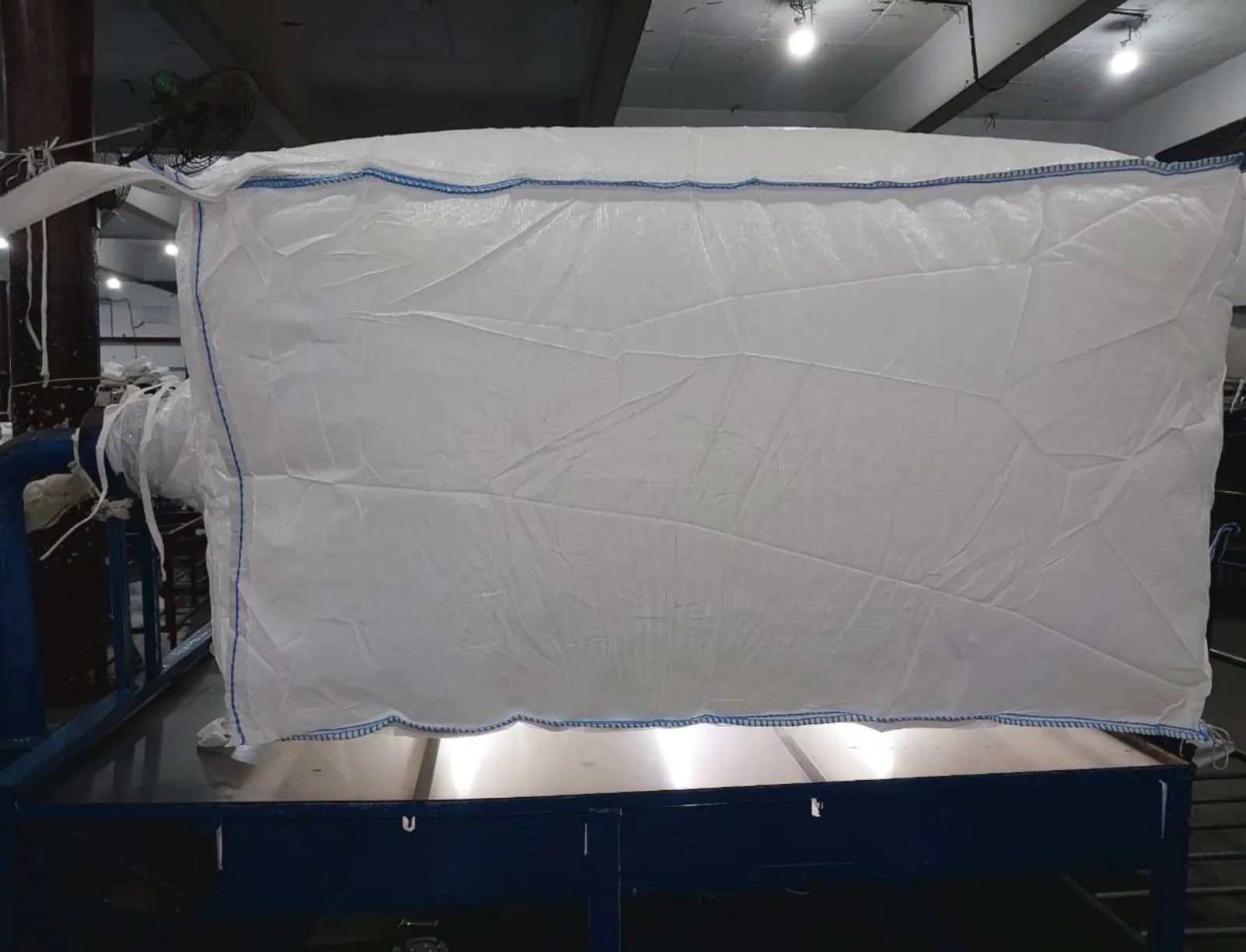
The classic Rotterdam profile: a trader stocks two or three workhorse specs — typically 90 x 90 x 110 cm, 1,000 kg SWL, uncoated 170 to 190 GSM with top skirt and discharge spout — and sells into whatever the month brings. For this use the bag must be deliberately generic: no customer print, strong loops, clean stitching, and bale packing that de-stuffs fast. We hold quarterly container slots for stockist customers so their warehouse never runs dry mid-season, and unprinted stock is the fastest-moving SKU we make.
Seed, bulb and onion packing
Dutch horticulture moves seed potatoes, flower bulbs and onion sets in ventilated or lined FIBC depending on the product and season. Bulb handlers want airflow without spill, which points to ventilated fabric panels; seed destined for long storage wants a liner to lock moisture out. These buyers care about food-contact documentation when the cargo chain touches food, and our food-grade liner options ship with the relevant declarations. Bag weight marking and lot traceability print are standard because packers audit their suppliers the way supermarkets audit them.
Chemical formulators and powders
The Rotterdam-Botlek chemical cluster handles titanium dioxide, pigments, calcium carbonate and masterbatch in bulk bags, often in ATEX-classified handling zones. That is where the antistatic conversation gets real: Type B for environments with weak hazardous discharges, Type C conductive bags that must be earthed at the filling frame, or Type D static-dissipative bags that remove the earthing step and the human error that comes with it. We build all three and label them clearly, because a Type C bag filled without grounding is a worse risk than no antistatic bag at all.
Plastic regrind and recycling streams
The Dutch recycling sector moves PET flake, PE regrind and rubber crumb in FIBC by the container-load. These cargoes are abrasive and dusty, so the spec lives at coated 200 GSM fabric with a sift-proof inner seam treatment, and discharges through a full-bottom skirt rather than a narrow spout. Buyers here also push on recycled-content bags for their own chain-of-custody story, which we supply with polymer provenance declarations.
Construction and landscaping materials
Sand, gravel and decorative stone in one-tonne bags feed the landscaping trade, and the failure mode is well known: base panel wear when bags are dragged across yard concrete. Heavier base fabric and optional bottom reinforcement panels solve it, and Dutch merchants who switched tell us returns on damaged bags dropped to nearly zero.
Frequently Asked Questions
Which spec should a Rotterdam stockist hold as standard?
90 x 90 x 110 cm, 1,000 kg SWL, 5:1 safety factor, uncoated 180 GSM, top skirt and bottom spout — it covers the widest slice of applications and re-sells fastest.
Do you offer Type C and Type D antistatic bags for ATEX zones?
Yes, both are produced and tested to the relevant IEC references, with Type C supplied with grounding loops and clear earthing instructions at the fill frame.
Can liners be pre-inserted at your plant?
Yes, form-fit or tubular liners are inserted before baling, which removes the fitting step at your filling line entirely.
What is the MOQ for a mixed container?
Two specs per container is routine at 1,000 pieces each, and three specs is possible when planned at order confirmation.
Application-specific options are on the PP Jumbo Bags (FIBC) page. For the U-panel versus circular choice read U-panel vs circular bulk bags, and for moisture-sensitive cargo see PE liners as the moisture barrier.