This is the first construction question every bulk bag buyer should settle, and it gets settled wrong more often than you would think, usually because the buyer inherited the spec from a previous supplier. U-panel and circular bags hold the same product, lift from the same loops and pass the same SWL tests. The differences show up in your warehouse cube, your sifting complaints and your unit price. Here is the honest comparison from a plant that weaves both.
The one-line difference
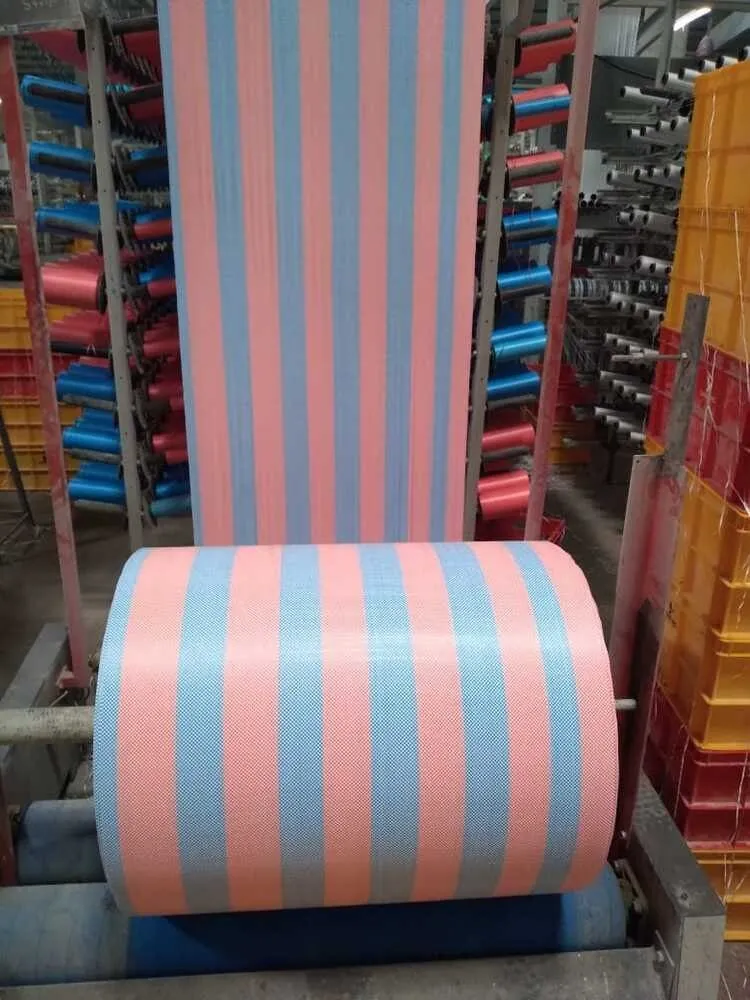
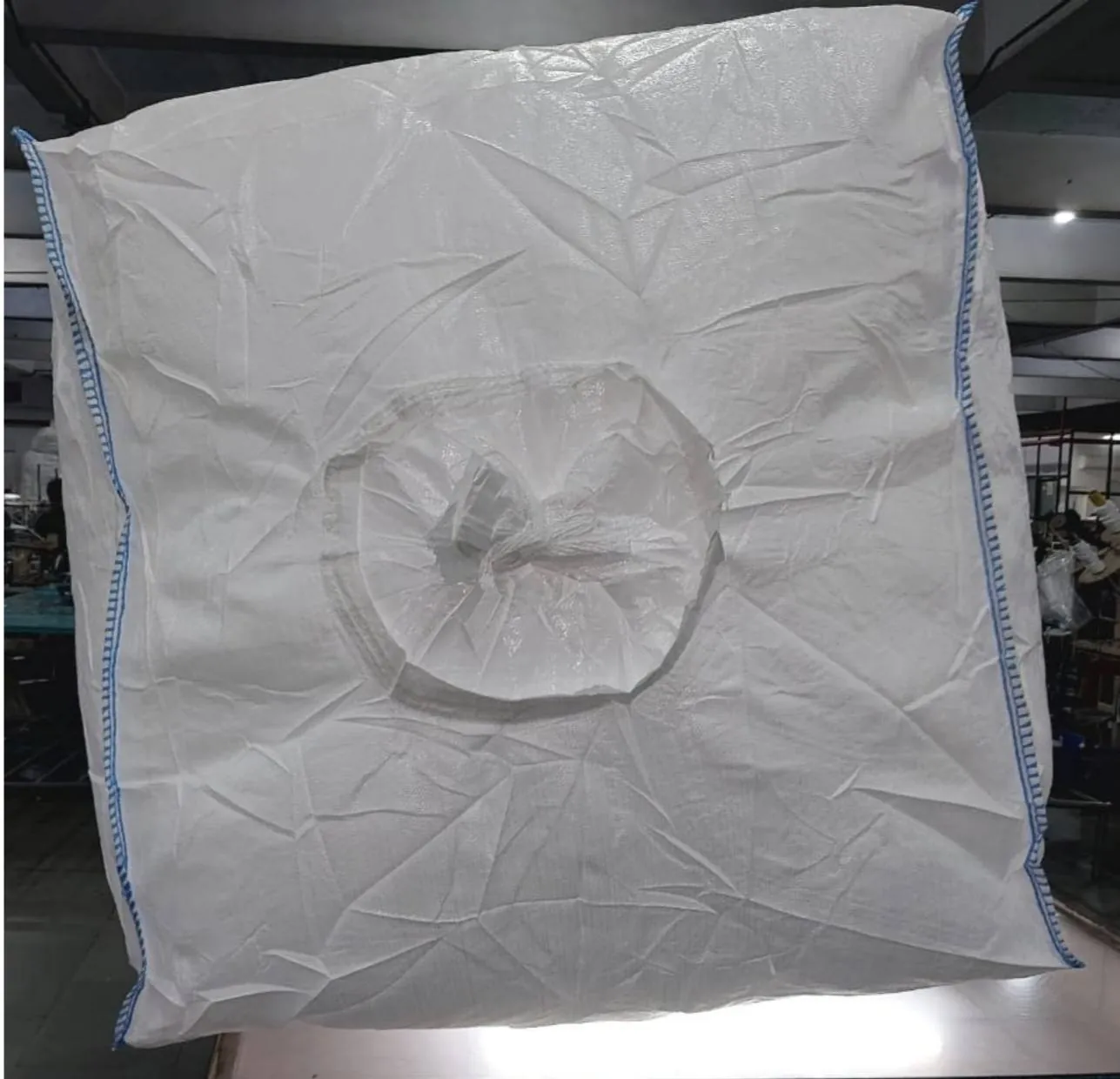
A circular bag starts as a seamless tube woven on a circular loom. A U-panel bag has two rectangular side panels sewn to a U-shaped web that runs under the bottom and up both faces. That single construction difference drives everything else in this table.
| Factor | Circular | U-Panel |
|---|---|---|
| Body construction | Seamless tube, no side seams | Sewn side panels, more seams |
| Shape when filled | Rounded corners, slight bulge | Square corners, true rectangular face |
| Pallet cube utilization | Good | Excellent, tighter warehouse stacks |
| Sift resistance | Fewer seams to sift | More seam footage; needs good stitch spec |
| Typical cost (same GSM) | Baseline | 5-10% higher |
| Best fit | Pellets, sand, aggregates, resins | Powders, food ingredients, dense stacking |
When we steer buyers toward U-panel
If your operation stack-height matters, U-panel earns its premium. The rectangular face means three-high stacking in a warehouse aisle uses vertical space evenly instead of letting round bags bridge and lean. Food and fine-powder buyers also like U-panel when paired with a form-fit liner, because the liner geometry seats better against flat panels and the bag presents a clean printable face for branding and lot data. One caution: more seams means your stitch specification matters more. Ask for the seam stitch count and in-seam sift-proofing fold, and treat any quote that does not state both as incomplete.
When circular is the smarter spend
For aggregates, sand, plastic pellets and anything free-flowing loaded outdoors, circular construction gives you the same strength with a lower bill and one less seam family to worry about. Yards that drag bags across gravel also do fine with circular, since the tubular body spreads abrasion around the circumference. Plenty of distributors run both: circular for the commodity lines, U-panel for the customer-facing branded product.
Cost, timing and switching
At the same fabric weight, expect U-panel to land about 5 to 10 percent above circular, currently in the $15.00 to $26.00 range per bag FOB India for standard 2,200 lb builds. Lead times are identical, 3 to 4 weeks production plus ocean transit. If you are switching constructions, run a pallet test: fill three bags of each, stack, wrap and store for a week. It costs almost nothing and settles the debate with your own data instead of ours.
Questions we hear
Is U-panel stronger than circular?
Not inherently. Both pass 5:1 or 6:1 SWL testing. Strength comes from fabric weight, loop design and stitch quality, not panel count.
Which prints better?
U-panel. Flat side panels take multi-color print without the distortion you get printing over a curved tube face.
Can one container mix both types?
Yes. We routinely load split containers so buyers can phase a construction change over one order instead of two.
Both constructions are on the site: see U-Panel FIBC bags and Circular FIBC bags, or start from the wholesale price guide to frame your budget first.