Put a PP woven bag and a BOPP laminated bag side by side and the difference is visible from a metre away; price them and the difference is 15-30%; ask which one your product actually needs and the honest answer is "it depends on three things". This comparison is the one we run with customers every week at our Kalol plant, where both products come off the same looms — so here it is written down, without the salesmanship.
Construction: what each bag actually is
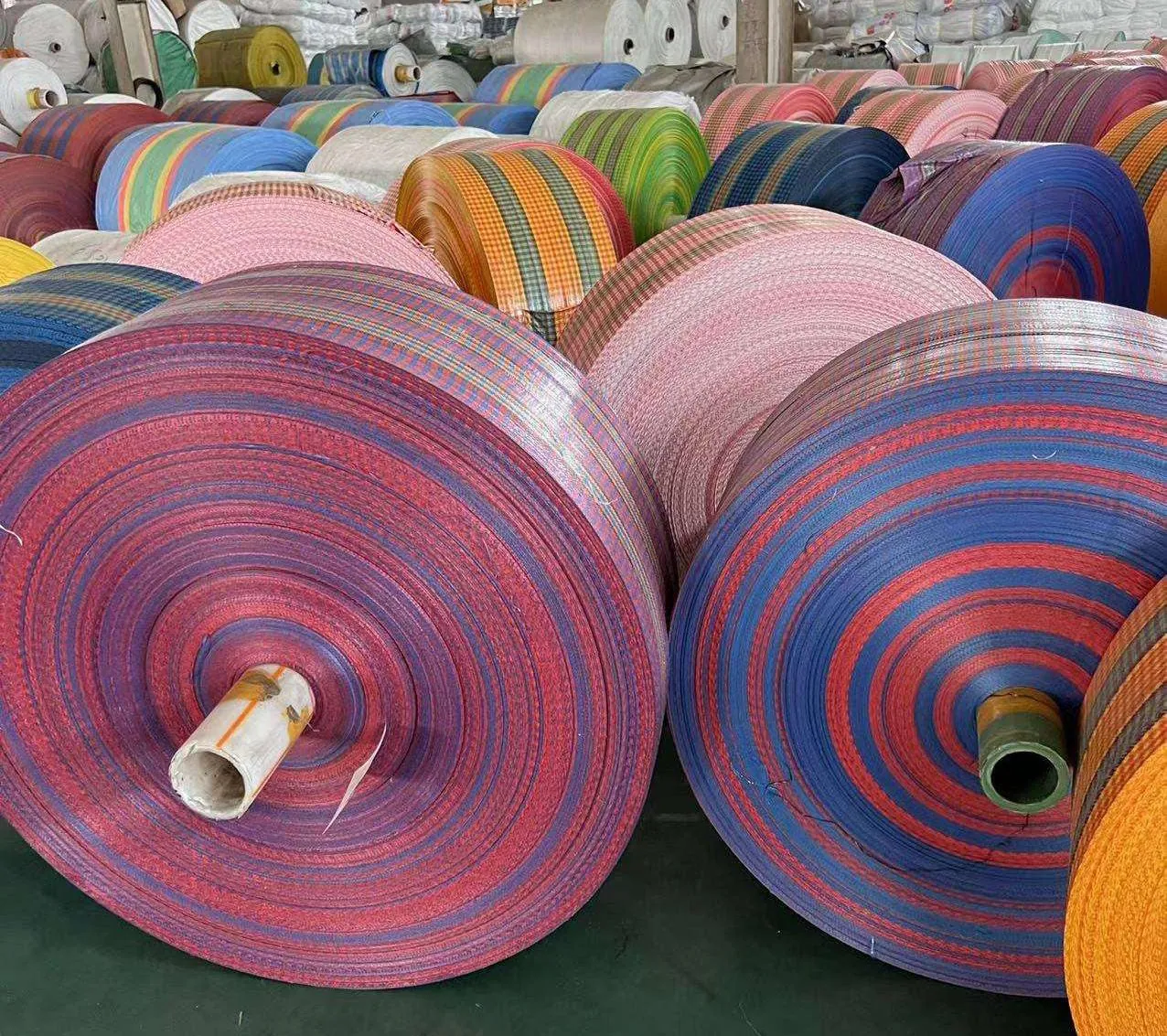
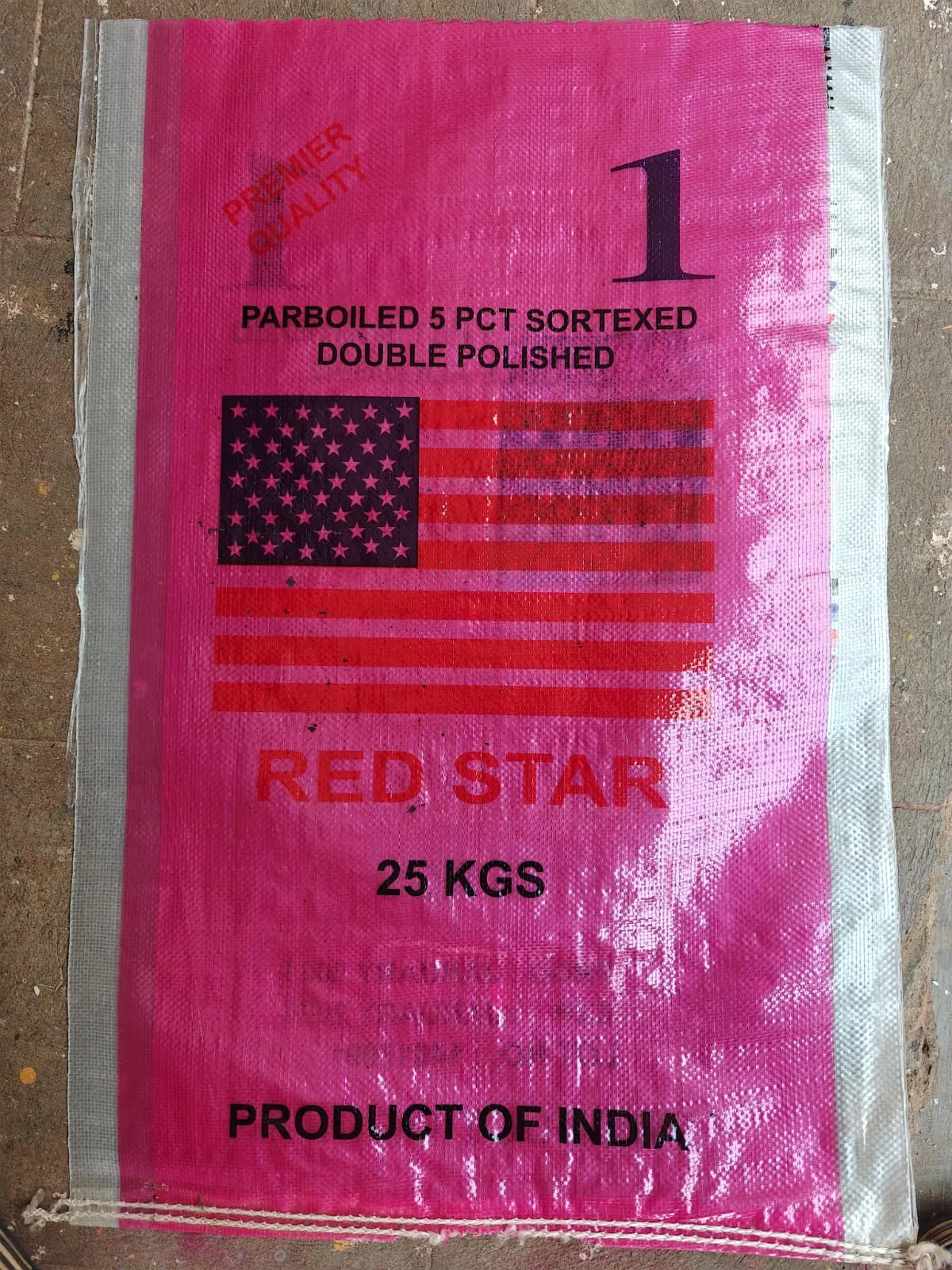
A PP woven bag is woven polypropylene tape fabric — the classic sack: strong, breathable unless laminated, printable with flexo inks (one to four colours, decent not beautiful), and at the bottom of the cost ladder per kilo of holding capacity. A BOPP bag is that same woven fabric — the woven body gives the strength — laminated with a reverse-printed biaxially oriented polypropylene film: the graphics print on the underside of a crystal-clear film, then laminate to the fabric, which is why BOPP bags carry photographic-quality print that survives abrasion, moisture and months of warehouse handling without scuffing. The lamination also seals the weave, converting a breathable sack into a moisture-barrier package — a difference that matters more than print for certain products. In short: woven is structure, BOPP is structure plus a print-and-barrier skin.
Print quality and shelf presence
This is the decisive difference for retail products. Flexo print on plain woven fabric is functional — brand, weight, mandatory text — but it will never look premium, and photo reproduction is out of the question. BOPP's rotogravure reverse print delivers photographic imagery, fine text, gradient colour and a gloss or matte finish that stands next to any flexible packaging on a Western shelf. For products where the bag is the brand — premium rice, flour, seed, pet food — BOPP is not a luxury, it is the category norm, and the price premium is buying shelf equity. For industrial products, fertiliser, feed and construction materials where the buyer is a professional and the print is informational, plain woven does the job at the lower cost.
Cost, durability and moisture
BOPP runs roughly 15-30% above plain woven for the same bag size, driven by the film, lamination pass and gravure printing — a delta that narrows at volume because cylinders amortise. Durability is more nuanced than marketing suggests: the woven body is the same in both, so base strength is equal; the BOPP laminate adds scuff resistance and moisture barrier but can be less forgiving on extreme flex folds over time, and a delaminating laminate on cheap BOPP bags is a visible failure that plain woven never exhibits. Moisture is structural: laminated BOPP blocks ambient moisture meaningfully better than unlaminated woven — for flour, milk powder and seed, that barrier is a shelf-life decision, often paired with an inner liner for the full solution.
The use-case matrix
Where each wins in practice: premium rice, flour, basmati and branded pulses — BOPP, because the shelf decides the sale; pet food and seed — BOPP for print plus barrier (usually with liner); fertiliser and chemicals — plain woven or laminated depending on brand strategy and moisture exposure; animal feed and industrial powder — plain woven with liner where moisture matters; construction materials, sugar in bulk trades, export commodities — plain woven, where function beats fashion. If you want to see both ends of this range in one place, our PP woven bags and rolls line covers the plain-woven side, the BOPP bags and rolls page shows the laminated constructions and print capability, and our BOPP wholesale guide for Australia covers how the premium line ships at volume.
Frequently Asked Questions
How much more does BOPP cost than plain woven?
Typically 15-30% for the same bag size, driven by the BOPP film, lamination pass and gravure printing. The delta narrows at volume as cylinder costs amortise across longer runs.
Is BOPP actually stronger than woven?
No — the woven body is the same and so is the base strength. BOPP adds print quality, scuff resistance and moisture barrier; it does not add load strength.
Which for flour and moisture-sensitive products?
BOPP laminated, usually with an inner liner — the laminate blocks ambient moisture and the liner completes the barrier. Plain woven alone is breathable, which is wrong for flour shelf life.
Can BOPP print photographs and fine text?
Yes — reverse-printed rotogravure on BOPP film delivers photographic quality under a protective outer layer, which is exactly why premium retail categories adopted it.