The container is the most expensive cubic metres in your import economics, and most buyers never do the loading maths — they discover it at destination as damaged goods, short weights or freight they did not need to pay. Loading bulk packaging from India is a solved problem with a few honest numbers and two or three disciplines. This guide is the version we hand to new customers before their first FIBC or sack container leaves our Kalol plant.
Container basics: know your box
The trade runs on three boxes. A 20-foot general purpose: about 33 cubic metres usable, payload to roughly 28 tonnes nominally but road-limit-bound at destination. A 40-foot general purpose: about 67 cubic metres, same payload constraint. A 40-foot high cube: about 76 cubic metres — the default for bulk packaging because the products are bulky relative to weight. The binding constraint is almost never the container's structural payload; it is the legal road weight at destination — roughly 19-20 tonnes effective for a container truck in much of Europe, higher in parts of the Gulf and Africa, lower in some US states — so a 40-foot HC loaded to 24 tonnes can be legally undeliverable in Europe even though the box swallows it. Ask your forwarder for the destination road limit before you finalise order quantity; the answer changes the order.
FIBC loading maths
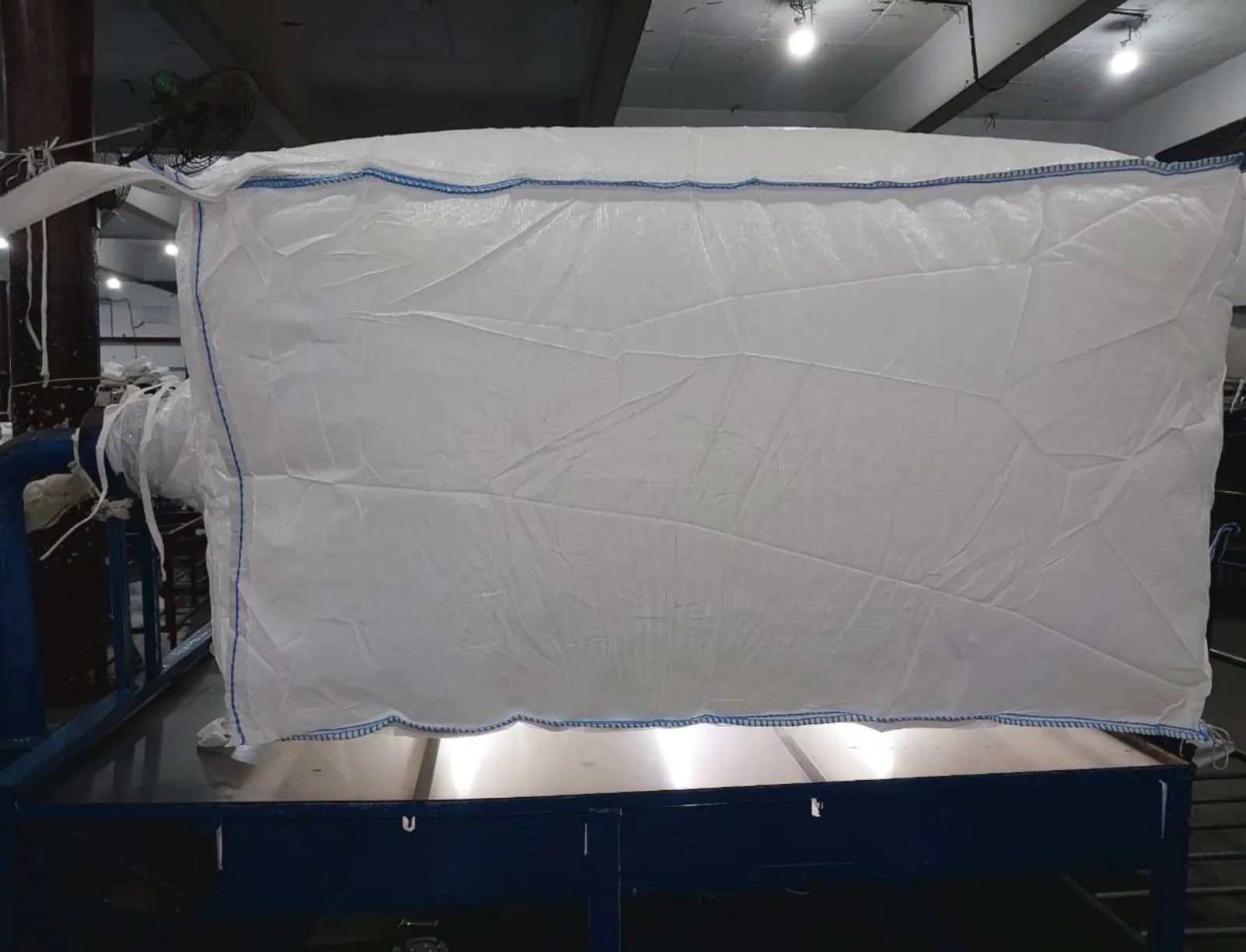
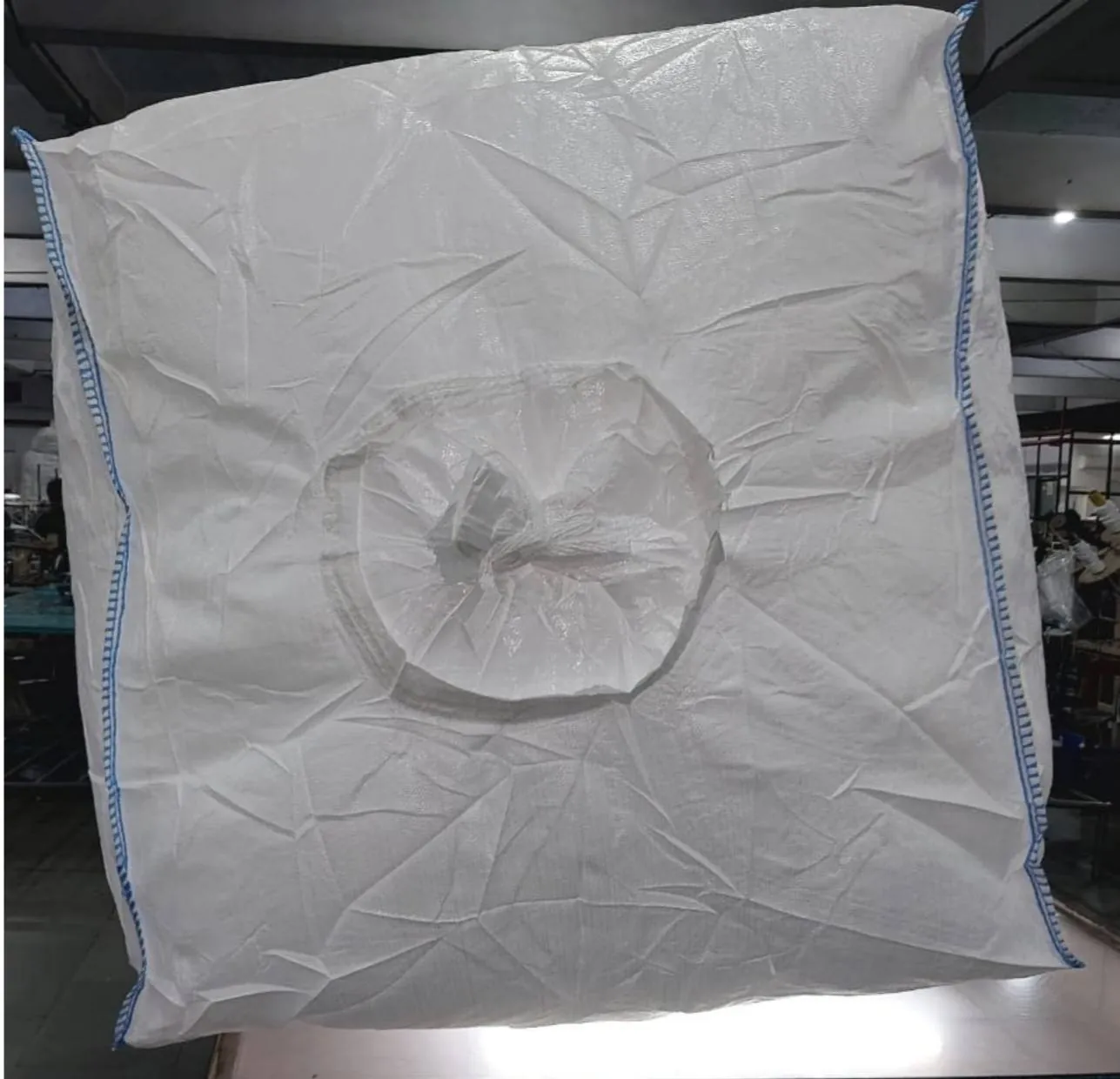
Standard four-loop FIBCs ship baled — pressed, strapped and stacked — or on pallets. The numbers that matter: a 40-foot high cube typically takes 500-700 baled standard bags (90x90cm class) depending on bale compression and bag size mix, or 250-350 palletised. Weight-side, FIBCs are light for their volume (a 180 GSM bag weighs around 2-2.5kg), so a 40-foot HC of baled FIBCs lands around 12-18 tonnes including pallets — usually within every road limit, which is why FIBC freight is comparatively painless. Loose (unbaled) loading squeezes in more units but adds destination handling cost that usually exceeds the freight saved; baled is the trade default for good reason. For container-size bags and specials, the counts change — ask for the loading plan per order, because a loading plan is a document we issue with every FIBC booking and your warehouse team should receive it before the container does.
Sacks, films and mixed loads
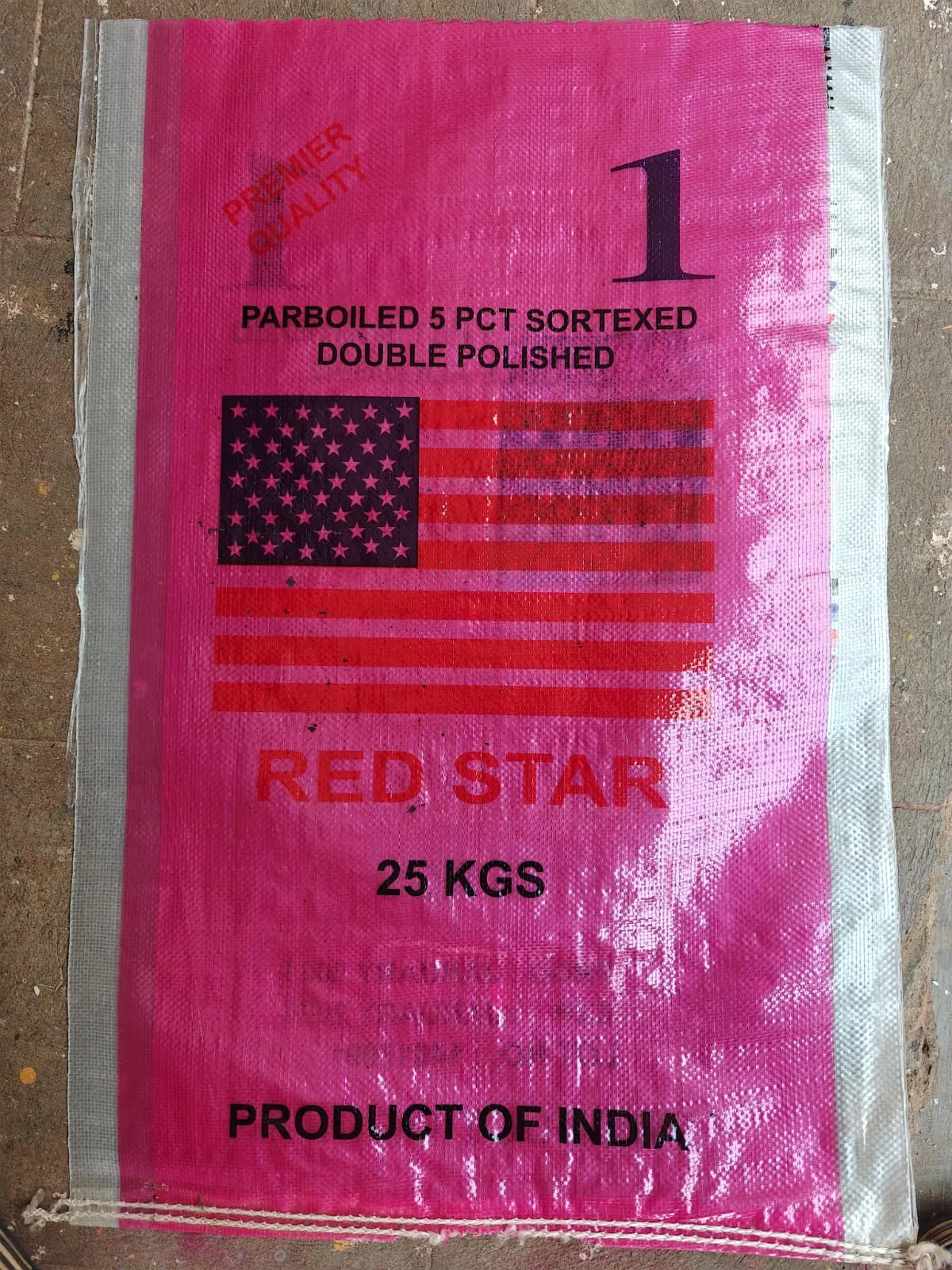
Woven sacks ship compressed in bales — 15-25kg bales stacked to the cube — and a 40-foot HC takes 20-24 tonnes depending on sack weight, hitting road limits in Europe, so Europe-bound sack orders often split across a 20 and a 40 or size to 19-20 tonnes. Films (stretch, shrink, liners) are dense and palletised, taking full payload easily; FIBCs and tapes are the opposite. Mixed programs load by density logic: heavy items floor-level, baled sacks above, with dunnage between incompatible surfaces. The loading plan states the sequence because unloading order matters to warehouses that break containers into trucks.
Weight limits, VGM and moisture
Two compliance items ride every shipment. SOLAS VGM (Verified Gross Mass) — the container's verified total weight, declared before loading; we weigh and document on every booking, because a wrong VGM stops a container at the terminal. And destination road limits as covered above — the honest constraint on every quantity decision. Moisture is the silent claim-generator: a 25-day ocean leg moves from Indian humidity to North European winter and containers rain internally when temperatures swing — the classic "container rain" that stains bales and blocks sacks. The fixes are cheap: desiccant strips (we load them as standard on moisture-sensitive cargo), kraft dunnage layers, breathable packing choices, and containers inspected for floor and roof integrity before stuffing. Photograph everything: container interior before loading, stuffing in progress, walls and floor after, door seal at closure — the photo set that resolves any destination claim in one email.
Supervision and the paperwork trail
For first orders and high-value programs, third-party loading supervision (SGS, Bureau Veritas or an independent) costs a few hundred dollars and closes the gap between "factory says loaded well" and evidence. We support supervised loading routinely — see the PP jumbo bag range and PP woven sacks line for the products that ride these containers, our supplier verification guide for the audit that precedes the booking, and the FIBC liners page for the moisture-sensitive end of the range where loading discipline matters most.
Frequently Asked Questions
How many FIBC bags fit in a 40ft high cube?
Roughly 500-700 baled standard bags depending on size mix and bale compression, or 250-350 palletised. We issue a loading plan per booking so your warehouse knows before arrival.
Why can't I fill a container to its payload?
Destination road limits bind first — much of Europe legally stops around 19-20 tonnes effective truck weight. The container can hold more; the road cannot carry it.
What is VGM and who handles it?
Verified Gross Mass under SOLAS — the container's verified weight declared before vessel loading. The shipper handles it; we weigh and document on every booking.
How do we prevent container rain damage?
Desiccant strips as standard, kraft dunnage, moisture-aware packing and container inspection before stuffing — plus the photo set (interior, loading, closure) that makes any claim resolvable.