Every FIBC buyer eventually asks the same question in one of two ways: "why did my quote move 8% since March?" and "why does the same bag cost different prices from three factories in the same industrial estate?" The answer in both cases is that FIBC pricing is a small number of drivers multiplied honestly — resin, fabric weight, construction, and a stack of engineering adders — and buyers who understand the drivers stop overpaying and stop chasing phantoms. This guide lays out the mechanics as they stand in 2026, with indicative price logic and the comparison checklist we hand to our own customers.
How FIBC pricing actually works
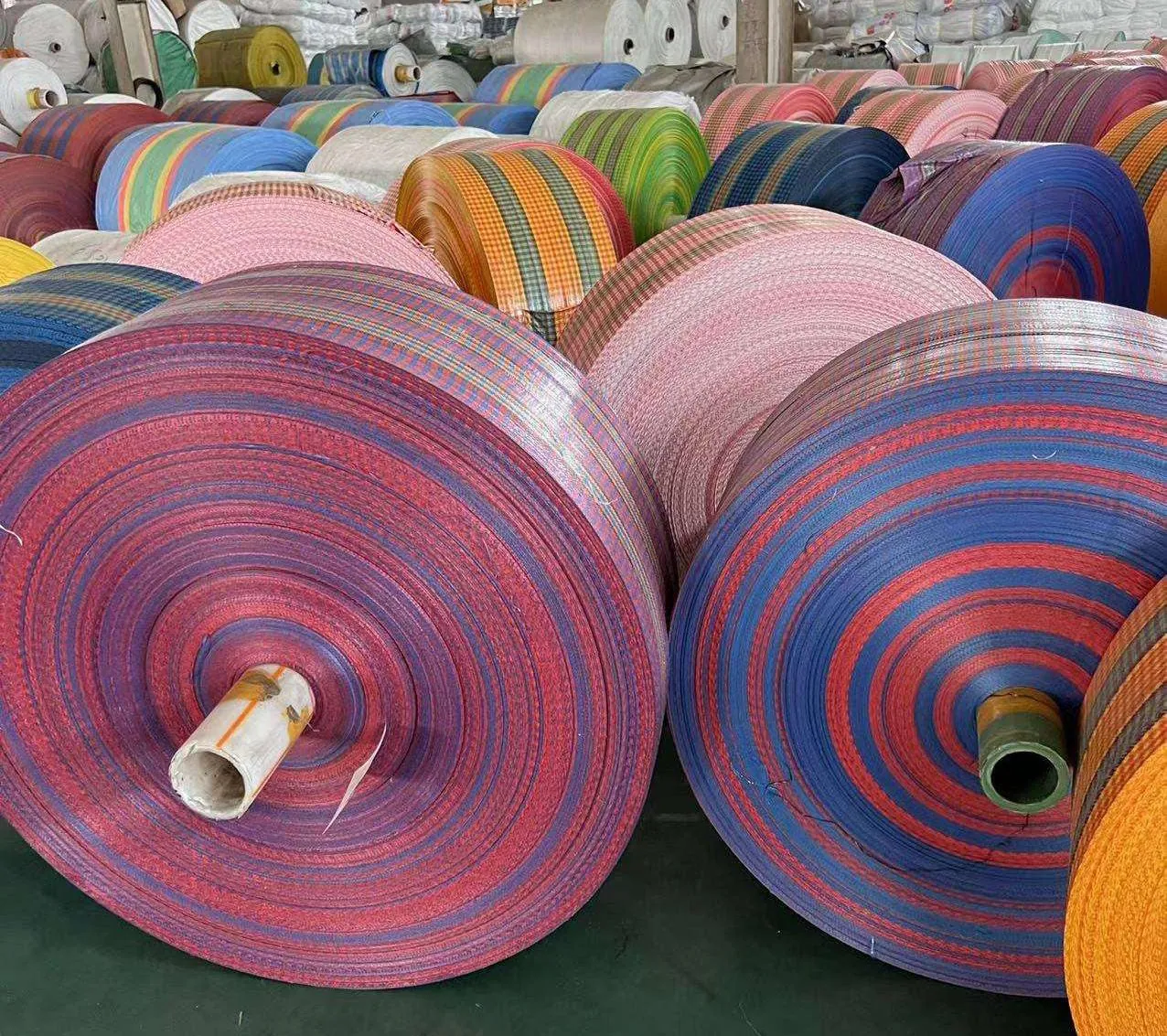
The trade quotes FIBCs per bag and, for programs, per tonne — and the per-tonne number is the more honest one because it normalises GSM differences: a 1.5-tonne bag at 180 GSM and a 1-tonne bag at 140 GSM are different amounts of polymer in different shapes, and per-tonne pricing exposes that immediately. Resin is the engine: polypropylene typically represents 60-70% of a bag's cost, so the PP price index (which tracks crude and propylene) moves every quote — a resin move of $50 per tonne moves bag prices a few percent, which is why serious buyers lock prices for 30-60 days, not quarters. The rest is conversion: tape extrusion, weaving, lifting-loop webbing, stitching, QC and packing, each a small margin over which factories genuinely compete.
The cost drivers, ranked
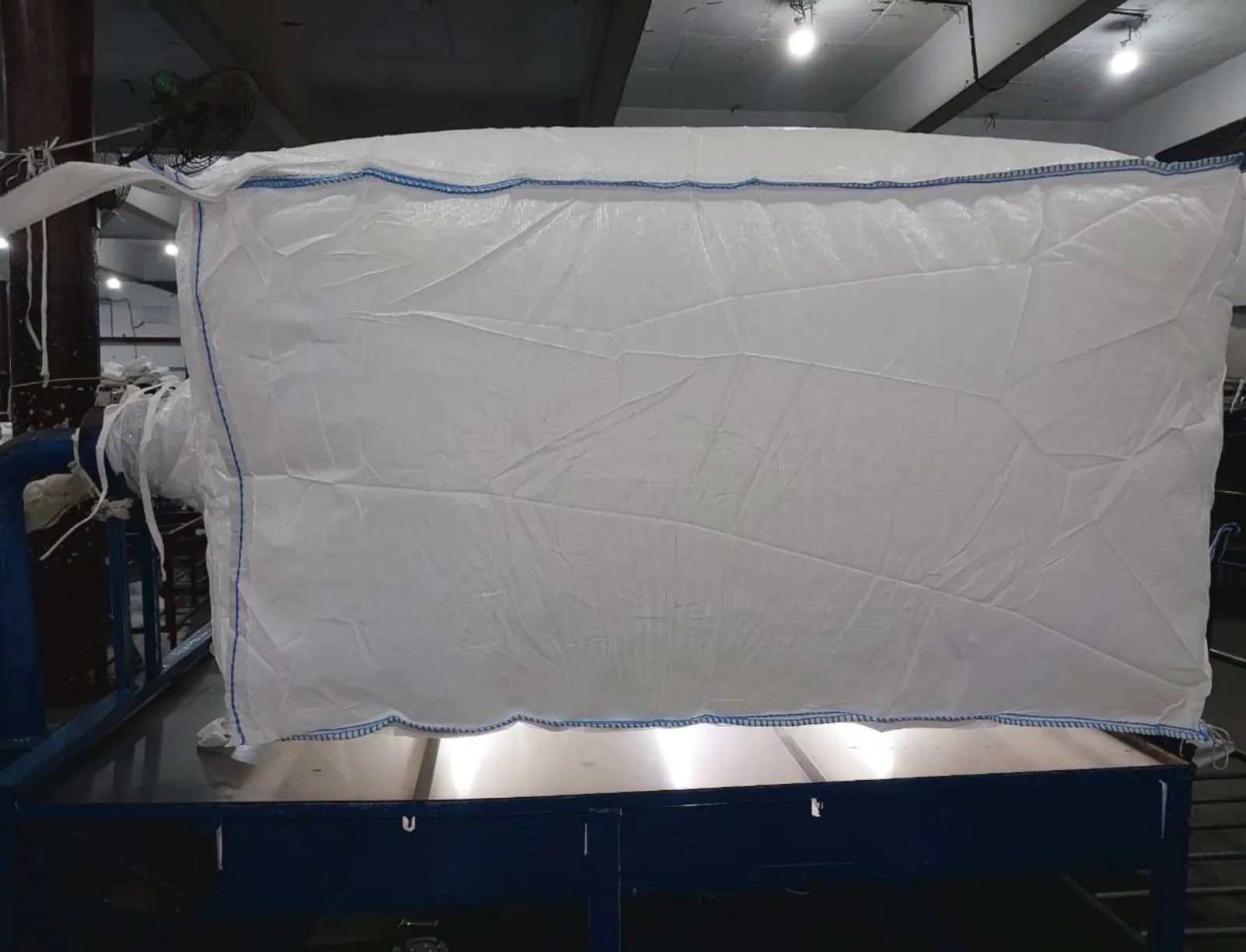
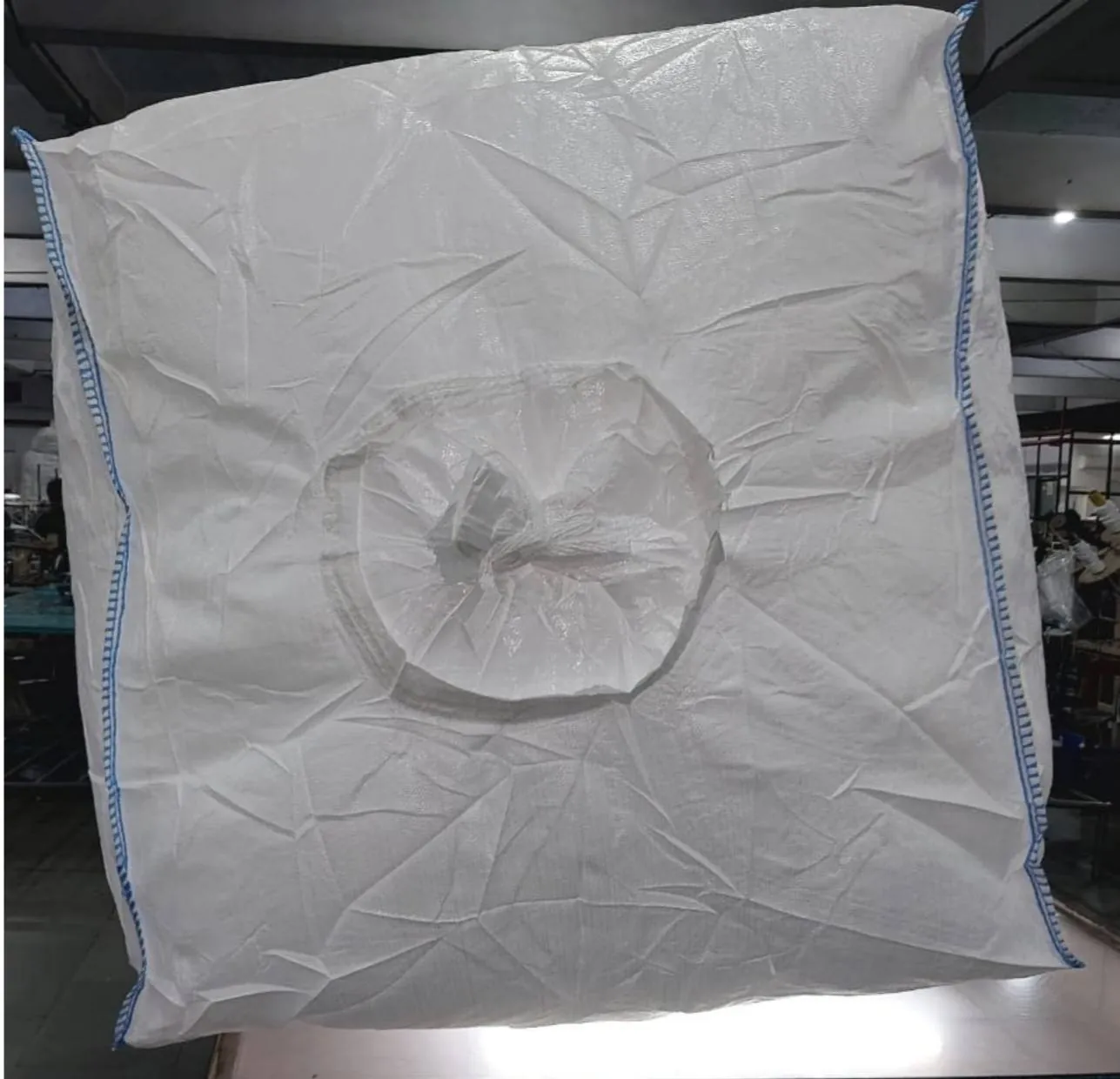
Fabric GSM is the biggest lever after resin: a 90x90cm bag at 140 GSM versus 160 GSM differs by roughly 12-14% in fabric consumption, and GSM is where confused specs quietly create price gaps — always compare quotes at identical GSM. SWL and safety factor come next: 5:1 is the standard single-trip rating, 6:1 for multi-trip and UN-certified hazardous-duty bags, and the certification and testing behind a UN bag is a real adder. Construction follows: four-loop standard bags cost less than spout-top/spout-bottom discharge bags, duffle tops cost less than skirt tops, and baffles (which hold square shape for container efficiency) add both material and making. Liners are a clean adder — form-stable and shaped liners cost more than simple tabular ones — and UV treatment level (1% for indoor, 2-3% for outdoor storage in high-UV geographies), conductive Type B/C/D options for combustible dust, and food-grade or clean-bag production each carry defined premiums. Printing is nearly free in the bag's economy: one or two colours costs marginally more than unprinted.
Indicative price logic for 2026
Rather than pretend prices are static, here is the honest band structure we quote against as of late 2026, all FOB India and all dependent on the resin index on the day: standard four-loop 1-tonne bags in the 150-180 GSM range price in the $1,250-1,700 per tonne band; UN-certified and 6:1 multi-trip constructions run 10-25% above standard; liners add roughly $0.40-0.90 per bag depending on micron and form; and container-size, baffle and conductive options move within the bands you can verify by asking any factory the same three questions — what resin index is this quote based on, what GSM exactly, and what safety factor. If a quote is dramatically under the band, one of those three is lying, and it is usually the GSM.
Comparing quotes like-for-like
The checklist that prevents bad awards: fix the spec sheet first (dimensions, GSM, SWL, SF, loop count and height, top and bottom construction, liner, UV, print), then demand weights — ask each supplier for the actual fabric weight per bag and weigh samples on arrival; GSM honesty is the whole game. Verify test documentation (SWL test certificates, UV exposure reports, UN certificates where applicable), confirm the safety factor in writing, and compare per-tonne, not per-bag. Our own quotes carry the full spec on the face of the document for exactly this reason — see the PP jumbo bag line and the U-panel FIBC range for how the specs read, and our guide on verifying an Indian FIBC supplier covers the audit side of the same discipline.
Frequently Asked Questions
Why did my FIBC price change between quotes?
Resin. PP is 60-70% of bag cost and tracks the crude-propylene chain, so quotes move with the index. Serious suppliers date-stamp quotes and lock prices for 30-60 days.
Is per-bag or per-tonne pricing better?
Per-tonne, because it normalises GSM differences — two bags of different fabric weights become comparable amounts of polymer. Per-bag pricing hides GSM gaps unless you weigh samples.
How much does a liner add?
Roughly $0.40-0.90 per bag FOB depending on micron, material and form — tabular liners at the low end, form-stable shaped liners at the high end.
What makes a UN-certified bag cost more?
The 6:1 safety factor construction, certified testing per design type, and the documentation overhead — typically 10-25% above a standard 5:1 single-trip bag.