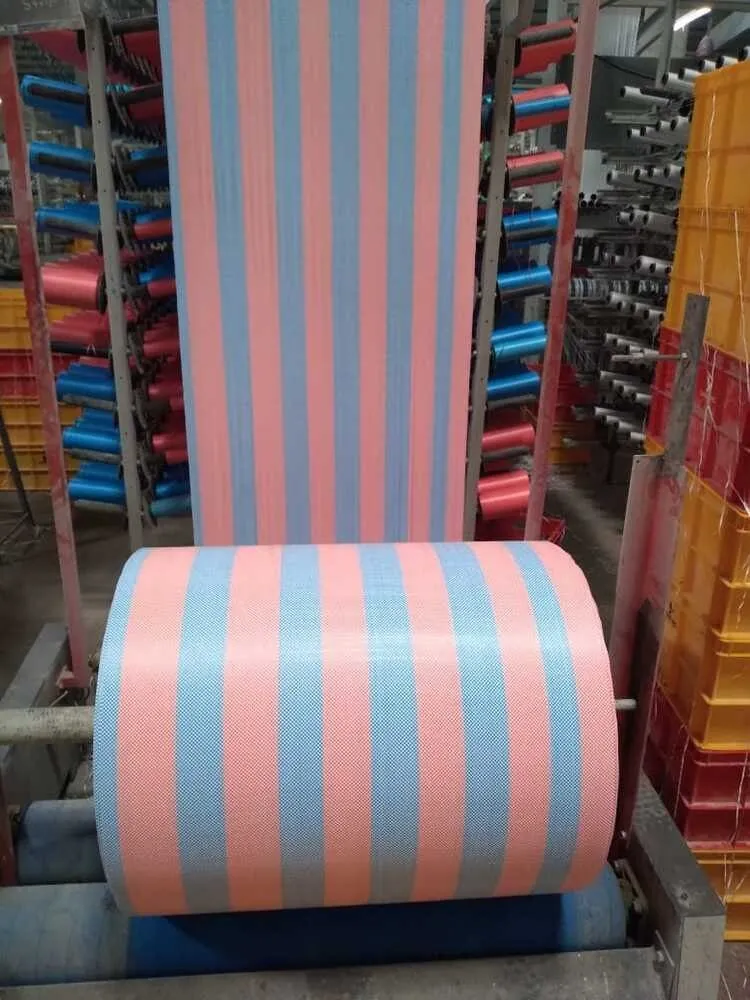
PP woven bags look commodity-simple until you order the wrong GSM for a 55 lb feed blend and the pallets arrive split. We weave polypropylene fabric every day and ship containers of woven sacks to US distributors, feed mills and packers, so this guide collects the questions we field most: which sizes American buyers actually run, how fabric weight maps to product weight, and where pricing lands this season.
Sizes US buyers order most
American packaging runs on pounds, and woven bag sizes follow. The steady sellers are 17x29, 18x30 and 19x33 inch bags for 40 to 55 lb fills, with 20x36 and 22x38 inch for 55 to 75 lb pet food and seed lines. Agricultural export specs still use 25 and 50 kg sizing. Gusseted bodies pack flatter on pallets; flat-tube bags cost a touch less and fill faster on manual lines.
GSM selection without guesswork
| Filled weight | Recommended GSM | Indicative FOB (per bag) |
|---|---|---|
| 20-30 lb | 60-70 GSM | $0.14 - $0.22 |
| 40-50 lb | 75-90 GSM | $0.20 - $0.32 |
| 55-75 lb | 90-105 GSM | $0.28 - $0.42 |
| UV-yard storage, add | +2% fabric | +$0.02 - $0.04 |
| Inside lamination, add | 25 micron | +$0.03 - $0.05 |
Tape denier matters alongside GSM. Most 50 lb class bags run 800 to 1,000 denier tapes; heavier 1,100 to 1,200 denier for pet food where drop resistance sells the bag. If bags will sit in an outdoor yard between filling and loading, pay for UV stabilization from the start. Recovery on a split pallet is always worse than the UV premium.
Container counts and landed cost shape
A 20-ft container holds roughly 150,000 to 220,000 units of 18x30 bags depending on baling pressure and gusseting; 40-ft high cube loads approach half a million on lighter specs. Freight from Mundra to NY/NJ or Savannah has been running $2,500 to $5,500 per box depending on the quarter, which spreads to well under three cents per bag on a full 40-ft. Duty on woven polypropylene sack classifications sits in the low single digits for most lines; confirm your HTS with the broker. Realistic pipeline: 3 to 4 weeks production, 4 to 6 weeks ocean, one week customs and drayage.
Three checks before you approve a sample
Fill three bags to your working weight and drop them from waist height onto a concrete corner, twice. Check seam stitching; a double-chain stitch with proper backstitch at the corners is what keeps 50 lb fills from creeping. And run the print: on white opaque fabric, colors land close to proof; on natural fabric, expect slight tone shift unless we print a white flood first.
Common questions
Flat tube or gusseted, which ships better?
Gusseted palletizes about 8-12% denser and stands straighter on retail floors. Flat tube wins on filling speed for agri product. We quote both from the same fabric lot so pricing stays comparable.
Can woven bags be food contact?
The polypropylene tape itself meets FDA 21 CFR 177.1520 for olefin polymers, but most food packers add an inner poly liner and treat the weave as secondary packaging. Tell us the product and we will spec the structure honestly.
What is the minimum for custom print?
One 20-ft container for a dedicated print run. Sample quantities with generic print ship air in a week for line trials.
Full size charts and options are on our PP Woven Bags and Rolls page. For branded product, see how custom printed woven bags work, or compare with BOPP laminated bags for photo-grade branding.