Recycled content is no longer a niche question - sustainability targets, cost pressure and regulation all push buyers toward recycled PP and HDPE bags. The honest position: recycled material is a legitimate engineering choice with known trade-offs, not a moral upgrade or a hidden defect. This guide maps those trade-offs so spec decisions protect the cargo while meeting sustainability goals.
What Changes with Recycled Input
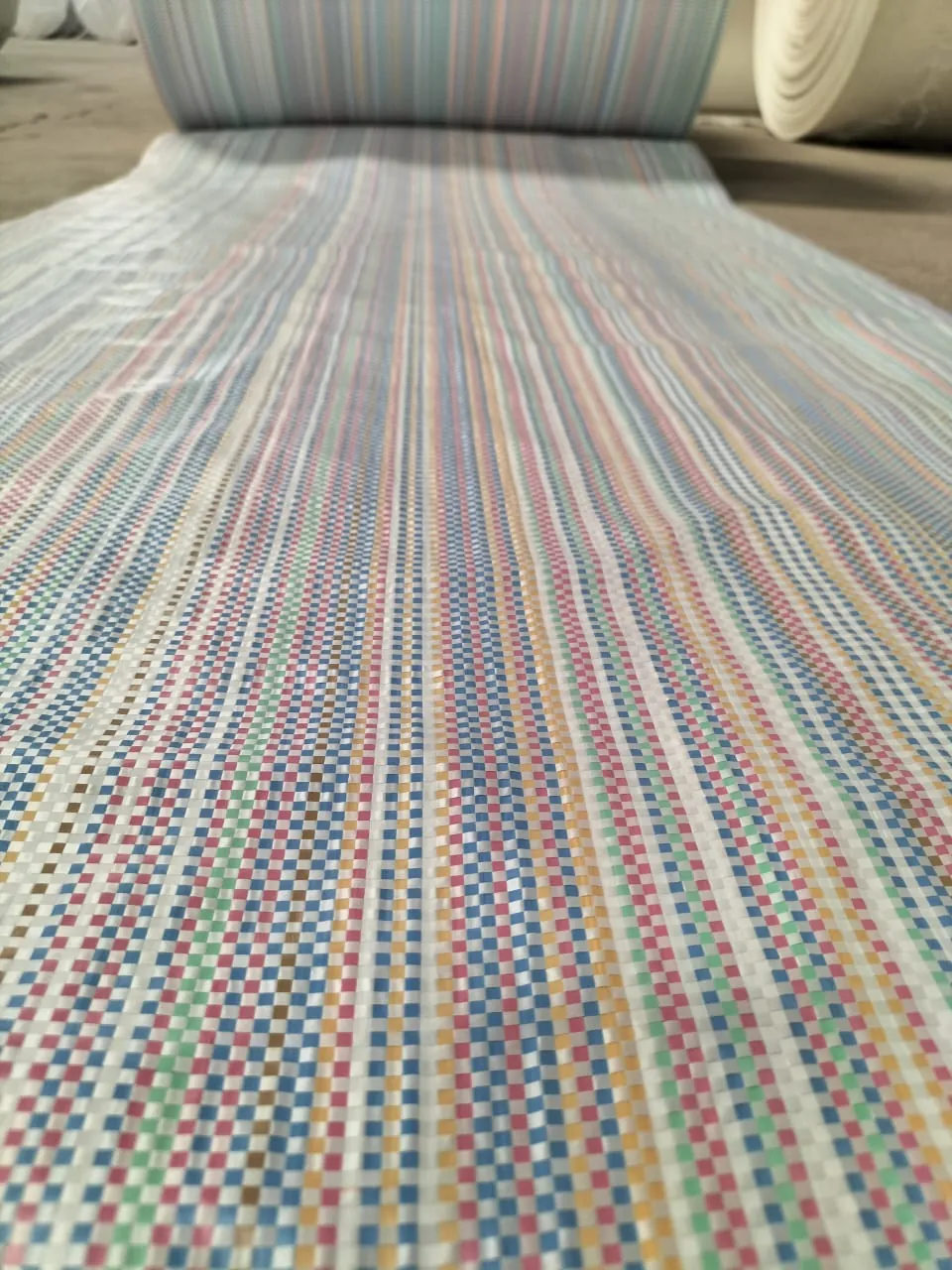
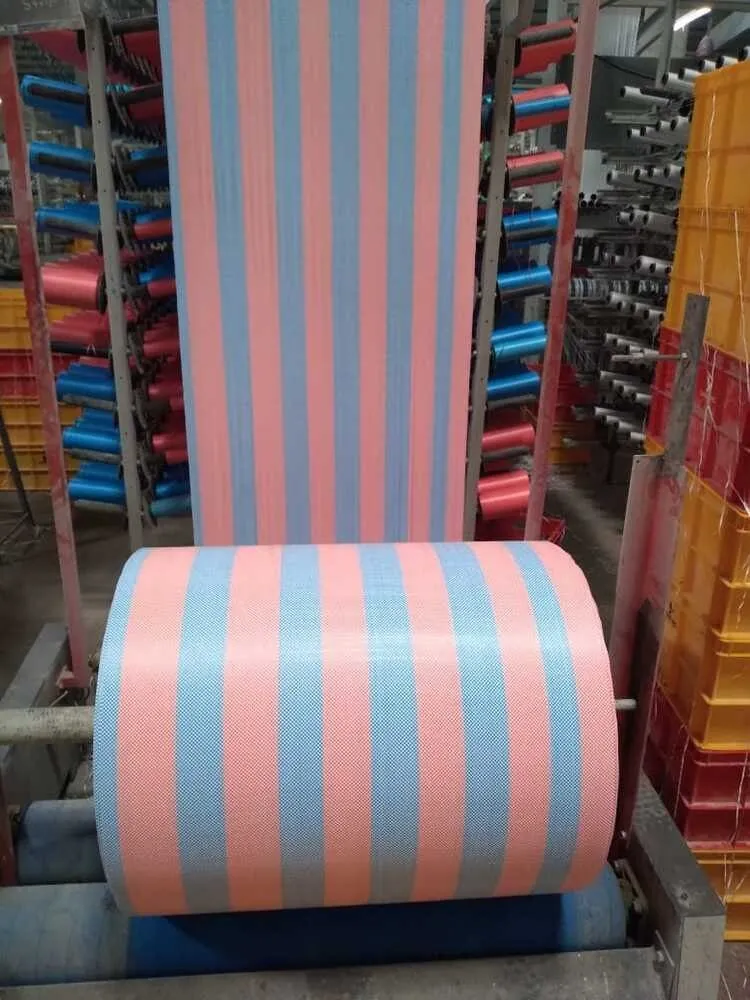
Each reprocessing cycle shortens polymer chains, so recycled resin typically carries somewhat reduced and more variable mechanical performance versus virgin. In woven tapes this shows as modest strength variance and occasionally duller or less uniform appearance. Managed well - through blending ratios and tighter QC - recycled blends serve industrial cargo reliably. Managed poorly, they produce the inconsistent bags described in our quality-risk discussion, which is why supplier process control matters more when recycled content enters.
Where Each Grade Belongs
- Food-contact and premium retail: virgin is the default; recycled input faces stricter constraints in food-contact law - verify current market rules before claims, per the framework in the compliance guide.
- Industrial cargo - minerals, construction fills, some fertilisers: recycled blends work well with proper specification.
- Multi-trip reuse sacks: err toward virgin or high-virgin blends since strength retention drives reuse economics.
- One-way export lots with tight budgets: engineered recycled blends can hit spec at lower cost - trial first.
Specifying Without Gambling
Do not order recycled content as a vague percentage. Specify the performance the bag must retain - fabric tensile, seam strength, print quality - and let the supplier choose the blend that meets it, documented on test reports. Require lot-level QC records; recycled streams need tighter control, and a supplier with in-house extrusion and testing can hold the line, as described in the audit guide. The sustainability framing and collection reality sit in the recyclability guide.
Frequently Asked Questions
Is recycled content cheaper?
Usually yes at equal nominal spec, but true cost includes variance risk - price the QC requirement into the comparison rather than comparing bare prices.
Can I print retail-quality graphics on recycled-fabric bags?
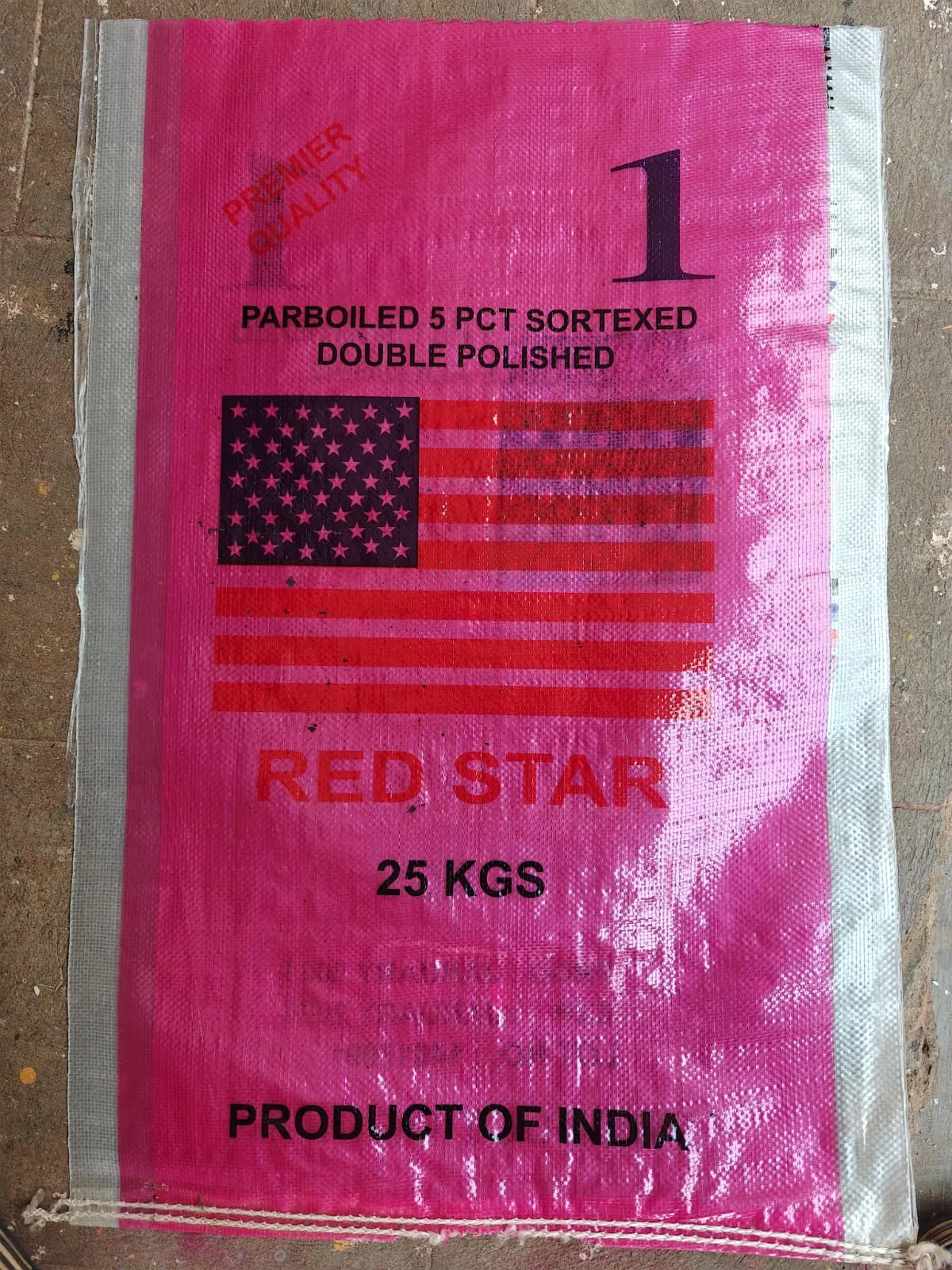
Surface quality varies more with recycled input; for photo-grade retail print, virgin fabric with BOPP lamination remains the safe route per the printing guide.
Does recycled content affect moisture performance?
The fabric barrier is similar; lamination and liners dominate moisture outcomes regardless of virgin or recycled base - construction beats resin on this axis.
Siddhii Global offers engineered recycled blends with documented performance alongside virgin constructions from Kalol, Ahmedabad. State the cargo and sustainability target and we will quote both paths with test data.
Documentation to Demand with Recycled Content
Recycled-content programs live or die on paperwork. Ask for: the blend declaration per production lot, retained-strength test results against the agreed spec, and - where your market requires it - recycled-content verification accepted by your scheme. Keep these with shipment files per the habits in the documentation guide, because sustainability audits arrive unannounced. A supplier who produces these documents without prompting is telling you something important about their process discipline - the same signal you would verify through the factory audit. Where claims will face public scrutiny, word them per the framing in the recyclability guide so they survive scrutiny as well as audits.