The PP woven bag is the world's default bulk sack - rice, flour, feed, fertilizer, chemicals, sand - and also the product where quality differences hide deepest in the fabric. Two bags with identical print can differ enormously in tape strength, weave density and seam construction, which only shows up when a pallet sags in a hot warehouse or a container arrives dusty. This guide sets out the specification set from the weaving floor up.
PP Woven Bag Specifications That Matter
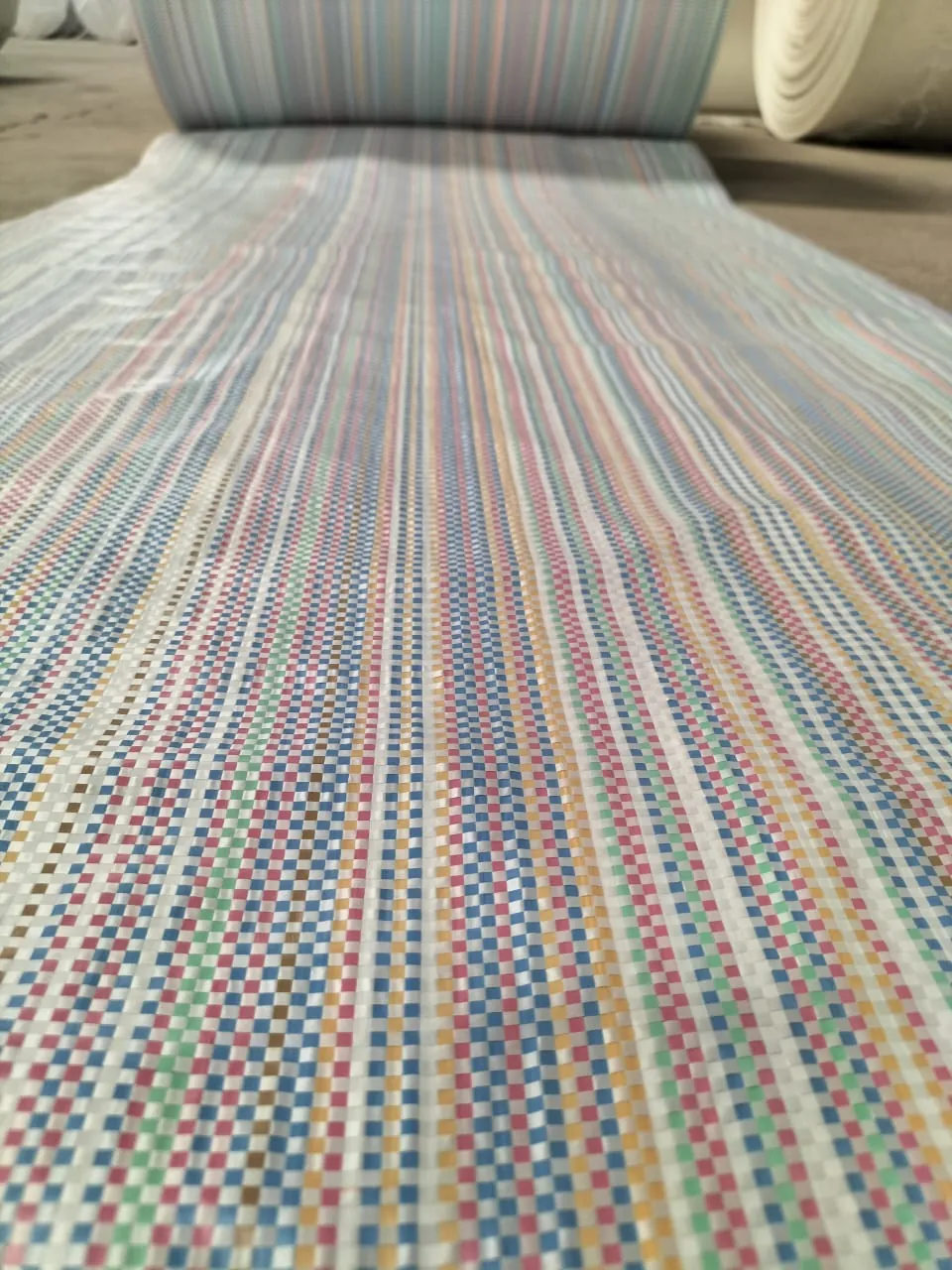
- Fabric GSM: 50-120 GSM woven PP. Light 50-60 GSM suits produce and light goods; 70-90 GSM is the 25-50 kg industrial standard; 100-120 GSM serves heavy fills and rough routes.
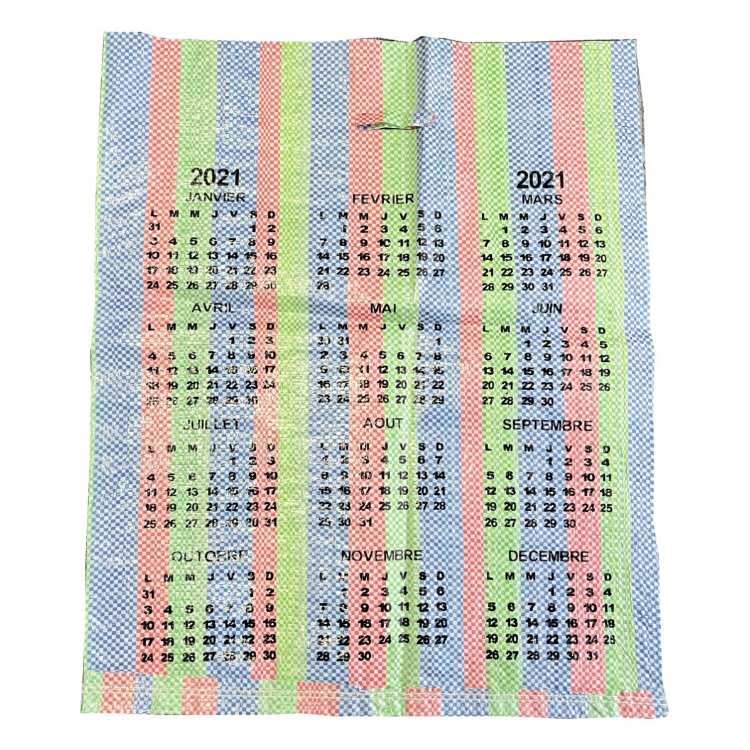
- Construction: tubular or back-seam bodies, bottom and mouth stitched, valve or open mouth, gusseted or flat.
- Surface: uncoated breathable, coated for moisture, or BOPP laminated for retail-grade print.
- Printing: flexo for one to three colour marks, rotogravure on laminated bags for photographic artwork.
- Liners and closures: PE liners for moisture-sensitive fills, tie strings, hemmed mouths - closure choice decides dust escapes more than fabric does.
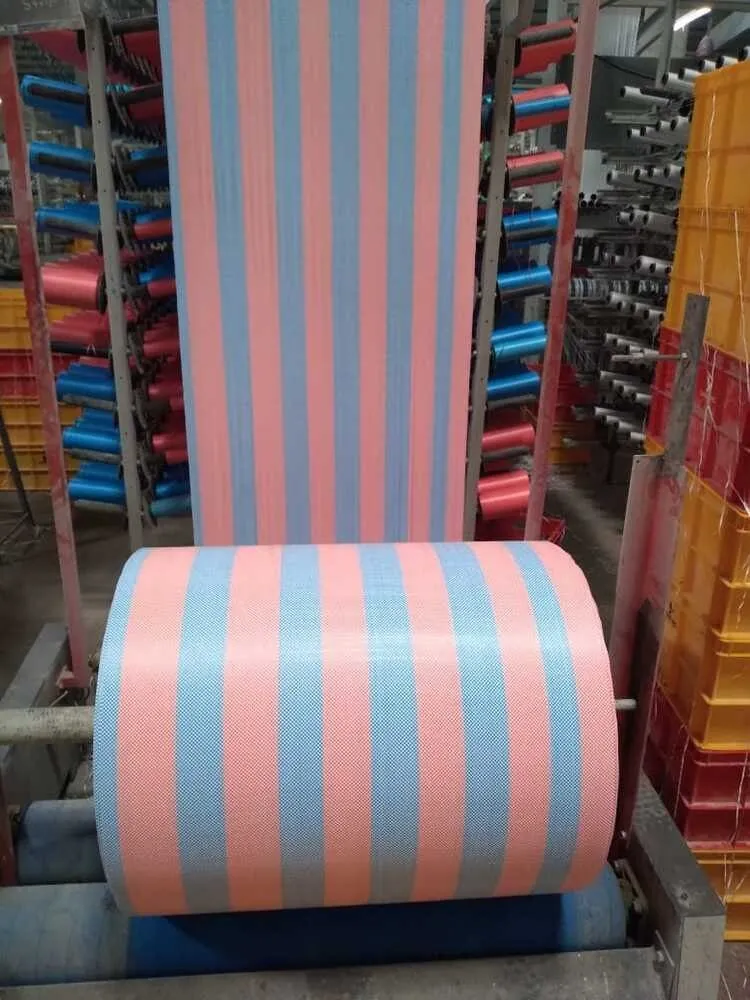
Construction options are on our PP woven bags product page, with fabric roll formats on our fabric rolls guide.
Where PP Woven Bags Fit
- Agri-commodities: rice, pulses, sugar and feed at export palletisation standards - the rice case is detailed in our rice export guide.
- Fertilizer and chemicals: coated bags with liners against humidity - moisture strategy is in our liner vs lamination guide.
- Construction materials: sand, cement-adjacent and aggregate fills on heavy GSM fabric.
- Retail consumer packs: laminated and printed bags where shelf presentation matters.
Capacity selection by kilo is tabulated in our weight capacity chart - the fastest way to right-size GSM before quoting.
Manufacturing and Quality Control
We control the full chain in-house: PP tape extrusion, circular weaving, lamination, printing and stitching. QC per batch records tape tensile, fabric GSM, weave density, seam strength and drop tests to declared loads. Because weaving and conversion live under one roof, GSM claims are traceable to production records - the difference between a mill invoice and a marketing claim. Export orders ship with specification sheets and pre-shipment inspection support.
How to Specify Your Order
Give us the fill (product, density, weight per bag), route and storage, print artwork and closure preference. We propose GSM, construction and surface, then confirm with sample bags from production fabric. MOQ starts at pallet quantities for standard sizes; container programmes run printed artwork with per-batch QC records. Lead time is typically 2-3 weeks after artwork approval - artwork, not weaving, is the usual schedule bottleneck.
Frequently Asked Questions
What GSM for a 50 kg bag?
70-90 GSM with correctly specified seams handles most 50 kg fills; sharp or dense products justify the upper range plus a liner.
Laminated bag or bag with liner?
Lamination blocks surface moisture and carries quality print; a liner controls humidity inside the fill - humid-route exports usually need both, and the trade-offs are costed in our guides.
How many bags fit a 20-foot container?
Depends on size, GSM and packing discipline - bale press packing versus loose cartons changes the count materially, and we provide the loading maths with quotations.
Siddhii Global manufactures PP woven bags and fabric rolls at its Kalol, Ahmedabad plant with full in-house weaving and printing. Send your fill, weight and artwork and we will quote bags with batch QC records, not just a price per piece.