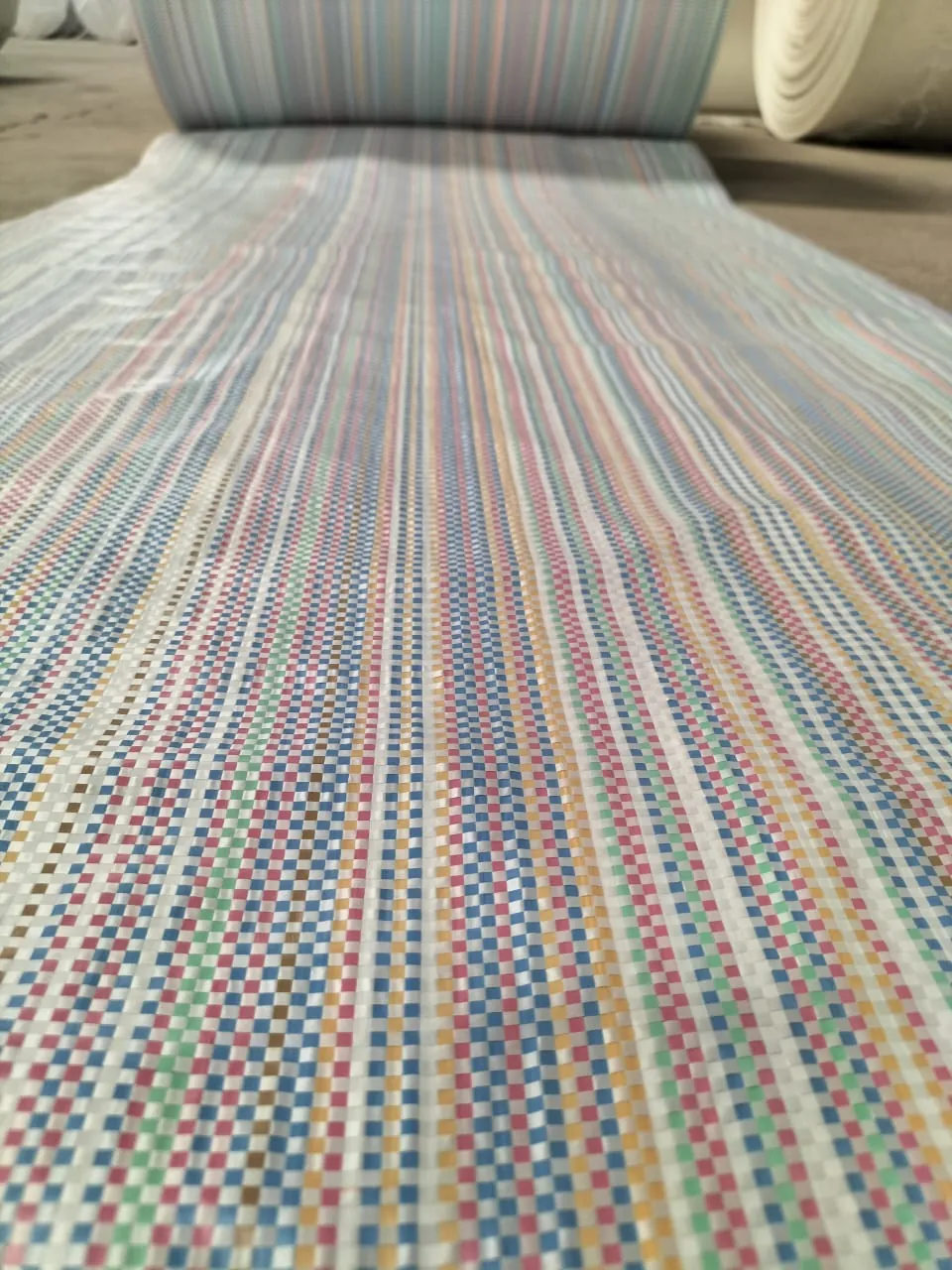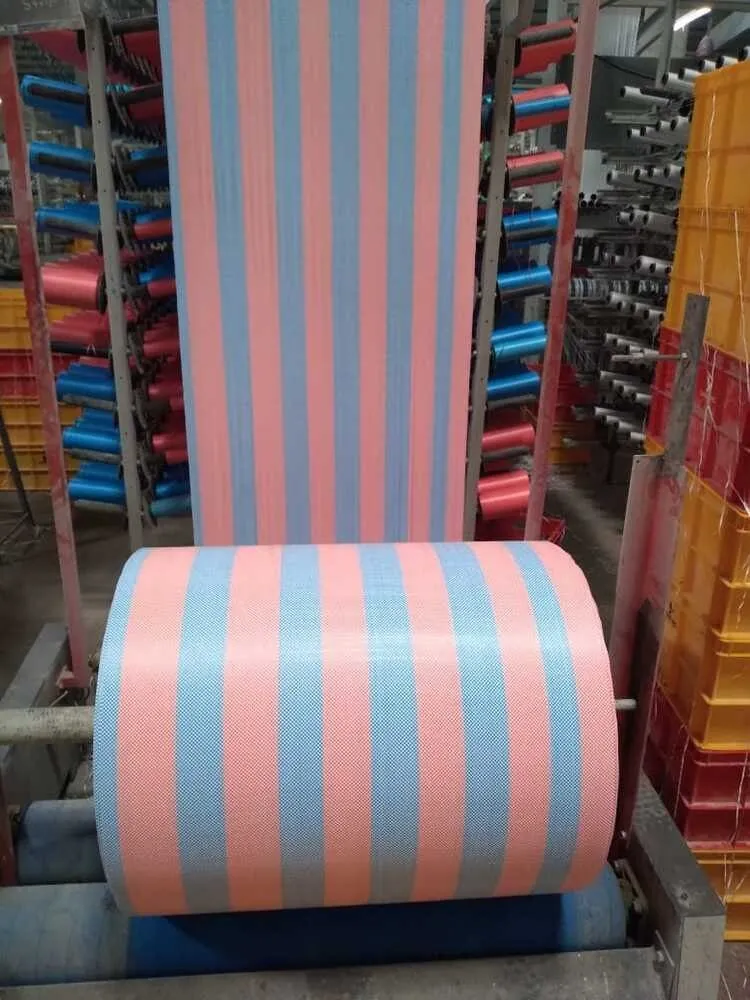
A growing share of buyers no longer want finished bags - they want fabric. Local converters print, slit, gusset and stitch rolls into bags for their own markets, keeping the conversion margin and the flexibility to serve many small customers. If that is your model, the fabric roll you buy must be specified differently from a finished bag: width, winding, treatment and tolerance become the critical parameters.
Width, Tube and Winding
Woven fabric leaves the loom as tube or flat roll. Converters choose width to match the bag sizes they cut, and a manufacturer who slits to your requested widths saves you a handling step. Winding quality matters more than buyers expect: a poorly wound roll telescopes, tears at the edge or feeds badly through print machines, wasting material at every splice. Ask for core size, roll weight limit and edge quality in the specification.
- Standard woven widths run from narrow webs to wide industrial tube; non-standard widths are normal production, not a favour.
- Laminated roll surface accepts print immediately; bare weave needs corona treatment first.
- Consistent GSM across the roll matters for print registration on high-speed lines.
Corona Treatment for Bare Fabric
Printing inks do not anchor well on untreated polypropylene - the surface energy is too low. Corona treatment raises surface energy so inks wet and bond. Treatment decays over weeks and months, so converters should match their print schedule to treated stock age; for long storage or distant shipping, ordering laminate-ready or re-treating locally may be more reliable. The printing paths are compared in our printing guide.
When Conversion In-House Pays
Converter economics work when volume, print variety and customer mix justify local machines: you carry fabric inventory instead of bag inventory, and one fabric width serves many bag sizes through slitting. The trade-offs are machine investment, waste management and quality control at conversion. Many regional distributors start with fabric rolls and basic stitching, then add printing later - a staged path that keeps capital light. Fabric stock planning should include the container loading logic in our loading guide, since rolls pack far more densely than finished bags.
Specification Checklist for Roll Orders
- Material: virgin or blended PP, or HDPE for stiffer UV-exposed use - see the HDPE fabric roll guide.
- GSM and tolerance band, tape denier class, weave density.
- Surface: bare, corona-treated or laminated - and treatment level if treated.
- Roll width(s), core type, maximum roll weight for your handling.
- Packing: baled or palletised, with moisture protection for sea transit.
Siddhii Global supplies PP and HDPE woven fabric in roll form from Kalol, Ahmedabad to converters across several continents - see the product range on our woven fabric page. Send your widths and GSM for a roll-form quotation with winding and treatment specs included.
Frequently Asked Questions
Can I mix GSMs in one container?
Yes - rolls from different production lots can ship together, which is one advantage of roll trade; confirm packing so each roll stays identified by lot for your QC.
Do laminated rolls print like paper?
Laminated surfaces print close to film quality, especially BOPP-laminated roll; bare treated fabric still shows weave texture. Match the surface to the artwork as explained in the printing guide.
What is the minimum order for custom widths?
Custom slitting usually rides on production runs; minimums are modest for common widths and discussed case by case - start with the MOQ guide.