Fine powders generate static as they move - filling, pouring and pneumatic transfer all charge particles, and a charged powder inside an insulating bag can build potentials that spark. In most cargo this is a nuisance; around flammable vapours or sensitive products it becomes a safety and quality problem. Static-safe woven packaging exists for exactly these cases, and specifying it correctly matters more than most buyers realise.
When Static Deserves Attention
Assess rather than assume: dry fine powders, low humidity environments, high transfer speeds and any flammable atmosphere in the filling area raise static risk. Product sensitivity - ignition-prone dusts, oxidisers - and workplace safety rules can make static management mandatory rather than optional. Where risk assessment says manage, the packaging layer joins the control set alongside grounding and handling practice.
Construction Options
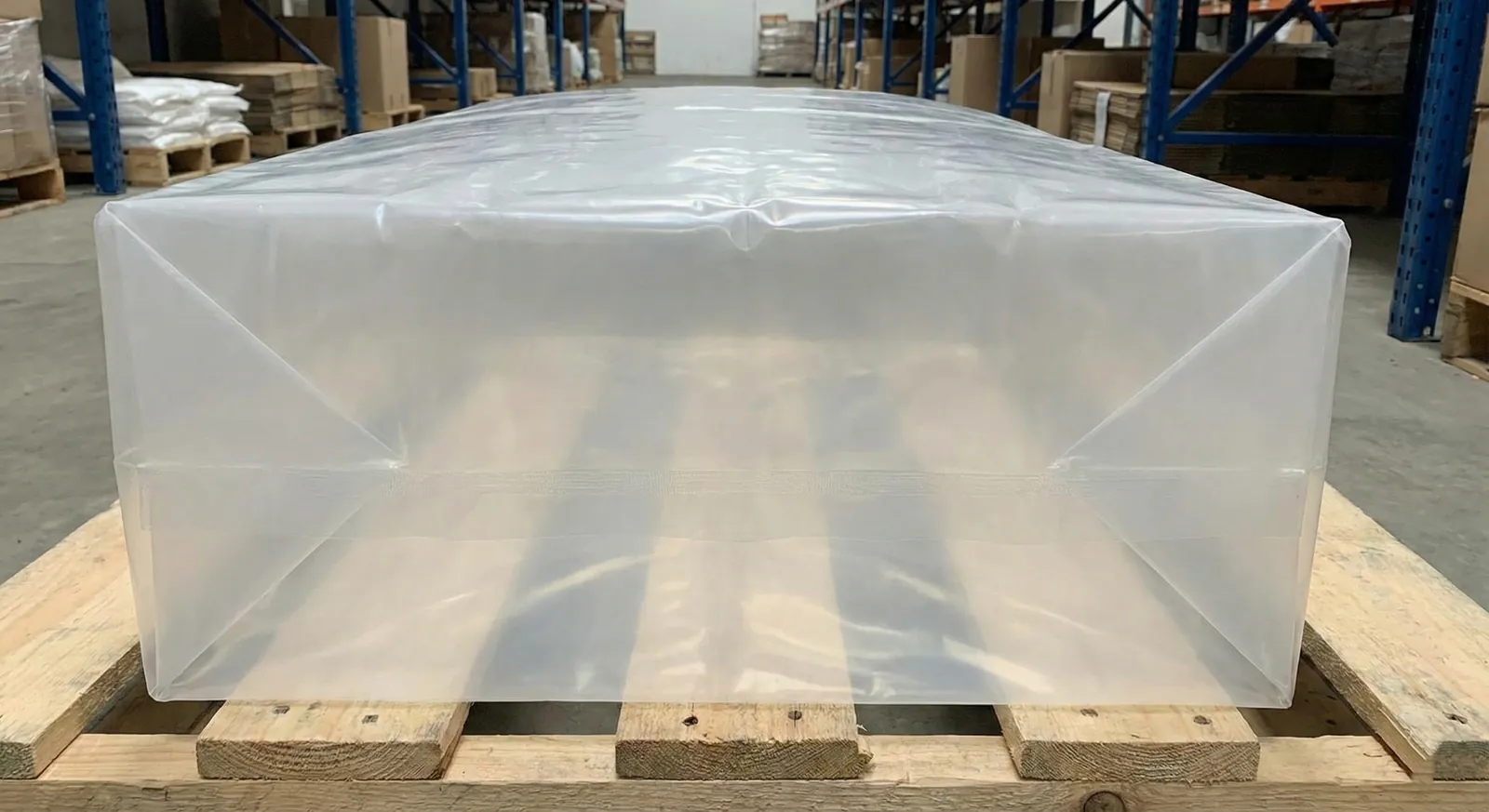
Static-safe woven packing typically works through the liner and surface paths: anti-static liners incorporate additives that dissipate charge, while more demanding applications use conductive constructions. The liner is the critical layer for powders - it contacts the product directly - so liner material, thickness and static performance travel together, per the liner selection logic in the moisture and liner guide. The chemical-cargo context and compatibility checks are in the chemicals guide.
Specifying Static-Safe Packing
- Start from a risk assessment of product and workplace - not every powder needs the upgrade, and over-specifying wastes money while under-specifying risks safety.
- Ask for documented static performance of the liner or construction, tested by a recognised method - vague anti-static adjectives are not specifications.
- Keep static performance through handling: grounded filling equipment, humidity awareness and trained handling complement the bag.
- For bulk-scale chemical powders, the same logic scales into FIBC with established static-type standards - the bulk version of this topic.
Frequently Asked Questions
Are anti-static bags reusable?
Static performance can degrade with wear and contamination; for critical duty, treat static spec as per-use and verify on reuse cycles.
Does a conductive bag need grounding?
Conductive constructions work as part of a grounded system - a conductive bag on an insulating surface defeats the design; integrate packing with workplace earthing.
Can ordinary woven bags be made static-safe cheaply?
Anti-static liners are the economical path for moderate risk; genuine conductive duty needs engineered constructions - match spend to assessed risk.
Siddhii Global supplies anti-static liner options and static-aware constructions for chemical powders from Kalol, Ahmedabad. Share the powder profile and workplace conditions for a risk-appropriate specification.
Workplace Controls That Pair With the Bag
Static-safe packaging works inside a static-aware workplace: grounded filling equipment and spouts, conductive or dissipative surfaces in the filling zone, humidity awareness since dry air accelerates charge build-up, and trained handling that avoids friction charging during transfer. The bag is one layer of the control set, not the whole answer - safety officers should pair the packing spec with the workplace controls and document both. For buyers consolidating chemical cargo, the wider construction context - compatibility, liners, compliance documents - is in the chemicals guide, and bulk-scale static management extends into FIBC types where established standards define the classes. When in doubt, ask the safety officer to define the required static performance before the packaging is quoted - retrofitting static specs after order placement is slow and costly.