The PP versus HDPE question decides more sheet purchases than any price list does. Both are polyolefins, both weld similarly, and both cost in the same neighborhood. The differences that matter: polypropylene handles higher continuous temperatures, resists a broader range of chemicals (acids and solvents especially), and stays stiffer under load; HDPE wins on impact toughness in cold weather and on cost. We extrude both, so when a fabricator asks which sheet fits the job, the honest answer comes from the application, not the product line.
Where PP sheet is the right call
- Chemical tanks and plating lines: PP's acid and alkali resistance is why galvanizing, plating and pickling shops run PP.
- Hot process equipment: continuous service at higher temperatures than HDPE tolerates.
- Laboratory and fume hood linings, battery boxes and electrical housings where chemical splash is routine.
- Structural parts needing stiffness: PP carries load flat; HDPE同等 thickness flexes more.
Formats and options
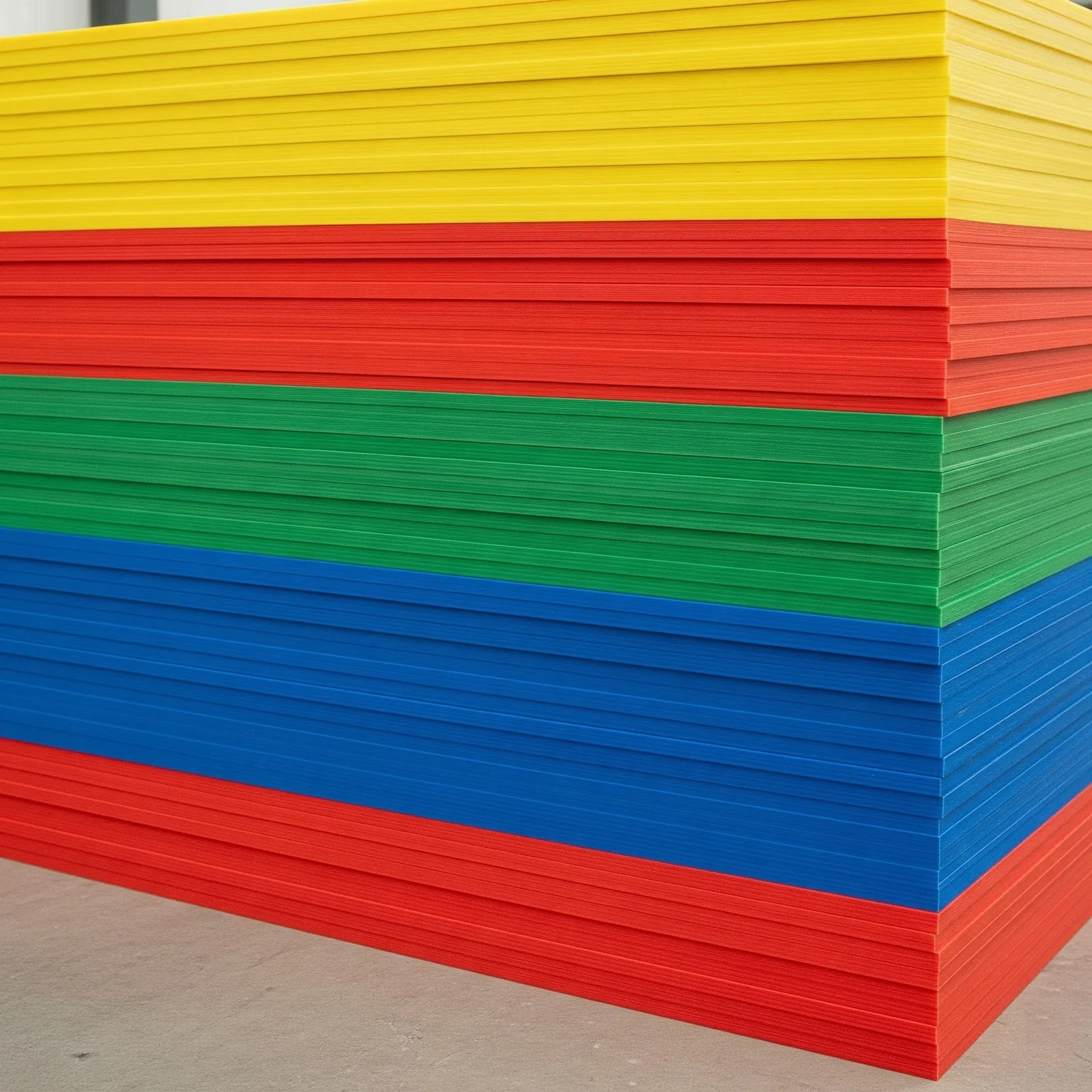
Sheet runs 1 mm to 30 mm and heavier in 4x8 and larger formats, black, natural and colors on volume. Homopolymer is the standard structural grade; copolymer trades some stiffness for impact at cold temperatures, a real consideration for outdoor Northern installs. Corrugated PP (fluted sheet) is a separate product for signage and protection; flat sheet is the fabrication material here.
Indicative pricing
| Format | Indicative FOB |
|---|---|
| 4x8 ft, 2 mm, natural | $30 - $52 |
| 4x8 ft, 3 mm, natural | $42 - $70 |
| 4x8 ft, 6 mm | $80 - $128 |
Containers weight out near 20 to 22 tons, and because sheet ships flat and nested, freight per sheet is predictable. Production is 2 to 4 weeks; ocean 4 to 6 weeks East Coast. Cut-to-size from our slitters is available when your nesting economics favor buying finished dimensions.
Fabrication behavior
PP welds beautifully with matching rod, which is why tank fabricators prefer it for chemical service; hot-air and extrusion welding both reach parent-strength joints with proper prep. It scores-and-breaks less forgivingly than HDPE on thin gauges, so CNC or panel saw work is the norm. Bending across a heat line works for boxes and trays, a common sheet-metal-style workflow PP adapts to well.
Fabricator questions
PP or HDPE for an outdoor enclosure?
Northern cold winters argue HDPE copolymer for impact; hot climates and chemical exposure argue PP. Tell us the environment and the load, and we will name one grade and stand behind it.
Does PP sheet come UV-stabilized?
Yes as an extrusion option; unstabilized natural PP chalks outdoors over time, so spec UV for any exposed install.
Thicknesses and grades are on the PP Sheets page. Compare with HDPE sheets, and for roll-form plastic see the BOPP film guide.