Australia consumes fewer bulk bags per head than the Gulf but pays more attention per bag, because the distances and the regulator both punish a failed specification. Grain handlers moving harvest from field to receival site, mining suppliers packing consumables and concentrate, and the construction merchants lining every growing suburb all buy one-tonne FIBC — and the buying decision usually comes down to UV life and biosecurity-clean shipping more than headline price.
The Australian specification conversation
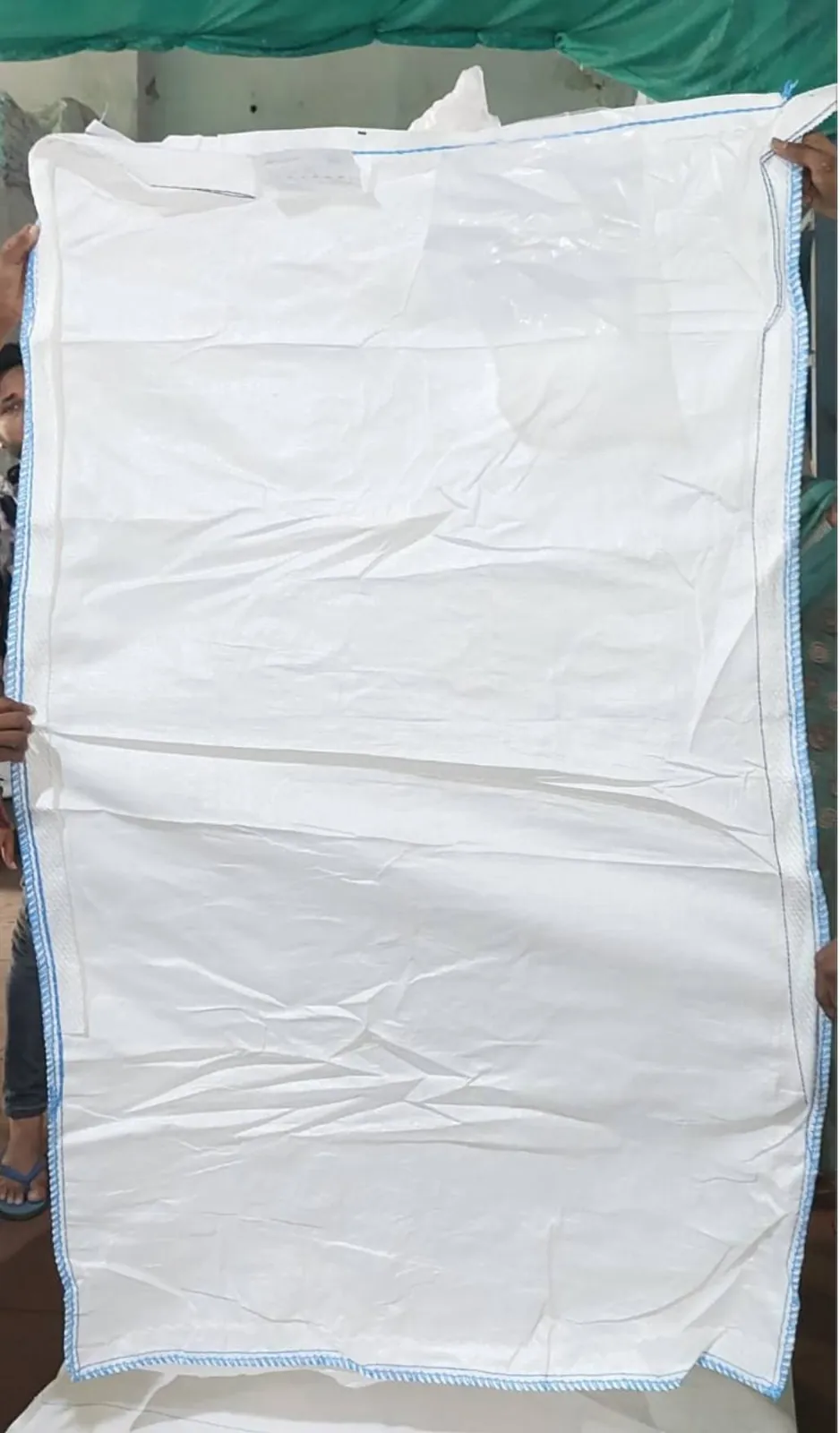
Three specs dominate. The grain and agri workhorse: 90 x 90 cm base, 1,000 to 1,500 kg SWL, top spout, flat or discharge bottom, uncoated fabric with a serious UV package — outdoor storage through an Australian summer is assumed, not exceptional, so we quote 12-month UV stabilization as standard for Australian orders. The mining and consumables profile adds coated fabric, liners where the product is hygroscopic, and sometimes conductive options for powders. The merchant profile for sand, gravel and garden products wants a heavy base panel and safe two-high stacking, which pushes buyers to U-panel construction with baffle options. Whatever the profile, AS/NZS-referenced test results and batch traceability are expected in the document pack, and we supply both.
Biosecurity and shipping to Melbourne, Botany and Brisbane
DAFF biosecurity is the part of Australian importing that surprises first-timers. Containers must arrive clean — no soil, seed contamination or plant debris on bag surfaces or pallets — and timber packaging must be ISPM 15 compliant. Our bales ship on heat-treated pallets, containers are swept and inspected before closing, and we photograph the empty container before loading because a biosecurity hold at Botany costs more per day than the bags themselves. Transit from Mundra to Australian east-coast ports runs about 14 to 20 days, and most quotations are CIF Melbourne or CIF Sydney with GST and duty handled on your side — duties on woven PP sit low, and your broker will confirm the exact rate for the current tariff.
How Australian stockists actually buy
The successful pattern is two or three containers a year against a fixed spec, warehoused in Melbourne, Sydney or Brisbane, with call-off timing set before harvest or construction season peaks. Because the shipping lead time is long by Gulf standards, the difference between a calm season and a crisis is whether the agreement reserved production slots. We reserve them for contract customers, hold retained samples per batch, and support new buyers with pre-production samples for yard testing before the first full container commits.
Frequently Asked Questions
How much UV life do Australian outdoor conditions need?
We recommend the 12-month package as standard for Australia; it carries a real cost premium over 6-month grades but eliminates the sunbrittled-bag claims that show up when cheap fabric meets a long summer.
What does biosecurity compliance require from your side?
Clean containers, ISPM 15 pallets, swept and photographed loading, and accurate declarations — our export pack includes the photos and declarations your broker files with DAFF.
What MOQ suits a first Australian order?
500 pieces for standard specs, 1,000 for printed or lined bags; a half container is a common first step before the full-container agreement.
Can you print with our brand and bag-weight markings?
Yes, up to four colours including the SWL and tare markings merchants are required to display.
Specs, liners and UV packages are on the PP Jumbo Bags (FIBC) page. For stacking and warehouse behaviour read why U-panel FIBC bags are the global standard, and for the supplier-audit checklist see verifying an Indian FIBC supplier.