Saudi Arabia's converting sector — sack manufacturers, tarpaulin makers, FIBC producers and laminators — buys woven fabric by the tonne, and the domestic loom capacity does not meet the tonnage. The gap is filled by imports, and India's Gujarat loom belt is the largest supplier on the corridor. We weave PP and HDPE fabric at our Kalol plant and ship rolls to Saudi converters on monthly programs; this page covers the import specifics, starting with the classification question that decides your duty line.
What Saudi converters order
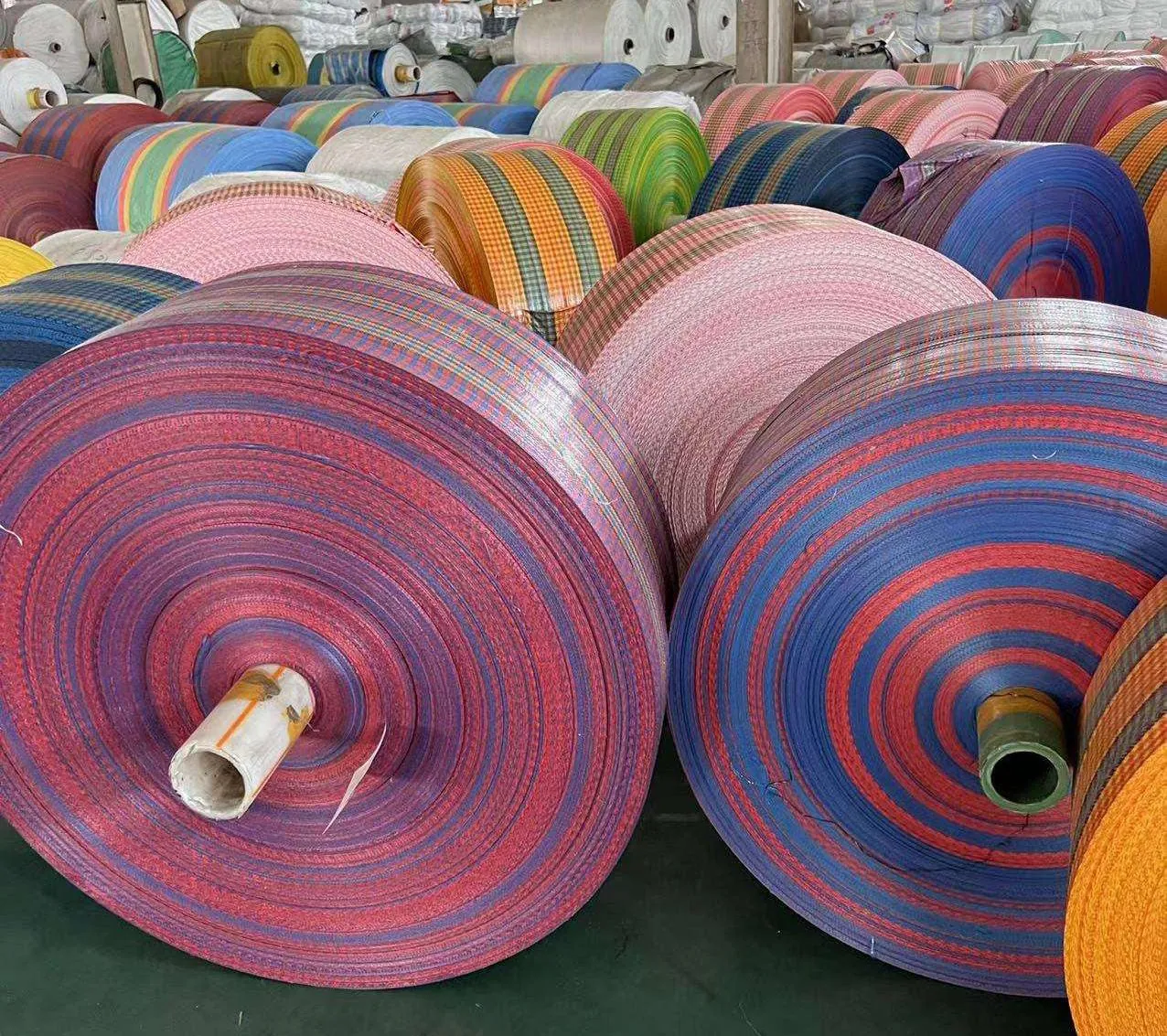
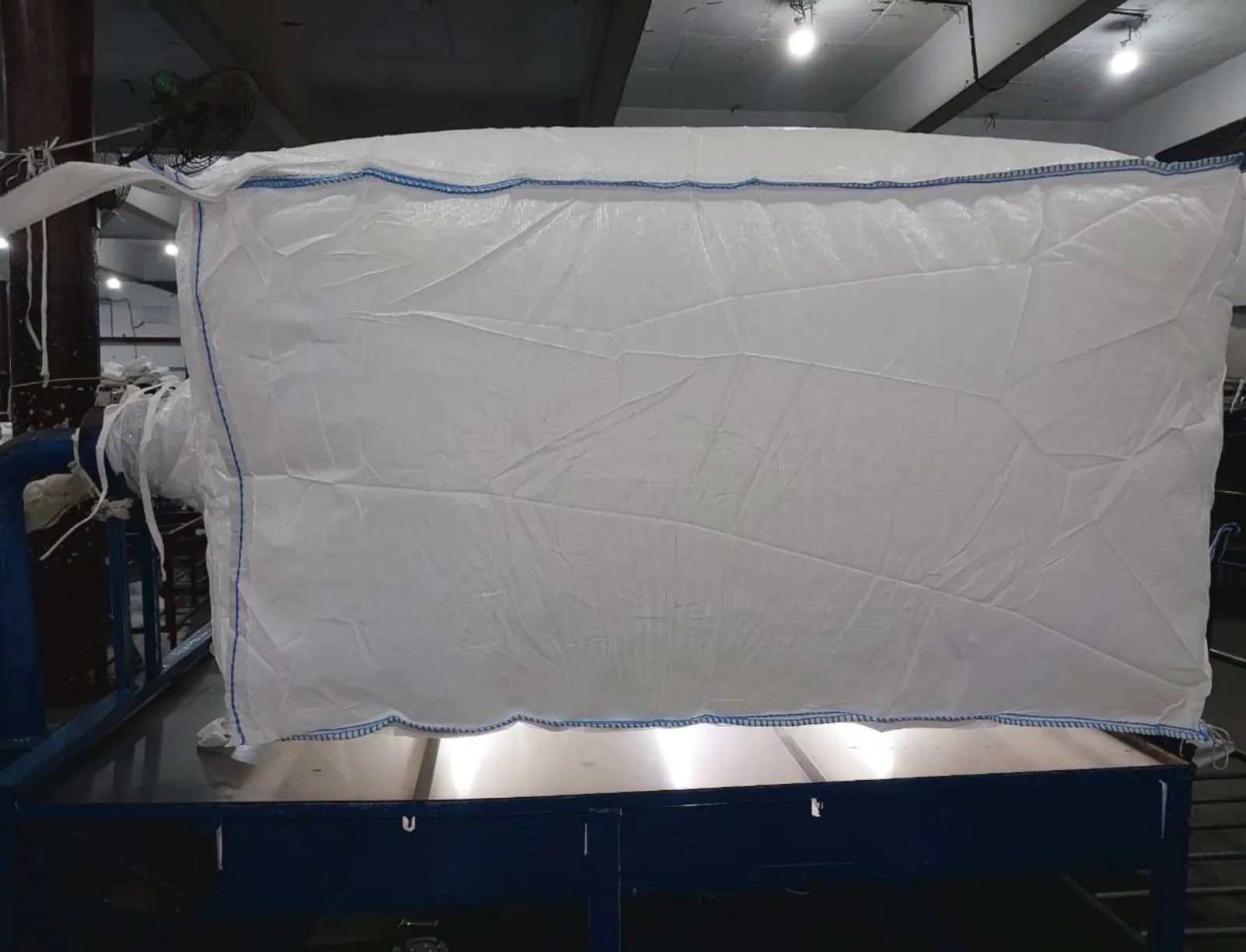
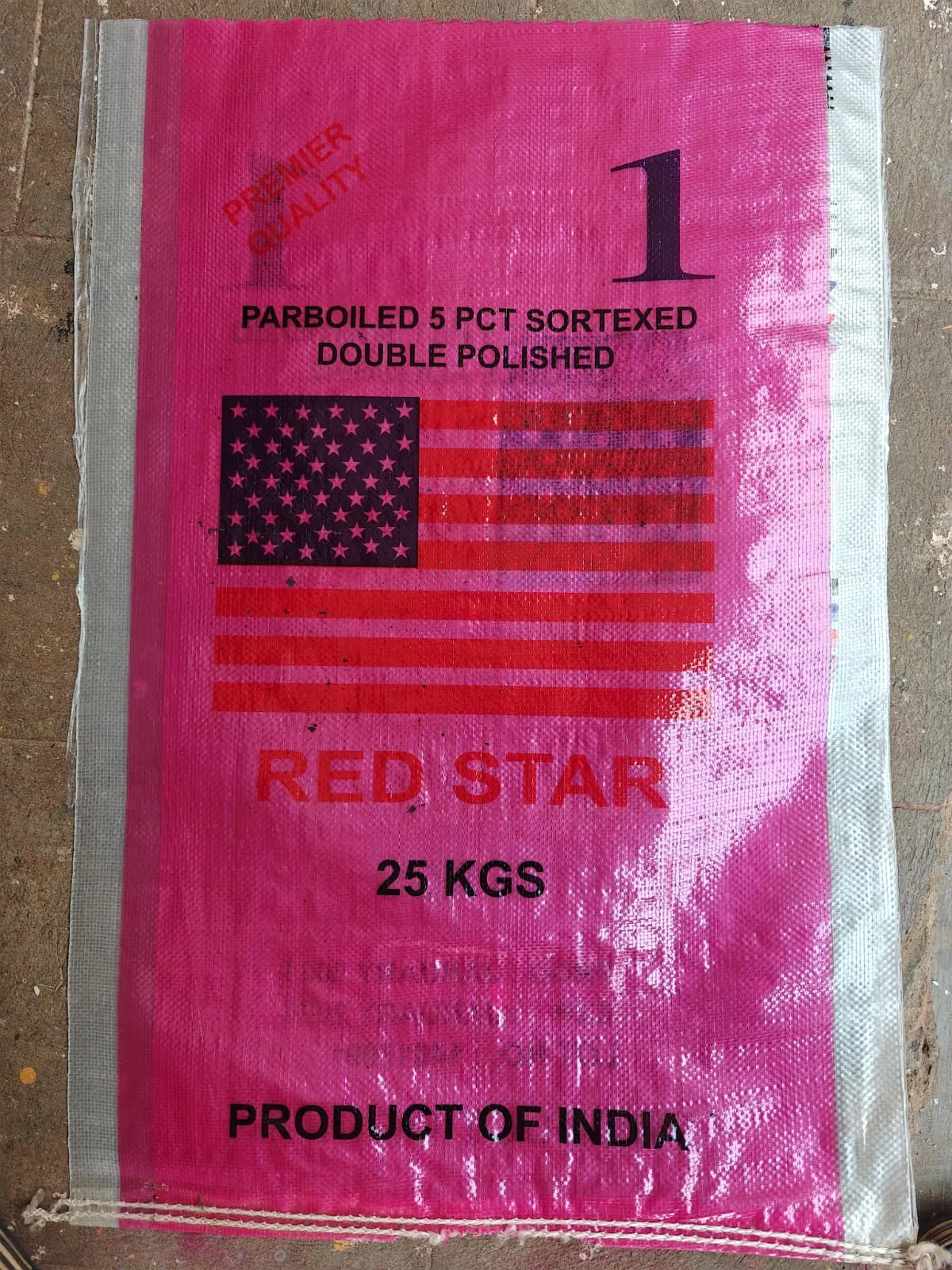
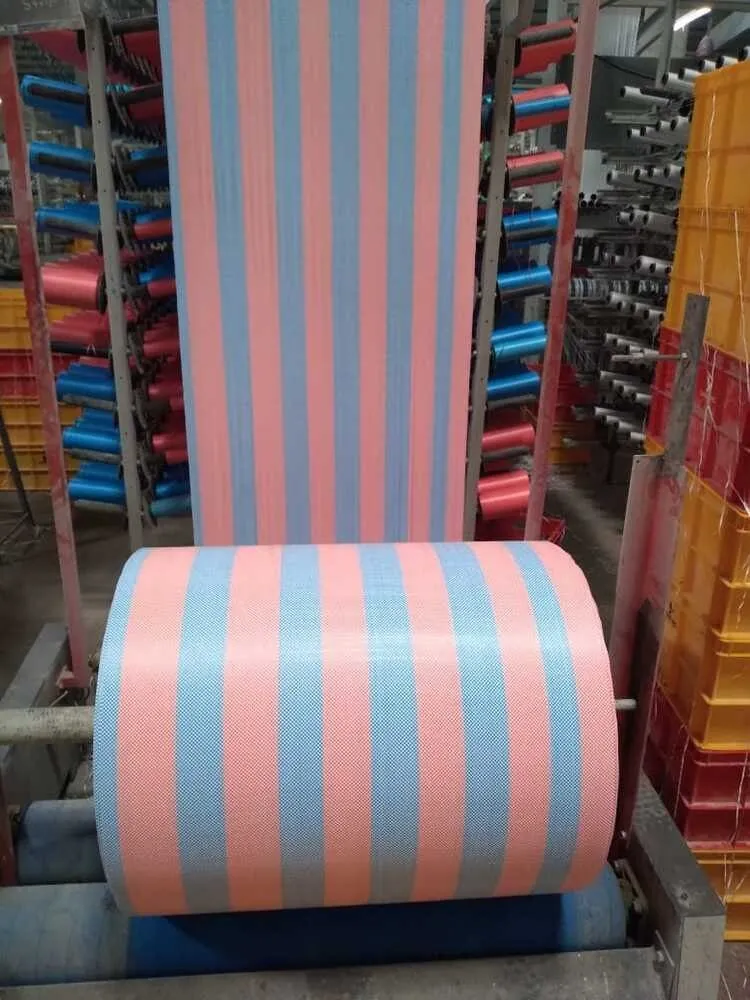
The core product is woven fabric in rolls: tubular and flat constructions from 60 to 200 GSM, widths from 700mm to 2000mm (tubular expressed as folded width), in natural, white and coloured runs, UV-treated for outdoor exposure and lamination-ready with corona treatment where printing or lamination follows. Sack converters buy 70-110 GSM tubular for rice, flour and feed sacks; tarpaulin makers take 100-200 GSM with heavier UV packages; FIBC producers source wider flats and tubulars for body fabric; and the liner and geo segment buys lighter constructions. Consistency is the converter's whole demand: GSM and denier held within window across the roll and across the shipment, because a fabric that drifts 10 GSM between batches turns into a downstream weight or strength complaint at their customer. We test per batch and stamp GSM on every roll — the small discipline that keeps Saudi converting lines scheduled.
Classification: the 3920 vs 5407 question
Woven plastic fabric has a famous classification fork: strips up to 5mm flat width weave as textile-strip fabric (HS 5407 for PP), while wider-strip and slit-film constructions fall under plastics (HS 3920 family). The duty difference is small — Saudi customs lands most consignments at 5% to 6.5% CIF either way — but the code on the entry must match the goods, and clearing agents resolve it from the fabric construction. VAT at 15% applies at import regardless, and it is the bigger line on the costing sheet for a VAT-registered converter who reclaims it. Where the fabric feeds regulated end products, SABER conformity follows the finished goods rather than the input fabric in most cases — your importer confirms the line, and we supply the technical file either way.
Route, ports and lead times
West Coast consignments run Mundra to Jeddah Islamic Port in four to seven days — the natural corridor for Indian fabric rolls; Eastern Province converters clear at King Abdulaziz Port in Dammam, typically transhipping via Jebel Ali and adding about a week. Clearance takes two to five days once documents are ready. Fabric ships as dense rolls — a 40-foot container takes 20-24 tonnes, and fabric is among the best weight-per-cube cargoes in our export book. Production runs 10 to 15 days for standard constructions and colours, longer for UV-heavy or lamination-ready programs. First orders land in four to six weeks door to door; converter programs on standing specs run monthly like clockwork, which is exactly how the trade prefers it.
Documents and terms
Invoice, packing list, certificate of origin, bill of lading and batch test reports (GSM, denier, tensile, UV package where specified). FOB Mundra and CIF Jeddah or Dammam are routine, DDP for converters quoting landed costs into their own tenders. Related sourcing: our woven fabric product page lists constructions and GSM bands, the PP woven bags and rolls line shows the finished-goods end of the same looms, and our guide to importing FIBC jumbo bags from India covers how the wider woven family ships to other markets.
Frequently Asked Questions
Tubular or flat fabric?
Sack converters buy tubular to skip a stitching seam; FIBC and tarpaulin makers buy flat for panel cutting. Tell us the end product and loom width — we quote the right construction.
What is the duty and VAT?
5% to 6.5% customs duty depending on the HS line (3920 vs 5407 fork resolved by construction) plus 15% VAT, reclaimable for VAT-registered converters.
Do you supply lamination-ready fabric?
Yes — corona-treated rolls for lamination and print, with surface-tension verification on the batch report. It saves the converter a treatment pass and improves lamination bond.
How long is the lead time?
Production 10 to 15 days, ocean 4 to 7 days to Jeddah (transhipment adds a week for Dammam), clearance 2 to 5 days. Plan four to six weeks door to door on first orders.