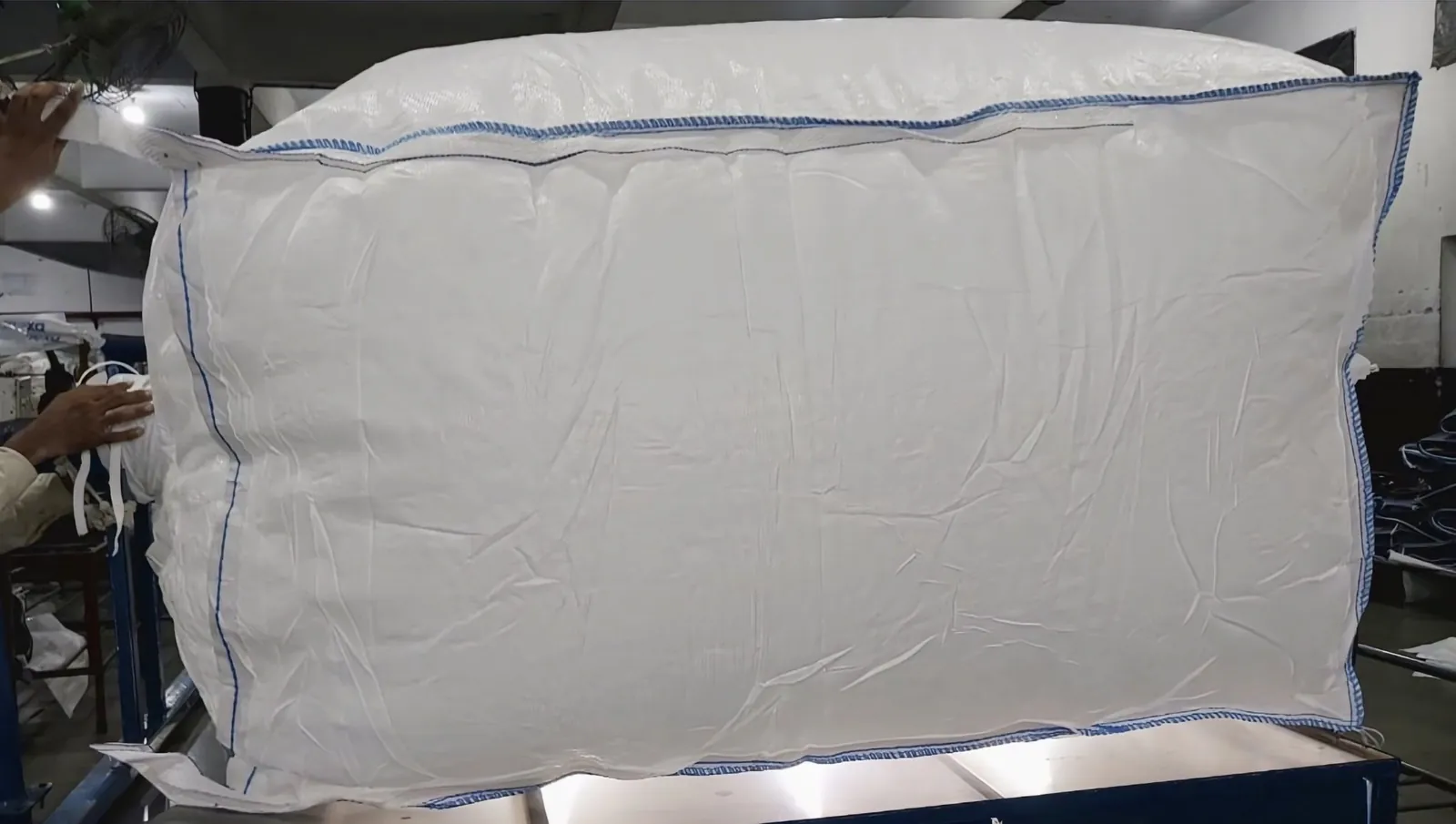
The first order is the one that sets the relationship, and for U-panel FIBC into Qatar the first order goes smoothly when three things are decided before the vessel sails: the tariff line, the incoterm and the arrival inspection routine. This walks through all three for Doha-area buyers — packers, traders and warehouse operators who need the square construction for stacking or premium cargo.
Classification, duty and documents
U-panel bags of polypropylene tape classify under HS 6305.33, same heading as any FIBC of woven PP tape — construction type does not change the tariff code, so the duty conversation is the standard GCC band of around 5%, confirmed with your broker against the current tariff before booking. The document set is commercial: commercial invoice with a precise goods description, packing list with bale counts, bill of lading, certificate of origin, and the batch test reports we issue as standard. Buyers whose cargo chain needs proof of performance add the UV certificate and, where relevant, liner food-contact declarations. Quotations run FOB Mundra or CIF Hamad Port — CIF fixes the freight at booking, which most first-time importers prefer because the landed cost is known the day the order is placed.
Transit and lead-time arithmetic
Mundra to Hamad Port runs four to six days on the Gulf services — short enough that production, not shipping, is the long pole. New orders take about three weeks of production, so plan five to six weeks from purchase order to Doha warehouse. Repeat call-offs against reserved capacity run shorter because the resin and the line time are already planned. A 40 foot high cube carries 5,000 to 7,000 standard one-tonne bags as pressed, palletised bales; baffled and lined specs reduce that slightly and the confirmed count is on the packing list before the container closes.
The arrival inspection that protects you
One hour at the warehouse on arrival day buys a clean contract for years: count bales against the packing list before release, cut one bale and check print, dimensions and fabric weight against the approved sample, match the batch certificate to the shipment, and file the test pack with the contract. If anything is off, the claim verifies against retained samples we hold for the life of the agreement — the process is designed so a rare discrepancy stays a claim, not an argument. Buyers who skip this step are the ones who discover a print error on filling day, which is the most expensive possible moment.
Frequently Asked Questions
What duty applies to U-panel FIBC in Qatar?
The standard GCC band of around 5% on HS 6305.33 at the time of writing — construction type does not change the tariff line, so the duty matches any woven PP bulk bag.
CIF Hamad or FOB Mundra for a first order?
CIF Hamad Port — the landed cost is fixed at booking and the document set arrives consolidated, which is the cleanest path for a first shipment.
How many U-panel bags fit in one container?
Between 5,000 and 7,000 standard one-tonne bags depending on GSM, with baffled and lined specs confirmed exactly on the packing list at order confirmation.
What happens if the arrival inspection finds an issue?
The claim verifies against retained samples within days, a replacement production slot is reserved while it resolves, and the batch reports tell everyone exactly which lot was affected.
Specs and options are on the U Panel FIBC Bag page. For the wholesale pricing picture read the U Panel wholesale guide for Saudi Arabia, and for the pre-order vetting see the mistakes FIBC importers make from India.