German industry runs on liners — box liners for the chemical and food trades, drum liners for liquids and pastes, machine and container liners for logistics, and the coloured variants that keep product families separated on a warehouse line. The domestic base supplies some of it; tonnage pricing and the gauge range pull the rest into imports, and India is the competitive origin on both. We manufacture LDPE and LLDPE liner bags at our Kalol plant in Gujarat and supply German distributors and industrial end users by the container; this page covers what the import involves.
What German buyers order
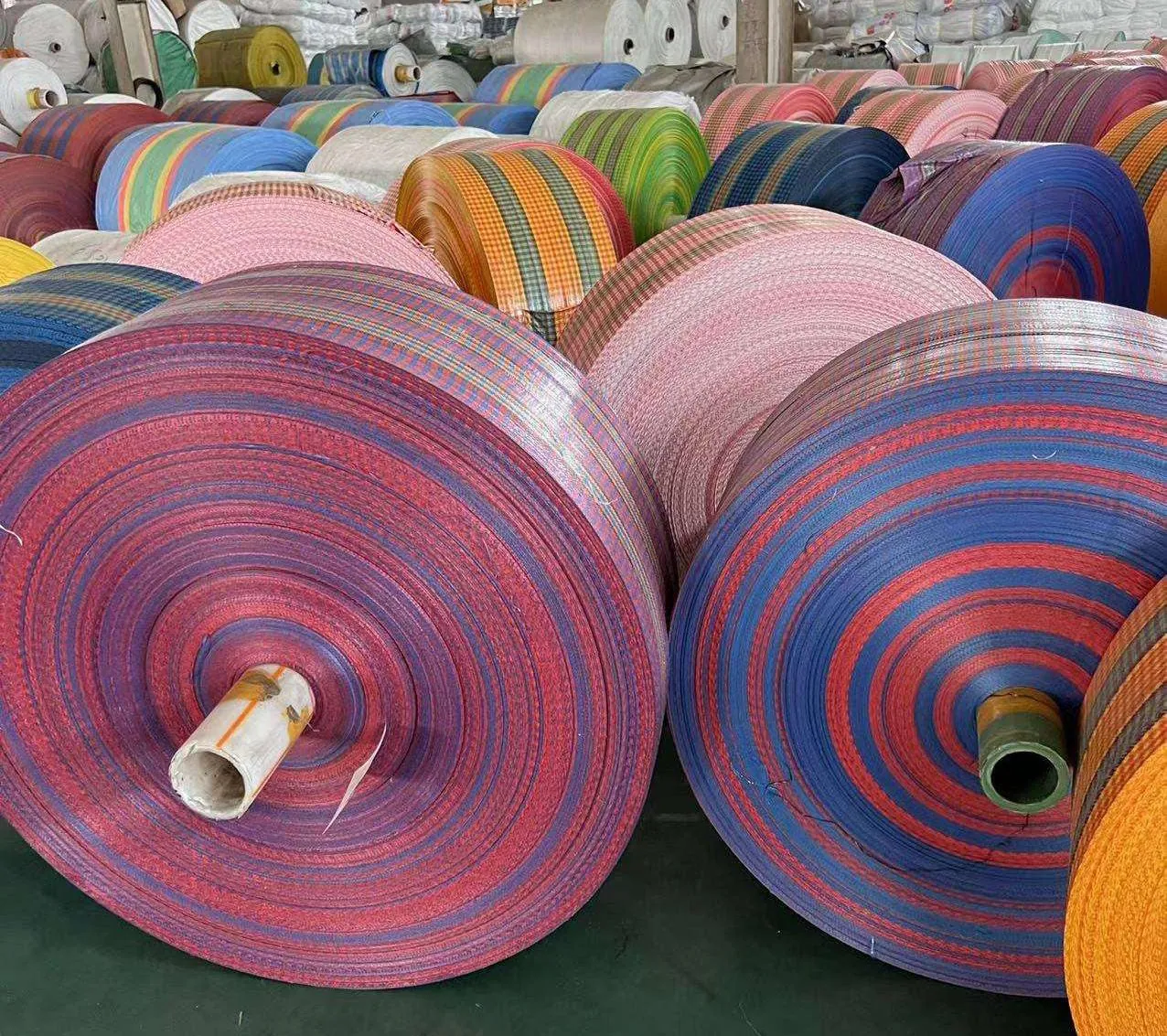
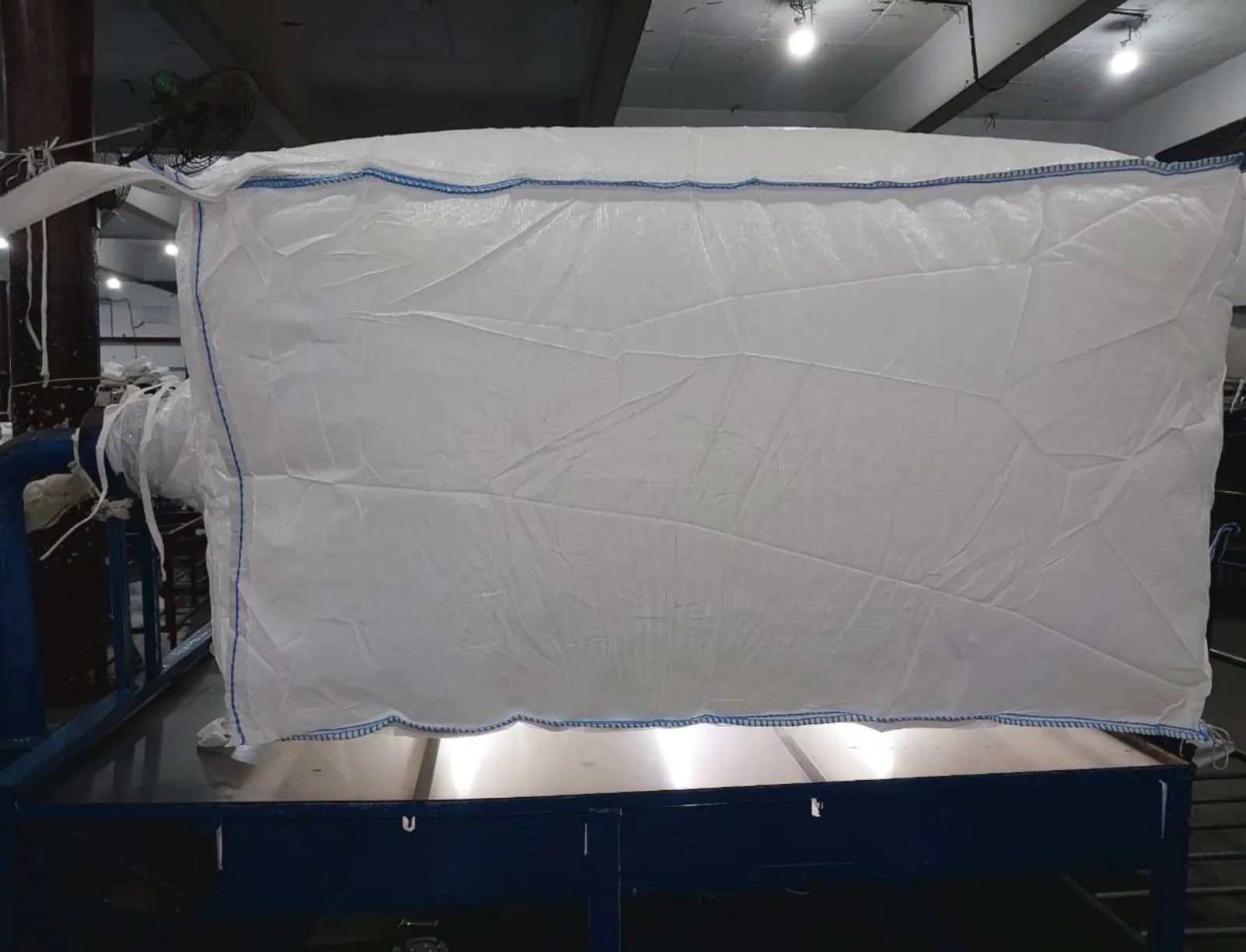
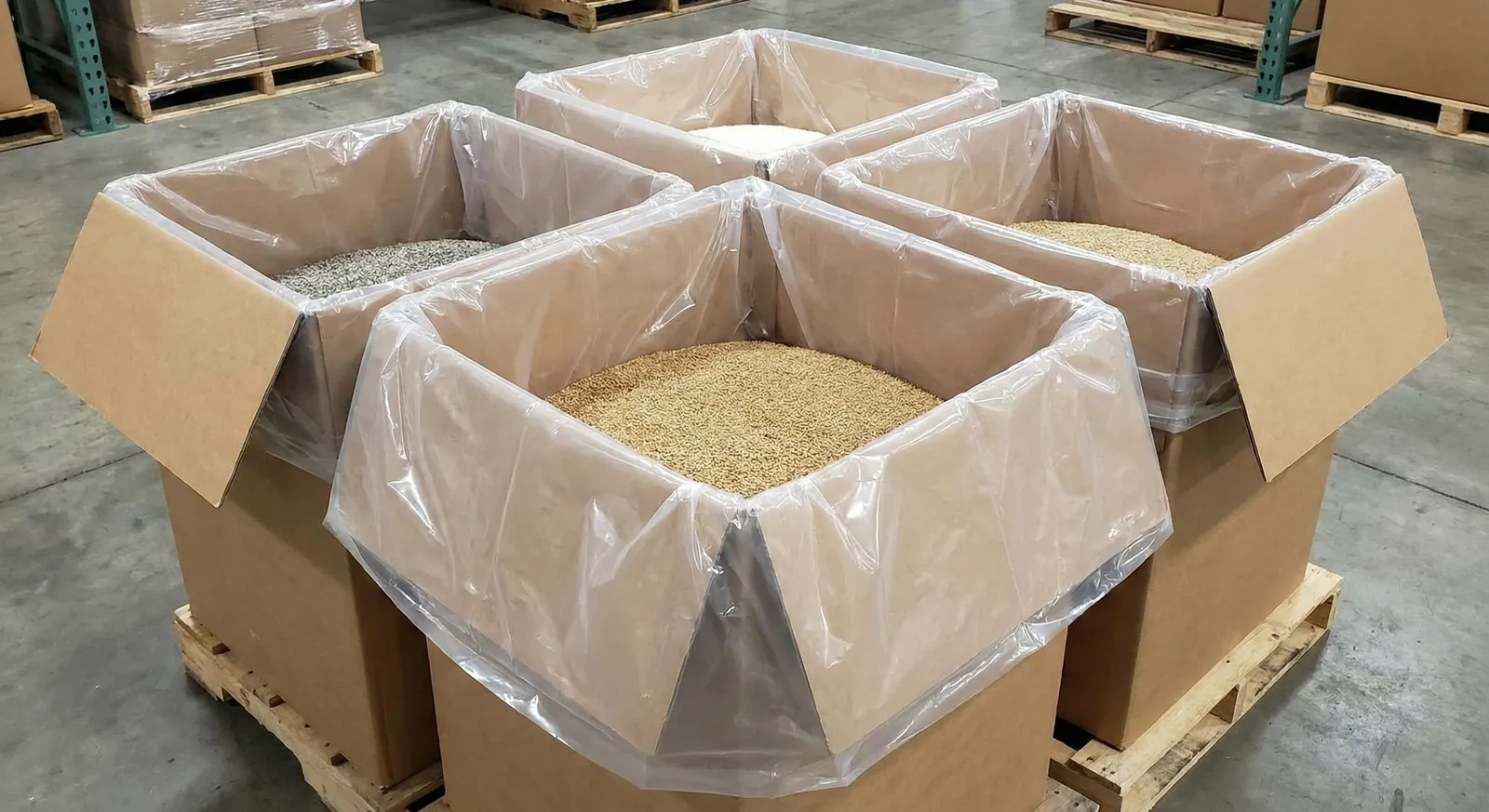
The range runs from 50 to 200 micron LDPE/LLDPE in flat and gusseted constructions: transparent box liners sized to standard container and octabin footprints, drum liners in ring or star-seal formats, coloured liners (blue, red, black, opacity per spec) where line identification or light protection matters, and anti-static variants for powder handling. Food-adjacent liners — the box liners that contact flour, sugar or dairy powders — are specified under EU food-contact law, and German buyers expect a declaration of compliance with migration-relevant data, not a marketing sentence. Seal integrity under load is the performance test that decides repeat orders: a liner that splits at the base seam during filling generates a claim that costs more than the liner saved. We run bottom-seal and side-seal lines with batch seal-strength testing and supply test data with every shipment.
Duty, VAT and classification
Liner bags classify under HS 3923.21 (polyethylene sacks and bags) in most consignments, with the EU common external tariff around 6.5% on this family and 19% German import VAT at entry — deferrable through standard procedures where your fiscal set-up allows. The EORI number and a customs broker complete the basic administrative set. Tonnage economics are the reason the trade exists: even with the tariff and freight, Indian LDPE liner pricing typically lands below EU converter pricing for standard gauges, with the gap widest on heavy-gauge drum liners where European capacity is tightest. Your customs agent confirms the exact code — liner form can nudge the line, though the rate family is stable.
Compliance: VerpackG, LUCID and food contact
Three German compliance items matter depending on use. Where liners are packaging placed on the German market, the Packaging Act (VerpackG) registration through the LUCID system and participation in a dual system fall on the party placing the goods — usually the German distributor, who will ask you for material declarations to feed it; we supply them as standard. Food contact runs under the EU plastics framework with migration limits — our food-grade liners carry declarations of compliance and are produced on lines with the documentation trail German auditors expect. REACH declarations for SVHC complete the file. None of this is exotic; it is simply paperwork that must arrive with the goods rather than after the audit.
Route, ports and lead times
Mundra or Nhava Sheva to Hamburg runs 22 to 28 days port to port, Bremerhaven similar; clearance adds 2 to 4 days. Liners ship compressed in bales — heavy freight, so a 40-foot container takes 18-22 tonnes and the per-kilo freight is modest. Production runs 7 to 12 days for stock sizes and gauges, longer for coloured or anti-static programs and custom footprints. First orders land in five to seven weeks door to door; repeats on locked specs run four to five. Distributors typically stock the standard transparent range and run coloured or food-grade lines to order.
Documents and terms
Invoice, packing list, certificate of origin, bill of lading, batch seal-strength and gauge reports, food-contact declarations where applicable, and REACH/SVHC statements. FOB Mundra and CIF Hamburg are routine, DDP for landed-price programs. Related sourcing: our liner bag product page lists gauges and constructions, FIBC liners cover the bulk-container end of the same trade, and our guide to FIBC liners in Germany covers the standards landscape for bulk liners.
Frequently Asked Questions
Which gauge for a standard box liner?
60-100 micron covers most box and octabin liners; drum and heavy-duty liners run 120-200 micron. Send the container size and product weight — we quote the gauge that fills without splitting.
Do you supply food-grade liners for Germany?
Yes — EU food-contact compliant lines with declarations of compliance and migration data, produced with the documentation trail German audits expect.
What is the duty and VAT?
Around 6.5% EU tariff on HS 3923.21 plus 19% German import VAT, deferrable where your fiscal set-up allows. Your customs agent confirms the exact code for the liner form.
How long is the lead time?
Production 7 to 12 days, ocean 22 to 28 days to Hamburg, clearance 2 to 4 days. Plan five to seven weeks door to door on first orders.