German fabrication is unforgiving in the best way: tank builders, water-engineering shops and machine guards fabricators who buy HDPE sheet know exactly what they want — weldable, dimensionally stable, traceable material — and they switch suppliers only when the numbers and the paperwork both hold. India has become a serious origin for exactly this material: press-laminated and extruded HDPE sheet at genuinely competitive tonnage prices, shipped by the container to Hamburg and Bremerhaven. We manufacture HDPE sheets at our Kalol plant in Gujarat and supply German fabricators and plastics distributors, and this page sets out what an import actually involves.
What German fabricators order
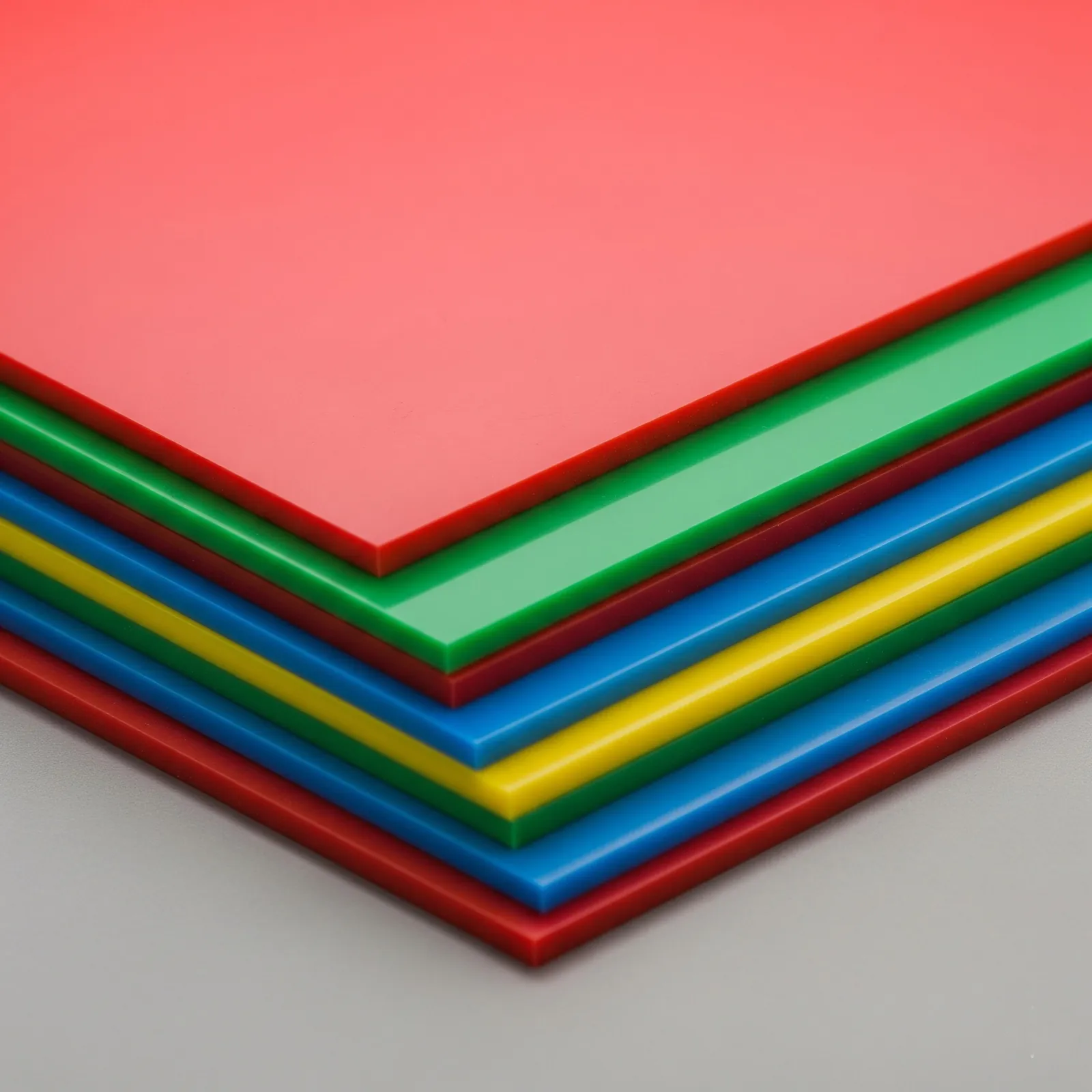
The core range is PE300 (standard HDPE) and PE500 (high-molecular-weight) sheet from 2 to 50mm and above, in 2000 x 1000mm and 3000 x 1500mm panels, smooth finish as standard and matte/textured where welding jigs or foot traffic demand it. Colour logic follows use: natural (off-white) and black dominate, with signal colours for machinery and food-adjacent fabrication. Weldability is the purchase criterion that decides repeat orders — the sheet has to fuse cleanly to DVS practice with standard extrusion and butt welding equipment, and sheets with off-gauge cores or contaminated surfaces turn into scrap at the welder. We hold melt-index and density windows tight across a batch, supply weld coupons on request, and mark sheet with batch and thickness so the fabricator's traceability holds. UV-stabilised black grades serve outdoor applications, and our cutting service ships cut-to-size panels for shops that would rather weld than saw.
Duty, VAT and classification
HDPE sheet classifies under HS 3920.10 (polyethylene non-cellular sheet), with the EU common external tariff at around 6.5% on this family. Import VAT at 19% applies at entry — deferrable through the standard German procedures if your fiscal set-up allows — and the EORI number is the importer's basic ticket. For a German buyer comparing origins, the honest arithmetic: even with the 6.5% tariff and freight, Indian press-laminated tonnage pricing typically lands below EU mill prices for standard grades, with the gap widest on thicker panels where European extrusion capacity is tightest. Confirm the exact tariff line with your customs agent — thickness and form can shift the code, and the agent owns that call.
Compliance: REACH and application norms
The compliance asks from German buyers cluster around three things. First, REACH: we supply declarations that no SVHC substances above threshold are present, per candidate-list updates, and full material declarations where the customer's own compliance chain needs them. Second, food or drinking-water adjacency: where sheet touches food, EU food-contact rules (the plastics regulation framework behind EU 10/2011 migration limits) apply, and we support with declaration of compliance and migration-relevant data; for drinking-water applications, German buyers usually specify their own approval path and we supply base material data for it. Third, welding and fabrication norms: DVS worksheets govern how German fabricators weld PE, and our sheets are made to behave within those parameters — that is a technical statement we back with coupons, not a certificate from a third party.
Route, ports and lead times
Mundra or Nhava Sheva to Hamburg runs 22 to 28 days port to port, Bremerhaven similar; clearance adds 2 to 4 days. Sheet ships on sturdy pallets and in timber crates for long panels, with edge protection — a dinged corner on 25mm PE300 is a weld problem for somebody, so packaging is not where we economise. Production runs 10 to 15 days for stock sizes and colours, longer for cut-to-size programs or uncommon gauges. Container arithmetic: a 20-foot container takes around 18-22 tonnes of sheet, a 40-foot high cube 24-26 tonnes depending on gauge mix, and heavier-gauge programs sometimes ride flat racks for oversized panels. Realistic first-order timeline is six to seven weeks from PO to German warehouse; repeat orders on standing specs run four to five.
Documents and terms
Invoice, packing list, certificate of origin, bill of lading, batch test report (density, MFI, tensile) and REACH declarations form the standard pack; food-contact declarations when applicable. FOB Mundra and CIF Hamburg are routine, with DDP for distributors quoting landed prices to their own customers. If you are also sourcing related materials, our HDPE sheet product page lists gauges and panel sizes, the PP sheet line covers polypropylene for chemical-duty fabrication, and our Germany sourcing guide for stretch film shows how we structure film programs for German buyers.
Frequently Asked Questions
Which grades do you offer — PE300 or PE500?
Both. PE300 for general fabrication, PE500 for high-wear and impact applications. Send the application and we will quote the right grade rather than the cheapest one.
Can you supply cut-to-size panels?
Yes — CNC or saw cutting to your drawing, packed per panel. Many German shops order cut panels to save their own machine hours, especially on thicker gauges.
What is the duty on HDPE sheet into Germany?
Around 6.5% under the EU common external tariff for HS 3920.10, plus 19% import VAT. Your customs agent confirms the exact line for the sheet form you order.
How do you protect sheets on a 25-day ocean leg?
Pallets and timber crates with edge protection, interleaving and moisture-aware wrapping. Sheets arrive weld-ready — that is the standard we pack to.