Liners look like an accessory and import like their own product — a detail that catches first-time buyers at the customs broker's desk. Whether you are importing liner film alone to fit at your own filling line, or lined jumbo bags ready to fill, the classification, paperwork and lead-time picture differ slightly, and knowing which is yours saves a week of emails. This is the Qatar import picture for both.
Classification: the heading depends on the product
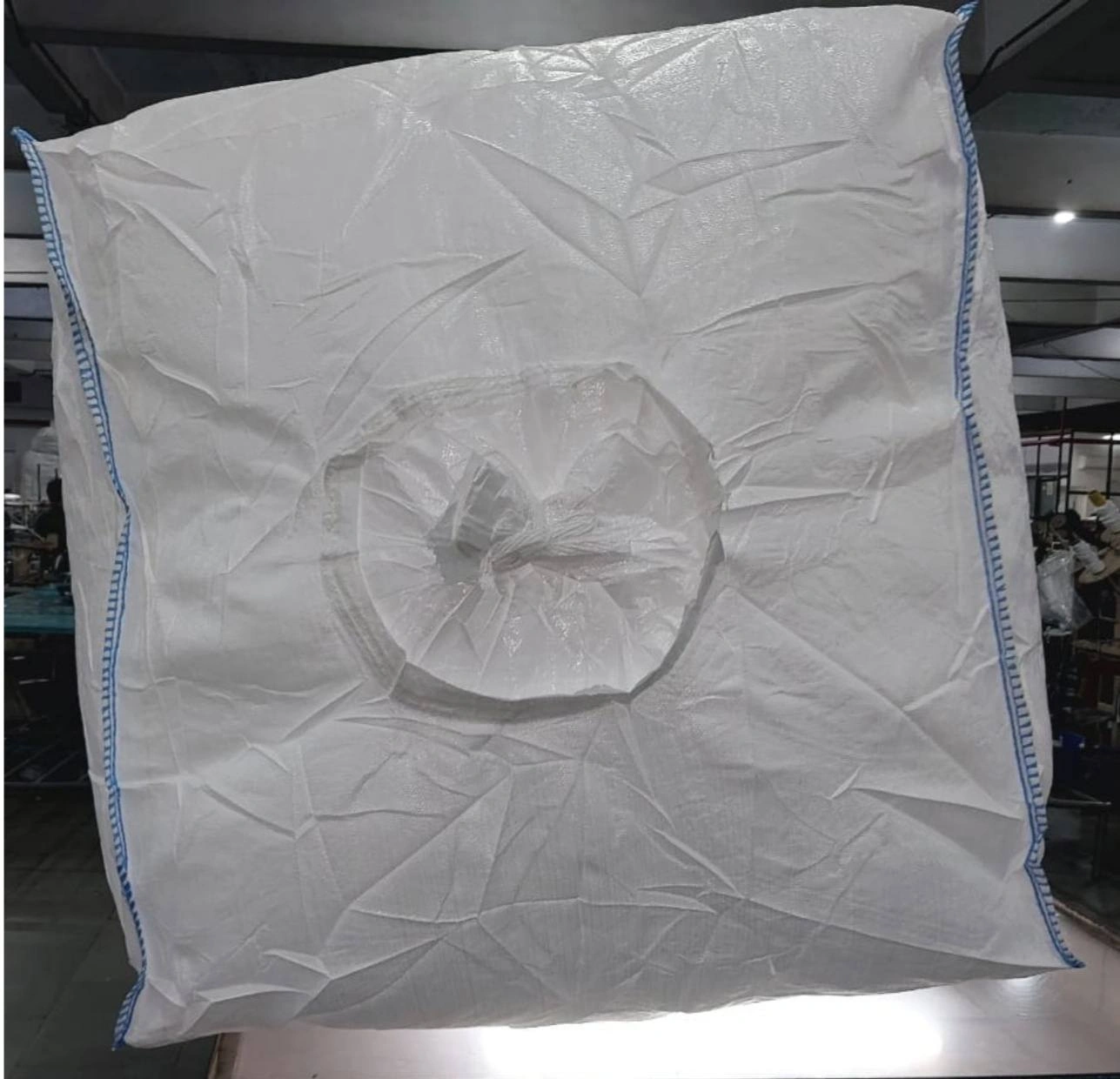
Lined jumbo bags — the complete FIBC with liner fitted — classify under HS 6305.33 with the rest of the woven polypropylene bag family, at the standard GCC duty band of around 5%. Liner film imported alone — polyethylene sleeves and form-fit liners without the bag — classifies under HS 3923.21, the plastics packing sacks heading, typically at a similar single-digit band but a genuinely different tariff line. Your broker confirms the current rates either way, but knowing which heading your consignment sits under explains why quotes from different suppliers sometimes land at different duty assumptions. Our commercial invoices describe the goods precisely enough that the classification is never ambiguous, which is half the battle in keeping customs entry boring.
Documents, food contact and the Hamad Port path
The set is commercial: invoice, packing list, bill of lading, certificate of origin — plus the batch test reports and, where the cargo chain is food, the liner's food-contact declarations and migration documentation. Qatar buyers in flour, sugar and food-ingredient packaging file those declarations into their own audit chain once and the topic stays closed. Transit from Mundra to Hamad Port runs four to six days; production on lined bags takes about three weeks because the liner fitting adds a step before baling, so plan five to six weeks from purchase order to Doha warehouse on a new order, with call-offs running shorter against reserved capacity.
Receiving QC for lined bags
The arrival routine mirrors any FIBC shipment with one liner-specific check: cut a sample bag and verify the liner is form-fit where form-fit was specified, the micron matches the quotation, and the top closure is intact — liner defects caught on arrival are claims verified against retained samples within days, while liner defects caught at the filling line are production delays. Buyers who run this hour-long routine on every arrival have, in our experience, exactly zero filling-day surprises, which is the quiet metric that makes the whole import exercise worth it.
Frequently Asked Questions
Do liners and bags import under one duty heading?
Only when shipped as lined bags — HS 6305.33. Liner film alone sits under HS 3923.21; both are single-digit bands but they are different tariff lines, so confirm with your broker which consignment type you are booking.
Can we order liner film alone and fit it ourselves?
Yes, though factory fitting removes the filling-line errors that waste liners — most buyers who try fitting once come back for pre-fitted bags.
What is the MOQ for lined bags?
1,000 pieces — liner changeover and fitting only make sense at that volume, which is why smaller runs buy liner film separately.
What lead time should we plan?
About three weeks production plus four to six days ocean to Hamad Port — five to six weeks door to door on a new order.
Liner options are on the FIBC Liners page. For the broader import mechanics read importing U Panel FIBC bags to Qatar, and for liner type selection see form-fit, tubular and food-grade liner options.