Kenya's consumer packaging sector is growing faster than its converting capacity, and the gap shows up as one specific import: printed BOPP film rolls that Kenyan converters run into snack packs, flour and sugar bags, biscuit wraps and label stock. India supplies the majority of it — same-timezone print houses, rotogravure quality, and freight economics on the Mombasa corridor that no other origin matches. We print and slit BOPP films at our Gujarat facility and supply Kenyan converters and traders; this page covers the import specifics.
What Kenyan converters order
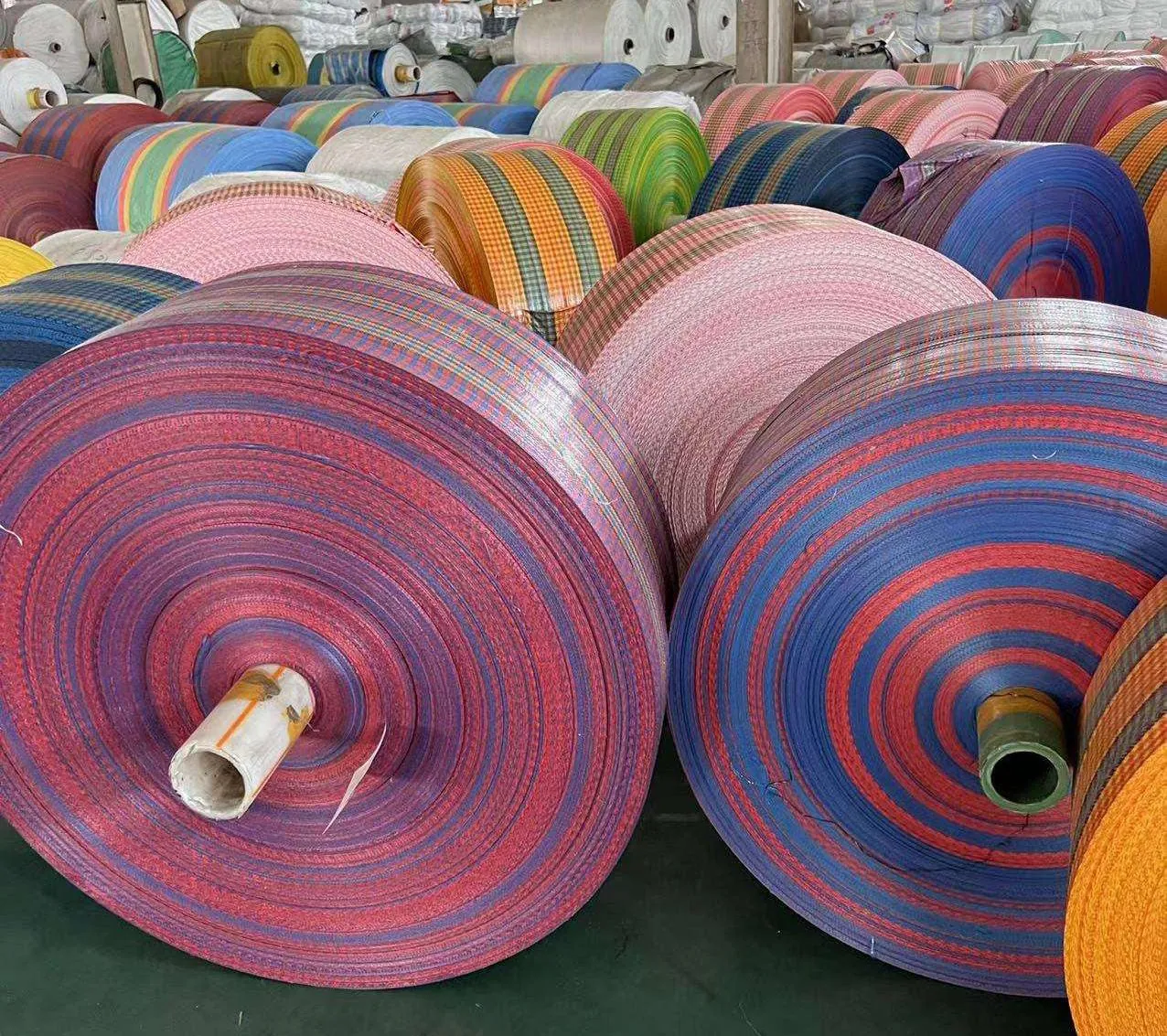
The workhorse is printed BOPP at 15-30 micron in 800-1600mm slit widths, reverse-printed rotogravure up to eight colours so graphics sit protected under the outer film, plus pearlised and metallised variants where shelf presence demands. Converters buying printed rolls arrive with artwork; the cylinder cost conversation matters on this route — rotogravure cylinders are a real setup investment, amortised across run length, which is why Kenyan buyers consolidate SKUs and run longer print campaigns. We quote cylinders transparently, hold them for repeat accounts, and for shorter runs offer digital-adjacent alternatives where the spec allows. Film consistency — gauge, corona treatment level, seal latitude — is what keeps a converter's packing line running at speed, and we batch-test seal curves and surface tension before dispatch because a packing line stopped in Nairobi costs more than the film saved in Mumbai.
Duty and the EAC CET stack
Kenya imports under the East African Community Common External Tariff, and finished plastic films in this family attract the CET's higher band — commonly 25% — reflecting the region's intent to protect local converting. On top: Import Declaration Fee at 2.5% of CIF and the Railway Development Levy at 2%, plus 16% VAT at import, creditable for VAT-registered businesses. The stack is real — this is not a 5% Gulf entry — and it shapes strategy: converters who import printed rolls accept the CET because print capability, not film, is their bottleneck; traders importing to arbitrage feel the stack immediately. Your clearing agent confirms the exact line and current levies; we cost CIF Mombasa so your landed math starts honest.
KEBS PVoC certification
Kenya runs the Pre-Export Verification of Conformity programme: regulated goods need a Certificate of Conformity from a KEBS-appointed inspection body before shipment, verifying the goods against the applicable standards. Films for food contact add the food-safety layer — EU or FDA food-contact documentation supports the assessment even though the governing framework is KEBS. The practical sequence: book the PVoC inspection after production, present invoice, packing list, test reports and product samples or factory test data, and receive the CoC that clears Mombasa without delay. Consignments arriving without CoC face destination inspection and penalties — a cost nobody budgets for, which is why we build PVoC into the shipping calendar from day one rather than treating it as a customs surprise.
Route, ports and lead times
Mundra or Nhava Sheva to Mombasa runs roughly 10 to 14 days port to port — one of the shorter corridors for Indian cargo — with clearance adding 2 to 5 days when the CoC and duties are ready. Onward to Nairobi rides the SGR rail or truck on a one-to-two-day leg. Film ships as dense rolls on pallets; a 40-foot container takes 18-22 tonnes, and we slit to the converter's widths before shipping so the rolls feed the press or laminator without a re-slit pass. Production runs 12 to 18 days for printed film including cylinder work and PVoC inspection; first orders land in five to seven weeks door to door, repeats on held cylinders in four to five.
Documents and terms
Invoice, packing list, certificate of origin, bill of lading, PVoC Certificate of Conformity, food-contact documentation where the film is food-grade, and batch test reports (gauge, surface tension, seal). FOB Mundra and CIF Mombasa are routine. Related sourcing: our BOPP films printed product page lists micron ranges and print capabilities, the BOPP bags and rolls line covers the finished-bag end of the same print infrastructure, and our guide to importing BOPP bags into South Africa shows how the family ships to other African markets.
Frequently Asked Questions
What is the total duty stack into Kenya?
EAC CET around 25% on finished plastic films, plus IDF 2.5% and Railway Development Levy 2% on CIF, plus 16% VAT — creditable for registered businesses. Your clearing agent confirms the live lines.
Do we need PVoC certification?
Yes for regulated film imports — a Certificate of Conformity from a KEBS-appointed body before shipment. We build the inspection into the production calendar so Mombasa clearance never waits on paperwork.
How does cylinder cost work?
Rotogravure cylinders are a one-time setup per design, amortised over run length and held for your repeats. We quote them transparently — no surprises at the second order.
How long is the lead time?
Production 12 to 18 days including print and PVoC, ocean 10 to 14 days to Mombasa, clearance 2 to 5 days plus the Nairobi leg. Plan five to seven weeks door to door on first orders.