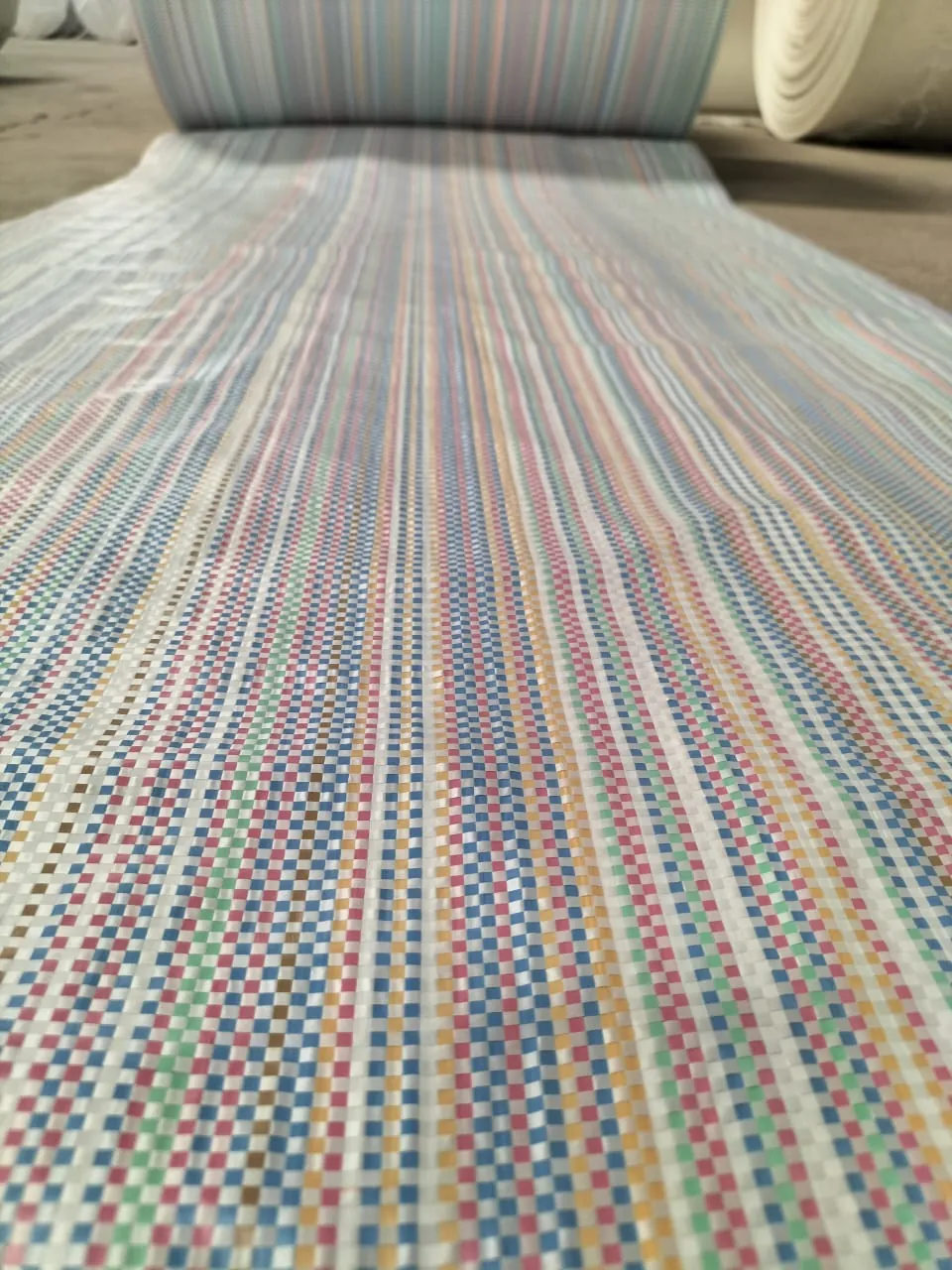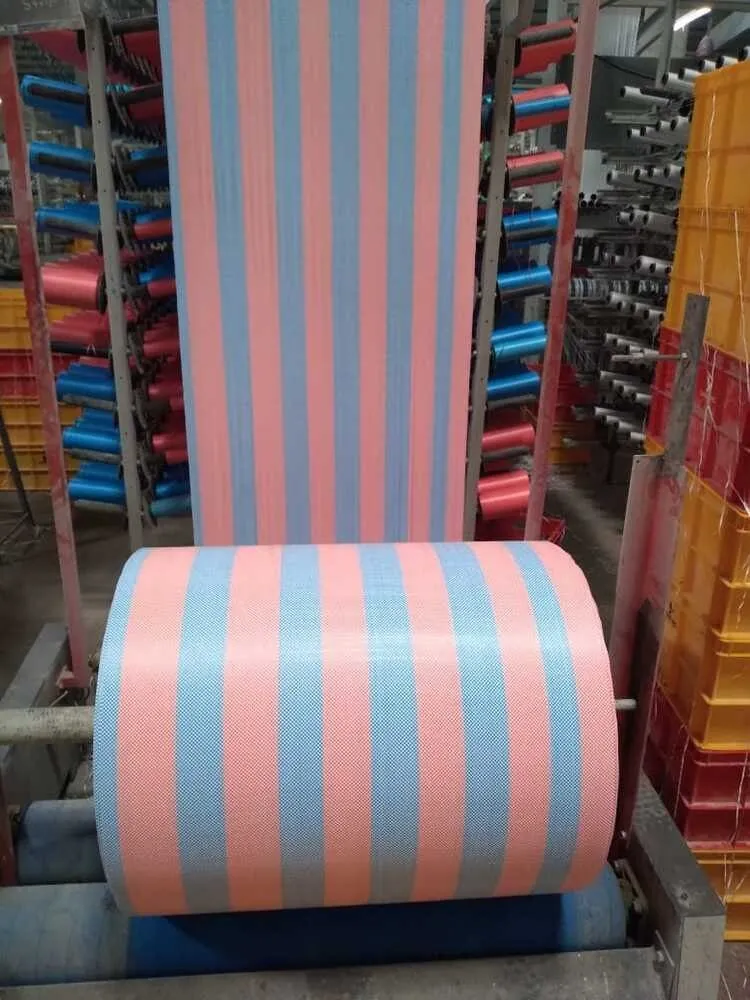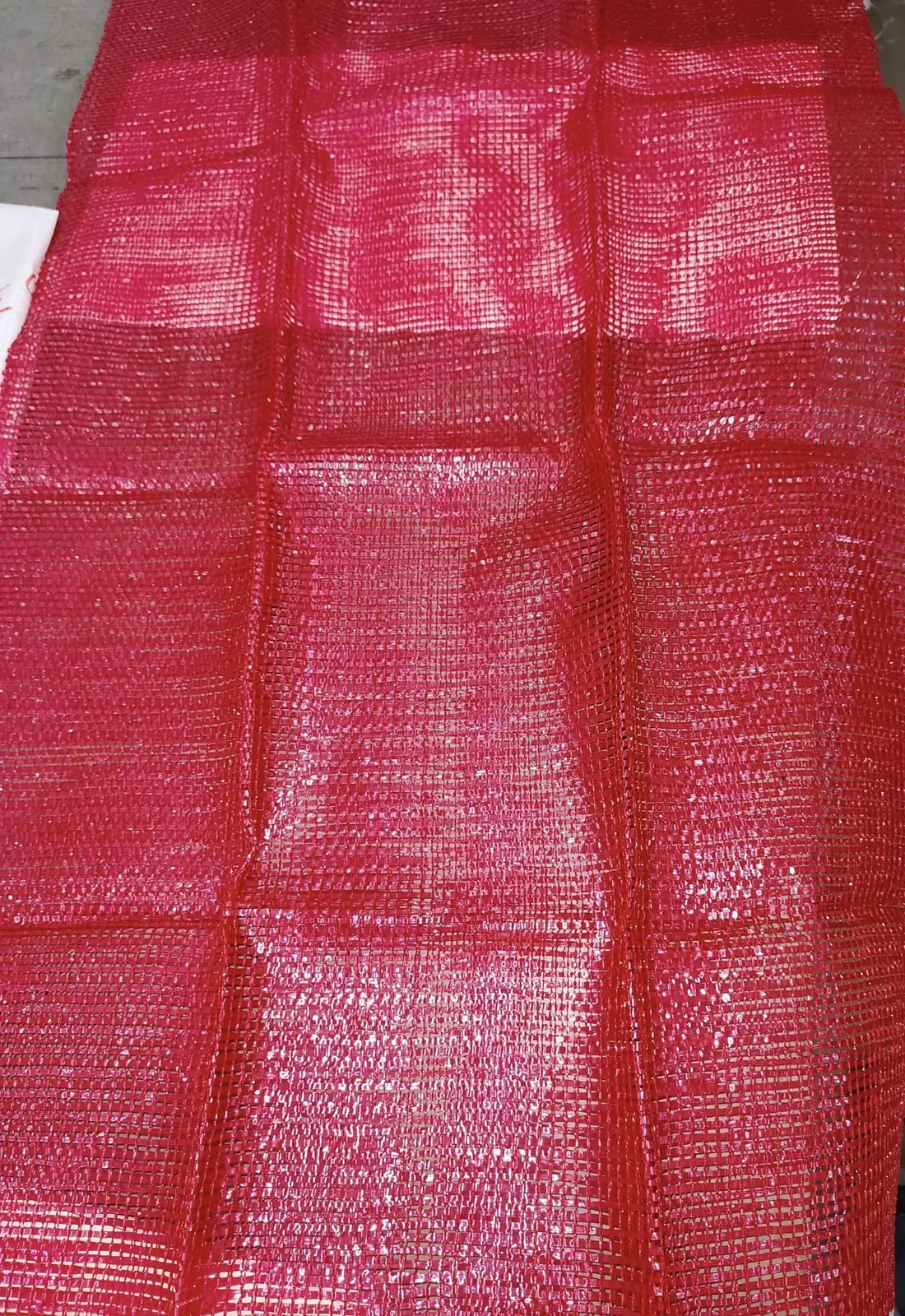
Onions, garlic and potatoes are living cargo - they respire, shed moisture and generate heat in transit. Seal them airtight and they stew; expose them carelessly and they bruise or dry out. HDPE leno mesh bags solve the ventilation problem by construction: an open net-like weave that lets air move through every bag while containing the load. Getting mesh packaging right is a significant export-quality lever for produce traders.
How Leno Mesh Is Built
Leno weaving interlaces tapes in an open grid rather than a tight plain weave, creating stable mesh with defined openings. HDPE's stiffness and environmental tolerance suit produce duty, where bags meet moisture, cold stores and rough handling. The open structure provides airflow around every unit of produce, reducing localised humidity pockets that trigger sprouting and rot; the product range appears on our leno mesh bags page.
Mesh Size and Load Match
Mesh aperture balances airflow against containment: smaller produce needs finer mesh, larger tubers take wider openings. Bag size follows market practice for the destination - retail-net packs versus bulk sacks - and capacity follows the same system logic as solid sacks, with fabric and seams matched to weight per the capacity framework. Drawstring or stitched closures suit different packing lines.
Transit and Stack Practice
Ventilated bags only work when the container or truck lets air move: stacking patterns that block airflow defeat the mesh. Container selection, stow spacing and airflow practice tie into the loading guide; buyers should align bag ventilation with their cold-chain plan rather than treating them separately. Moisture management during pre-cooling and loading complements the bag - the transport moisture picture is in the moisture guide.
Frequently Asked Questions
Do mesh bags leak small produce?
Mesh size controls it - finer apertures for small grades; match mesh to produce size at specification, and confirm on a filled-bag sample before bulk.
Can mesh bags be printed?
Brand tags and printed bands are common; full-surface print defeats the purpose of openness - identity usually rides on labels and colour.
Are they reusable?
Quality leno mesh survives several produce cycles when handling is reasonable; reuse economics favour stiffer fabrics - a point worth checking on samples.
Siddhii Global manufactures HDPE leno mesh bags and rolls at Kalol, Ahmedabad for produce exporters across destinations. Send produce size, pack weight and route for mesh and capacity recommendations.
Packing Line and Export Notes
Produce lines fill leno bags fast, and two practical details decide outcomes: fill weight consistency, which depends on fabric and seam holding shape during filling, and closure reliability, since a slipped drawstring empties a bag in transit. Specify fill weight with a tolerance and closure type per line, then validate on a filled trial per the discipline in the trial guide. For exports, align bag ventilation with pre-cooling and container airflow - mesh bags in a stalled-air container lose their purpose - and inspect a few bags at each handover point for snags and cuts, since hooks and cage edges are leno bags' worst enemies. Documented lot QC follows the pattern in the inspection checklist; produce buyers increasingly ask for it at the port, not after discharge.