Every distribution center manager knows the sound: a pallet comes off the trailer leaning, because eight layers of 50 lb bags crept during 600 miles of highway braking. Stretch wrap is the usual band-aid, but wrap costs money on every pallet and still fails in summer heat. Anti-slip woven bags attack the problem at the surface itself, raising friction between bag layers so the stack moves as one block. We coat and convert anti-slip sacks for fertilizer and feed distributors shipping across the US, and the pallet math is why they reorder.
How the anti-slip layer works
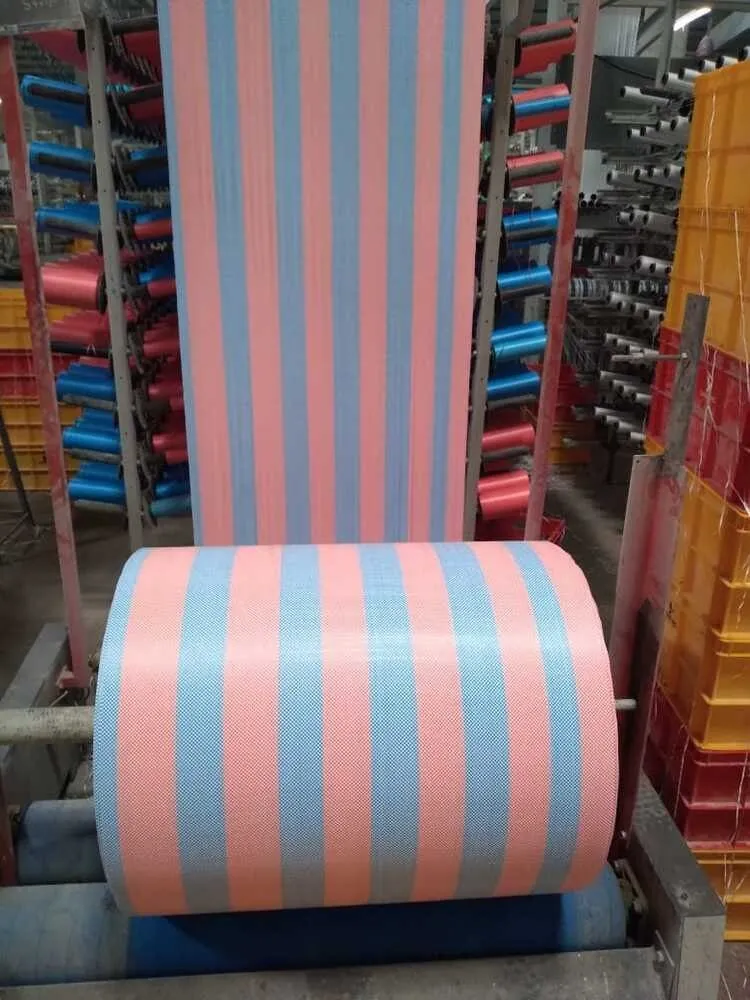
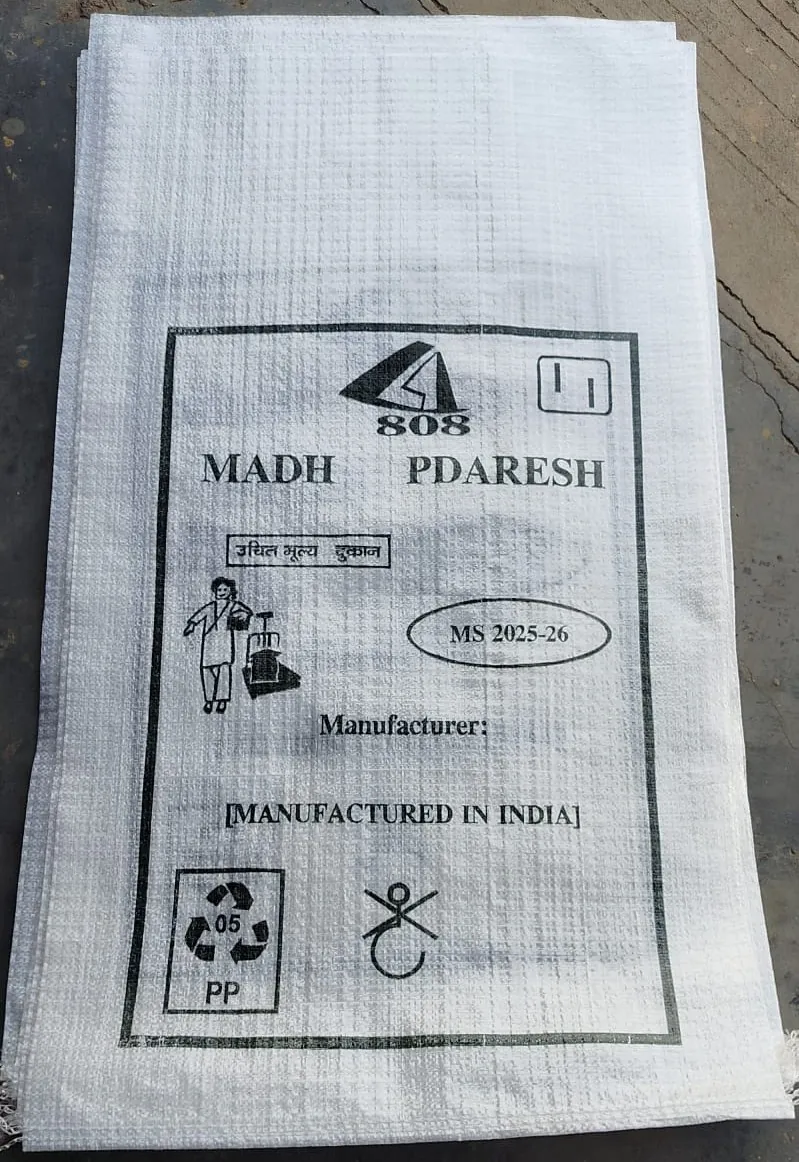
Standard woven PP is slippery by nature: smooth tapes, smooth coating. Anti-slip construction adds a high-friction treatment, either a specialty coating applied to the fabric or printed anti-slip strips on the contact faces, which measurably raises the coefficient of friction between stacked bags. The result is a pallet that resists the two forces that wreck loads: braking inertia and cornering sway. Bags still fill, sew and palletize exactly like standard sacks on your line, no equipment changes.
Where the ROI actually shows up
- Stretch wrap reduction: many distributors drop from heavy multi-layer wrapping to lighter patterns, or eliminate corner boards on stable loads.
- Claim reduction: fewer shifted pallets means fewer rejected deliveries and less re-bagging labor at the DC.
- Higher stack heights: stable columns cube out trailers better; some buyers gain a layer or two per pallet.
- Faster load approval: receiving crews trust the pallet, which speeds cross-dock handling.
Spec and pricing picture
Anti-slip woven bags run the same size and GSM ranges as standard sacks, with the friction treatment adding roughly 10 to 20 percent to bag cost. For a typical 18x30, 85 GSM 50 lb sack, that puts indicative FOB around $0.26 to $0.42 depending on coverage, before freight and duty. Two contact faces treated is the common spec; full-body coating for products that palletize four-across. Lead times match standard woven production, 3 to 4 weeks, since the treatment integrates into conversion rather than running as a separate pass.
The test we recommend before switching
Take one pallet of your current bags and one pallet of anti-slip bags, wrap both identically, then tilt test both at 10 and 15 degrees on a controlled surface. That five-minute test replicates what a train coupling or hard braking event does at highway scale. Distributors who run it rarely go back, because the visual difference ends the internal debate better than any datasheet.
Questions we hear
Does the coating affect printing?
Not on the display faces. We plan artwork zones against the friction treatment, so brand print stays clean while the hidden contact faces do the gripping.
Is anti-slip safe for food and feed contact?
The treatment is applied to the outside faces and the polypropylene body remains FDA 21 CFR 177.1520 compliant; liners handle direct food contact where required.
Constructions are on the Anti Slip Bags and Rolls page. Pair stability with the right fabric weight from the GSM and price guide, and for photo-grade branding see BOPP laminated bags.