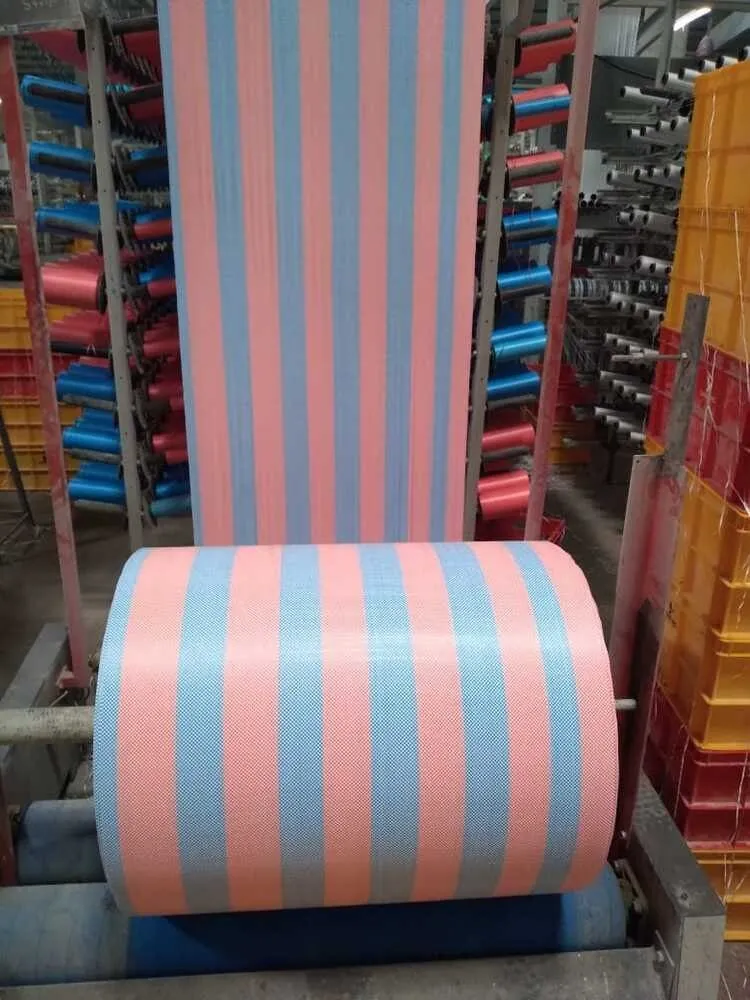
A distributor in Houston asked us last quarter why two quotes for the same 35x35x44 inch bulk bag came back eight dollars apart. Both were 2,200 lb SWL bags. The difference was fabric weight, loop construction and whether the seller was a factory or a trading house. After running FIBC production for US importers for years, we can tell you the price spread is normal, and it is almost always explainable on one page of the spec sheet. This guide breaks down what a 1-ton bulk bag actually costs from India, what pushes the number up, and how to land it in the US with the math still working.
What a 1-ton bulk bag costs, FOB India
These are indicative ranges from our plant for standard construction, uncoated fabric, 4 lifting loops, top skirt and flat bottom. Resin prices move quarterly, so treat every number as a starting point for negotiation, not a quote.
| Specification | Indicative FOB India (per bag) |
|---|---|
| 35x35x44 in, 2,200 lb SWL, 170 GSM body | $13.50 - $18.00 |
| 35x35x44 in, 2,200 lb SWL, 200 GSM body | $16.00 - $21.50 |
| 36x36x50 in, 2,600 lb SWL, 200 GSM, coated | $18.50 - $24.00 |
| With form-fit poly liner, add | $2.50 - $5.50 |
| Custom 3-color printing, add | $0.60 - $1.20 |
Heavier fabric is the single biggest cost driver. A 30 GSM jump on the body adds roughly $1.20 to $1.80 per bag. If your filling equipment and warehouse handling are gentle, you may not need it. If bags ride conveyor systems all day and get dragged across yard gravel, you do.
The four spec choices that move your price
First, fabric GSM. 160 to 180 GSM suits most dry-flowable products up to 2,200 lb. Go 200 to 220 GSM for abrasive or sharp-edged material. Second, safety factor. A 5:1 safety factor is the industry standard for single-trip bags; a 6:1 rating for multi-trip use adds a few percent to fabric cost because the bag needs more fabric per panel and sturdier lift loops. Third, liner. An unlined bag for gravel and a food-grade form-fit liner bag are different products with different economics. Fourth, printing. One color on one side is cheap; full-coverage multi-color print needs wider fabric and slower presses, and the bag price reflects it.
Container math for US buyers
A 20-ft container takes roughly 1,100 to 1,400 bags of standard 35-inch square construction, pressed and baled. A 40-ft high cube can push past 2,300 bags on lighter specs. Ocean freight from Mundra or Nhava Sheva to the US East Coast has ranged between $2,500 and $5,500 per container over the past year depending on the season. Spread across a 40-ft load, freight adds about $1.50 to $2.50 per bag. Most woven polypropylene sack classifications in Chapter 63 carry low single-digit duty; your customs broker should confirm the exact HTS line for your product before you commit to landed-cost numbers.
Lead times and what to demand from the factory
Production runs 3 to 4 weeks after spec approval and deposit, and ocean transit to Savannah, NY/NJ or Houston adds 4 to 6 weeks. Plan reorders around a 9 to 10 week pipeline. Before you place a container order, ask the factory for a current UV stabilization report, a safe working load test certificate tied to a 5:1 (or 6:1) safety factor, and a certificate of analysis for the resin lot. Any serious manufacturer produces these without being asked twice.
Questions we hear from US importers
Can I mix two specs in one container?
Yes, within reason. We regularly split 40-ft loads between two or three SKUs, for example 2,200 lb uncoated bags and lined food-grade bags. Mixing specs does slightly reduce total unit count because of packing geometry, but it saves a smaller buyer a second freight bill.
Do you ship with my logo on every bag?
Yes. We need print-ready artwork or a high-resolution file, and plate charges for custom printing typically run $35 to $90 per color, one-time. Plates stay at our plant for repeat orders.
What is the real minimum order?
One 20-ft container is our practical floor for custom specs. Sample quantities of 5 to 10 bags ship by air courier in about a week so you can test-fill before committing.
If you are comparing quotes right now, send us the spec sheets side by side and we will point out where the gaps are, line by line. See the full range on our PP Jumbo Bags (FIBC) page or read how U-panel compares to circular construction before you lock a design.