Baleage lives or dies on one number: oxygen. The entire value of wrapping is an anaerobic ferment that preserves feed value, and every pinhole is an invitation to spoilage. We produce silage wrap with an oxygen-barrier coex structure, and the dairies that buy from us, from Wisconsin and New York to the Texas panhandle and Idaho, care about one thing above price: how the film performs over twelve months outdoors. Here is the spec talk.
The film, in numbers that matter
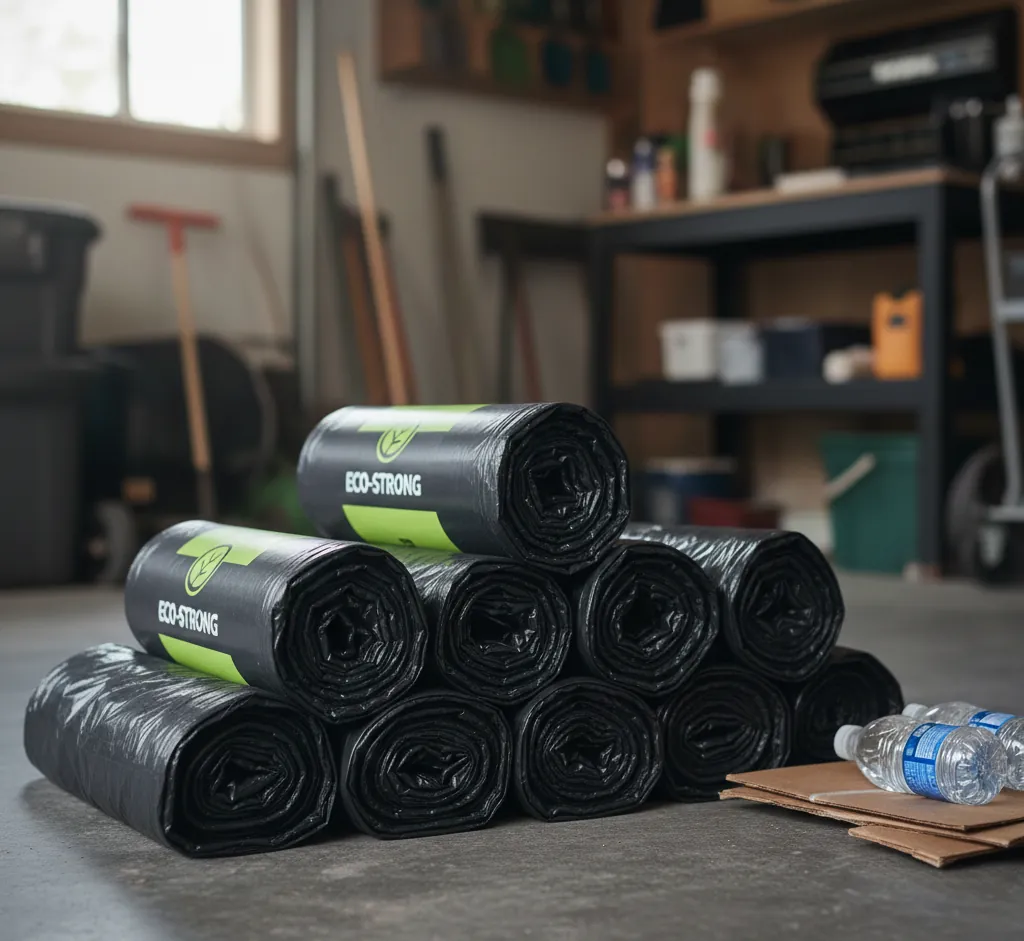
Standard wrap is 750 gauge (about 190 micron) black-and-white coex film on 750 mm width rolls of 1,500 meters. The black face out handles UV and heat; the white face out reflects sun in hot regions, which keeps bale temperatures lower. Oxygen transmission is the quiet spec: a good barrier wrap keeps O2 where it belongs, outside. Cheap wrap ferments the outside inches into a dry, unpalatable shell that your nutritionist will flag as shrink.
Layer count is not where you save
Industry practice is 6 layers minimum, 8 layers standard for long storage. Each wrap layer roughly quarters oxygen ingress, so the difference between 6 and 8 layers is the difference between good feed and marginal feed at month ten. The film roll math: at 8 layers, one 1,500-meter roll wraps about 10 to 12 bales depending on baler and bale size, so a dairy wrapping a few hundred bales can plan rolls-per-season arithmetic directly into their budget.
Indicative pricing and supply picture
| Spec | Detail |
|---|---|
| Width / length | 750 mm x 1,500 m |
| Gauge | 750 gauge, black/white coex |
| Indicative FOB | $85 - $130 per roll |
| UV package | 12+ months outdoor rated |
| Bales per roll | 10 - 12 at 8 layers |
Wrap season compresses demand into a few intense weeks, which is why we encourage distributors and co-ops to book spring inventory in the winter window. Production is 3 to 4 weeks; ocean adds 4 to 6 weeks, so late orders arrive late. Film containers weigh out around 20 to 22 tons, roughly 700 to 900 rolls per 40-ft box depending on packaging.
Dairy questions, straight answers
Black side out or white side out?
White out in hot regions to limit bale heating; black out where winter UV and cold dominate. Both store well if bales are seated on a drained pad and protected from wildlife punctures.
How long can wrapped bales sit?
Twelve months is a realistic planning number with our UV package, and many operations push beyond when bales stay sealed. The film is doing its job as long as the seal holds, so walk the rows and patch bird and rodent holes promptly; a ten-cent patch protects a fifty-dollar bale.
Specs and packaging are on the Silage Film page. For field plastics around the dairy see the mulch film guide and the greenhouse film guide.