The Netherlands processes more imported polymer per square kilometre than almost anywhere in Europe, and PP sheet is part of that daily trade: fabrication shops in Venlo and Rotterdam build chemical tanks, ducting, plating lines and machine components from polypropylene, and distributors keep a standing stock of standard gauges to feed them. Indian PP sheet has found a durable place in this market — consistent quality at tonnage prices European mills struggle to match. We extrude PP sheets at our Kalol plant in Gujarat and supply Dutch distributors and fabricators by the container; here is what the import involves in practice.
What Dutch buyers order
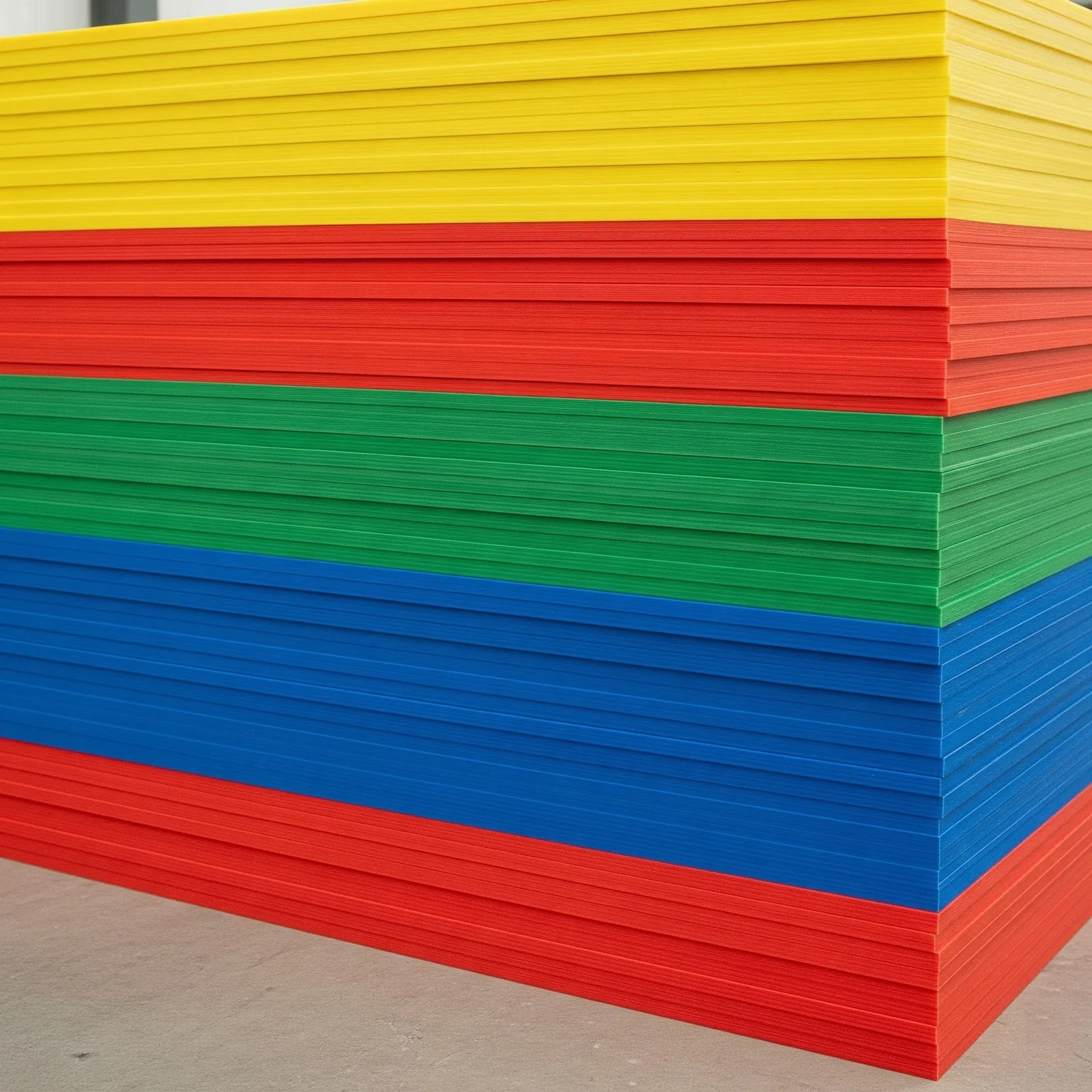
The volume sits in homopolymer PP (natural and grey) from 2 to 30mm in 2000 x 1000mm and 3000 x 1500mm panels for chemical-duty fabrication — pickling lines, galvanising plants, fume scrubbers — where PP's chemical resistance is the reason it is specified at all. Copolymer grades serve impact-facing applications, and flame-retardant compound is a recurring ask from electrical enclosure fabricators. Weldability is again the make-or-break property: Dutch fabricators weld to accepted European practice and expect sheet that fuses cleanly without surface contamination. We hold melt-index and density windows across batches, ship weld coupons with first orders, and mark every panel with batch and gauge. Cut-to-size service is popular with Dutch shops — panels arrive ready for the welder, not the saw.
Duty, VAT and the Article 23 advantage
PP sheet classifies under HS 3920.20 (polypropylene non-cellular sheet) with the EU tariff at around 6.5%. Dutch import VAT is 21%, but this is where the Netherlands differs from its neighbours: importers holding an Article 23 licence defer VAT at entry instead of paying it upfront, which keeps working capital in the business rather than at customs. If you import regularly and do not yet hold Article 23, applying for it is the single best administrative move a Dutch plastics importer can make. The EORI number and a customs broker complete the basic set. Duty-side, the tariff line is confirmed by your agent — sheet form and thickness can nudge the code, though the rate family is stable.
Compliance: REACH and application rules
REACH declarations — no SVHC above threshold per the current candidate list — ride every shipment, and full material declarations are available for customers whose own compliance chains demand them. Where sheet touches food, EU food-contact law applies and we supply declarations of compliance with migration-relevant data on the contact layers; for potable-water adjacency, Dutch buyers typically run their own approval route and we provide base material data. Chemical-resistance documentation for tank applications is a standard ask from Dutch fabricators and we supply it from our compound data rather than generic tables — a difference fabricators notice when their welds hold in service.
Rotterdam logistics and lead times
Mundra or Nhava Sheva to Rotterdam runs 20 to 26 days port to port — the shortest major-EU ocean leg for Indian cargo — with clearance adding 2 to 4 days. From Rotterdam the Dutch rail and barge network moves pallets to Venlo, Eindhoven or the northern provinces cheaply; many distributors also feed Belgian and German customers out of the same stock. Sheet ships on pallets and crates with edge protection; a 20-foot container takes 18-22 tonnes, a 40-foot high cube 24-26 tonnes depending on gauge. Production runs 10 to 15 days for standard panels, longer for cut programs. First orders land in five to six weeks door to door; standing-spec repeats run four.
Documents and terms
Invoice, packing list, certificate of origin, bill of lading, batch test report and REACH declarations; food-contact declarations where applicable. FOB Mundra and CIF Rotterdam are routine, DDP for landed-price programs. Related sourcing: our PP sheet product page lists gauges and colours, HDPE sheets cover the PE side of the same fabrication shops, and our guide to PP woven applications in the Netherlands shows how Dutch buyers structure wider polymer imports.
Frequently Asked Questions
Homopolymer or copolymer — which do I need?
Chemical tanks and ducting run homopolymer; impact-facing parts and cold environments run copolymer. Tell us the application and we will quote the correct grade rather than guessing.
What is Article 23 and why does it matter?
A Dutch licence that lets qualified importers defer the 21% import VAT at entry instead of paying it upfront. For monthly container importers it is a meaningful working-capital advantage.
Do you supply flame-retardant PP sheet?
Yes, as a compound option with the relevant data sheet. Lead time runs slightly longer than stock colours because the compound is made to order.
How are sheets protected for the ocean leg?
Pallets and crates with edge protection and interleaving; panels arrive weld-ready. Cut-to-size orders are packed per panel with drawings referenced on the packing list.