The UK carrier bag market is one of the most legislated retail categories in Europe — a mandatory charge on single-use bags, packaging EPR data obligations, and a plastic packaging tax that changed what importers mean when they say "cheap". Into that regulated landscape, the growth product is the reusable carrier: non woven and woven bags-for-life that retailers and promotional distributors buy by the container, and India supplies them at quality-to-price ratios domestic UK manufacturing cannot reach. We manufacture carrier bags at our Kalol plant in Gujarat and supply UK distributors and retail groups; this page covers the import mechanics.
What UK buyers order
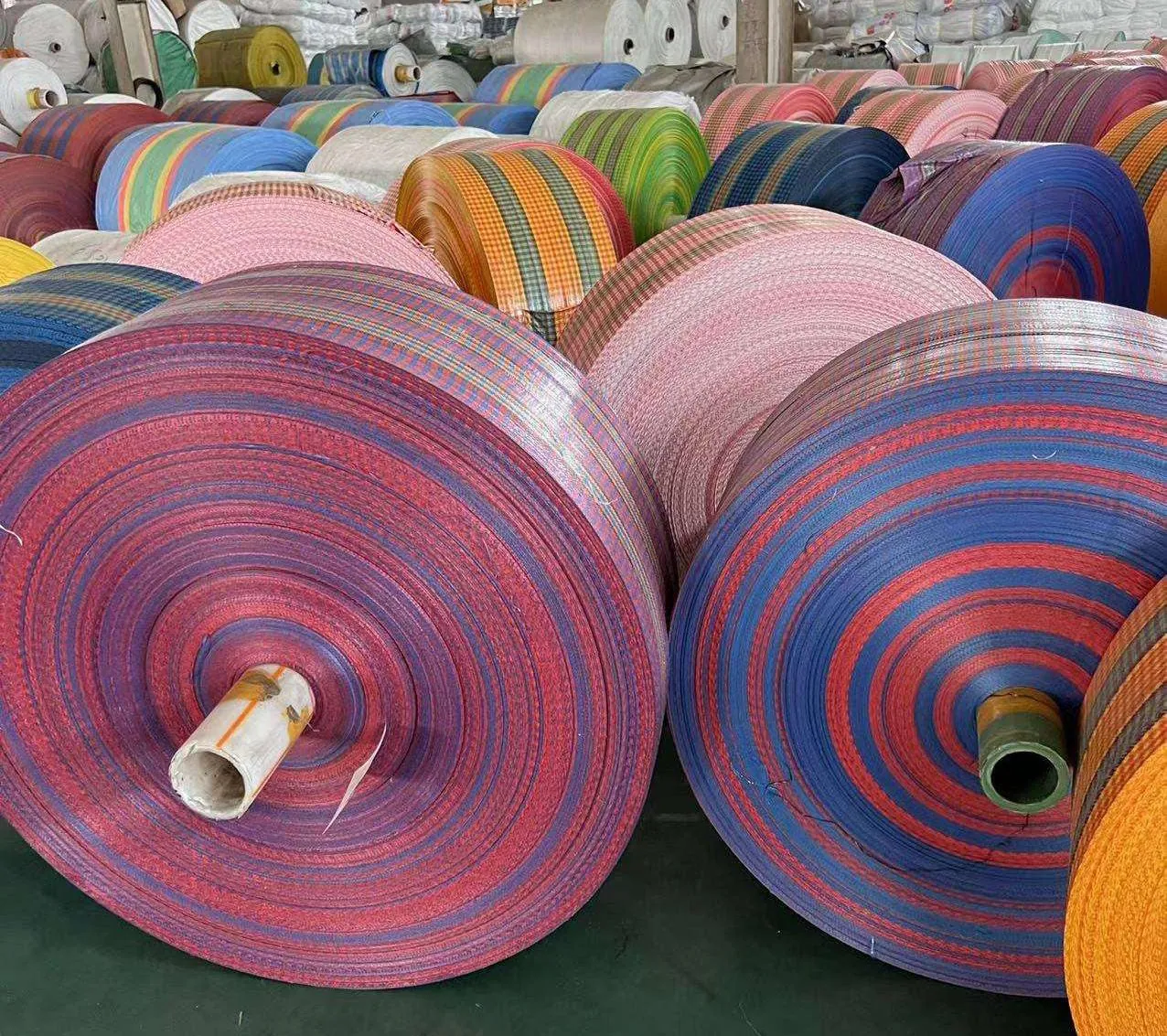
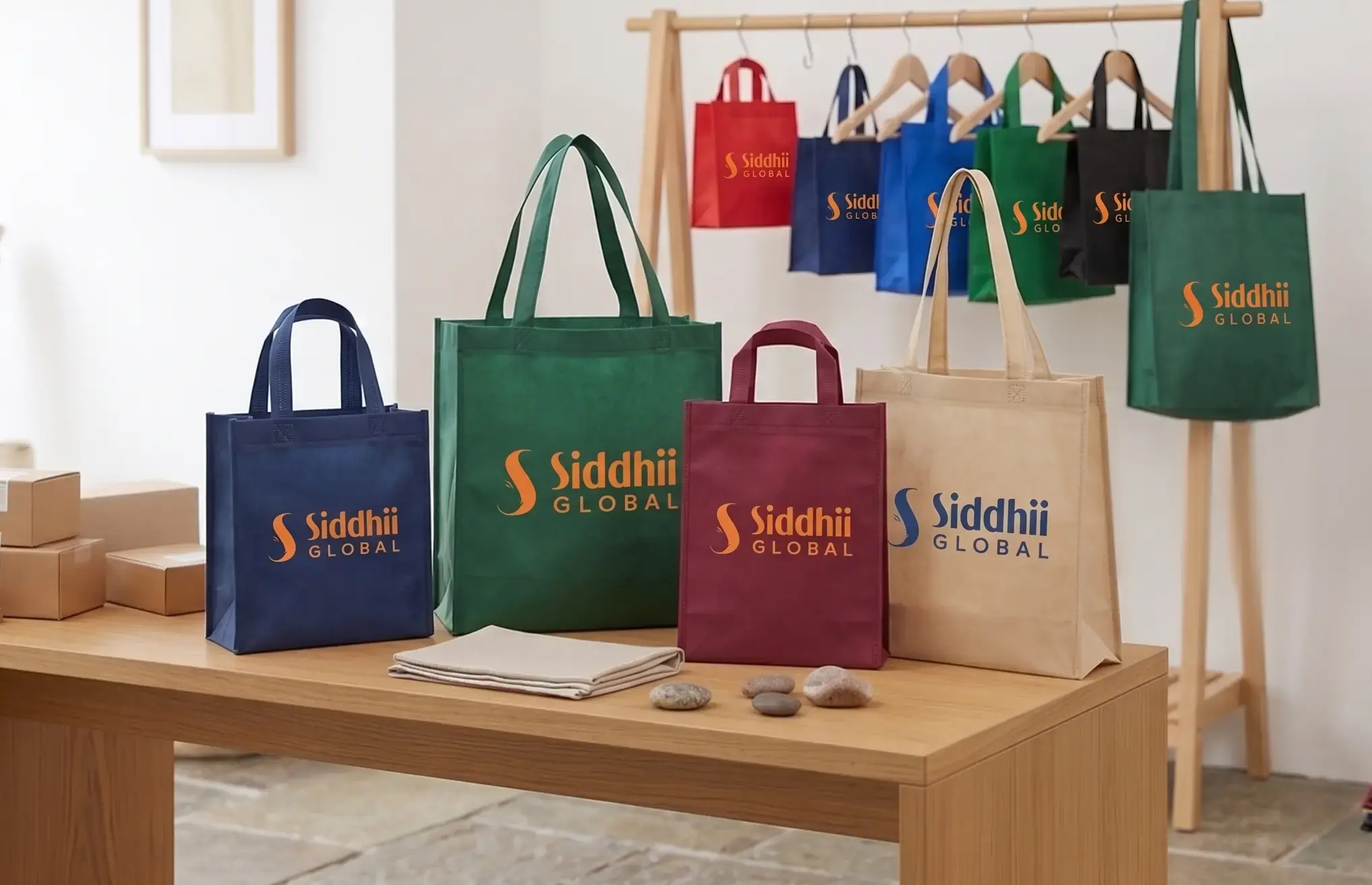
The retail workhorse is the bags-for-life construction: non woven polypropylene 80-120 GSM or laminated woven PP, loop or rigid handles, sized to the standard UK checkout footprint, printed one to four colours for grocers and full-colour for promotional use. Corporate and events buyers add rope-handle laminated bags and heavier box bags. Print is where UK accounts are demanding — Pantone-locked brand colours, sometimes inside and out — and we run artwork approvals with physical proofs so the shelf colour matches across reorder cycles. Stitching and handle attachment are the quality battleground: a bag that sheds handles in week two generates the kind of social-media publicity no retailer wants, so we over-spec handle stitch density and say so on the spec sheet.
The regulatory map: charge, EPR and PPT
Three regimes matter. First, the single-use carrier bag charge — 10 pence in England, with all UK nations operating charges — which pushed retail demand decisively toward reusable bags; a bag that survives dozens of uses is the product retailers want on the till. Second, packaging EPR: UK businesses above thresholds report packaging data and carry recycling obligations, so your EPR data needs to classify these bags correctly — we supply material declarations that make that reporting straightforward. Third, Plastic Packaging Tax: packaging with less than 30% recycled plastic attracts the tax at the importer level; where bags count as packaging within PPT's scope, recycled-content blends change the arithmetic materially, and where a bag is sold as a durable product rather than packaging the analysis differs — your tax adviser owns that line, and we support it with recycled-content documentation on the blends we offer.
Duty, VAT and classification
Carrier bags classify under HS 3923.21 or 3923.29 depending on material and construction, with UK Global Tariff duty in the low single digits for these lines and 20% VAT at import — postponed VAT accounting keeps the cash-flow sane for VAT-registered importers. The document pack is standard: invoice, packing list, certificate of origin, bill of lading and material declarations. FOB Mundra and CIF Felixstowe or London Gateway are the routine terms, DDP for landed-price programs.
Route, MOQ and lead times
Mundra to Felixstowe or London Gateway runs 20 to 26 days port to port; clearance adds 2 to 4 days, and London Gateway's rail link suits Midlands and northern distribution. Production runs 7 to 12 days for stock specs, 12 to 18 days for custom multi-colour print including proofs. MOQ is print-driven: plain stock by the pallet, printed designs from around 5,000-10,000 pieces per artwork, container programs mixed across sizes and handle styles. First orders land in five to six weeks door to door; repeats on locked artwork run four. If you are building the range, our carrier bag product page lists constructions and handles, our PP non woven bags page covers the lighter replenishment end, and the woven shopping bag import guide shows how the woven side ships into the UK.
Frequently Asked Questions
Does Plastic Packaging Tax apply to carrier bags?
It depends on whether the bag is packaging or a sold product in your use case — your tax adviser makes that call. Where PPT applies, our 30%+ recycled-content blends change the arithmetic, with documentation per batch.
What GSM for a true bags-for-life product?
80-120 GSM non woven or laminated woven construction with over-specified handle stitching. The bag has to survive a realistic reuse count — that is the product UK retailers are buying.
What is the MOQ for printed bags?
Printed designs from around 5,000-10,000 pieces per artwork; plain stock by the pallet. Retail programs typically mix two or three sizes across one container.
How long is the lead time to a UK warehouse?
Production 7 to 18 days by print, ocean 20 to 26 days to Felixstowe or London Gateway, clearance 2 to 4 days. Plan five to six weeks door to door on first orders.