Fabricators who work with HDPE sheets know the material is forgiving — welds easily, machines cleanly, survives chemicals that eat metal. What they often do not know is how much price variation exists for nominally identical sheets, and why. Recycled content, UV package, and sheet stress from poor extrusion explain most of the spread. Having supplied sheets to tank builders and ETP contractors across Gujarat for years, here is the buying guide we give our own customers.
HDPE Sheet Pricing in India (2026)
Sheets are quoted per kg, with per-sheet equivalents for the standard 4ft x 8ft panel. Indicative ex-works Gujarat rates:
- Virgin HDPE sheet: ₹120-165 per kg by thickness and volume
- Reprocessed-content sheet: ₹95-125 per kg
- UV-stabilised (black) sheet: ₹135-180 per kg
- 4ft x 8ft x 5mm virgin sheet: ₹3,200-4,600 per sheet
- 4ft x 8ft x 10mm virgin sheet: ₹6,500-9,200 per sheet
Rates exclude 18% GST and freight. Thickness above 20mm and custom widths are made-to-order with different economics. The recycled-vs-virgin price gap (15-25%) is where most disputes originate — which is why grade declaration in writing matters before order confirmation.
Thickness Selection by Application
- 1-3mm: fabrication of drawers, partitions, sign backing, light-duty lining
- 4-6mm: tank linings for moderate chemical exposure, cutting boards, machine guards
- 8-12mm: pickling tank lining, heavy-duty fabrication, marine components
- 15-20mm+: structural chemical-resistant applications, wear strips, heavy machined parts
For ETP/STP tank lining — the biggest Indian application — 5mm is the common floor, with 8mm+ for aggressive effluents and deeper tanks. Under-specifying lining thickness saves a few thousand rupees today and buys a leak investigation next monsoon.
Grades: Virgin, Reprocessed, UV — The Honest Differences
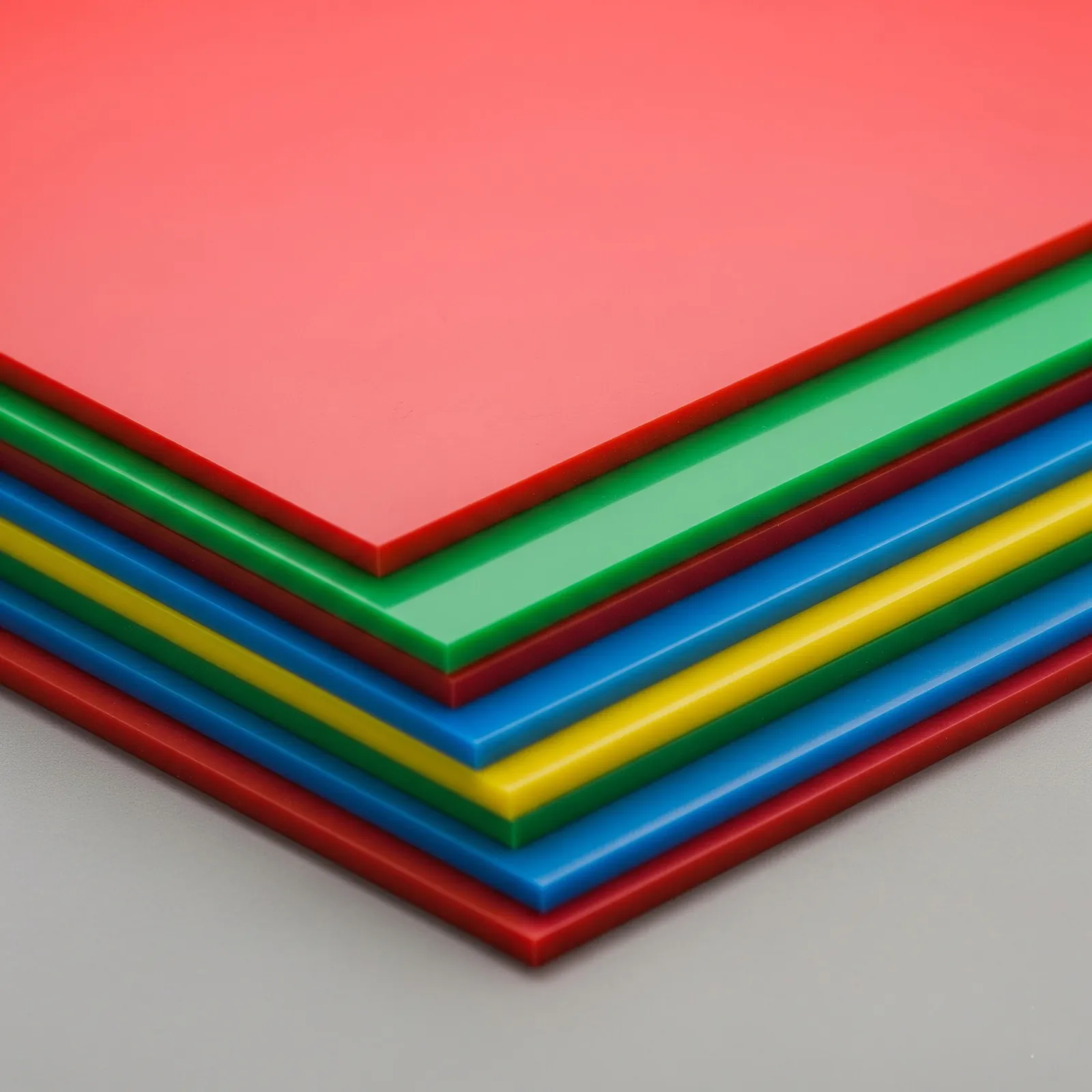
Virgin HDPE welds predictably, machines cleanly and holds certifications for potable and food-adjacent contact. Reprocessed sheet is legitimate for non-critical applications — pallets, external cladding, general fabrication — but welds erratically and can embrittle. UV-stabilised black is mandatory for anything living outdoors: unpigmented HDPE in Gujarat sun becomes brittle within a year. Colour is not just aesthetic — black is the standard UV carrier because carbon black is the most effective UV blocker available in the polymer world.
For fabricators deciding between polypropylene and HDPE for a job, our PP vs HDPE comparison guide covers chemical resistance and temperature limits in detail — the short version: PP wins above 80°C, HDPE wins below freezing and in most ambient chemical service.
Fabrication and Welding Notes That Save Rework
- Welding: extrusion and butt welding both work; surfaces must be clean and slightly bevelled for butt welds. Rod must match sheet grade — virgin rod on reprocessed sheet (or vice versa) creates weak joints
- Stress relief: cheap sheets with built-in extrusion stress warp after cutting. Buy from manufacturers with proper stress-relieving (annealing) process — ask the question directly
- Machining: sharp tools, moderate speeds, chip extraction; HDPE machines cleanly when it is genuinely virgin material
- Thermoforming: HDPE forms at moderate temperatures but has high shrink memory — design allowances needed
The warp-after-cutting complaint is the most common fabrication headache we hear, and it is always traceable to stressed or recycled-content sheet. Our HDPE sheet production runs stress-relieved output specifically because tank builders cannot afford post-fabrication movement.
HDPE vs Metal vs FRP — The Replacement Logic
ETP tank fabricators increasingly build entirely in HDPE rather than steel-with-lining: no corrosion ever, no lining failure mode, lower lifetime cost despite higher initial material cost. Where the honest trade-offs sit: HDPE loses to steel on structural load-bearing (needs external framing for large tanks) and to FRP on rigidity at elevated temperatures. For chemical storage below 60-70°C in ambient service, all-plastic HDPE tanks are now mainstream Indian practice, not experimental.
Frequently Asked Questions
What is the price of HDPE sheet per kg in India?
Indicative 2026: ₹120-165 per kg for virgin grades, ₹95-125 for reprocessed content, ₹135-180 for UV-stabilised. Standard 4x8ft 5mm virgin sheet runs ₹3,200-4,600. Rates ex-works, excluding GST and freight.
What thickness HDPE sheet for ETP tank lining?
5mm minimum for typical effluent service, 8mm+ for aggressive chemistry, deep tanks or where welding access is difficult. Lining thickness is the cheapest insurance in tank construction.
Can HDPE sheet be welded?
Yes — extrusion and butt welding both work well on genuine virgin material with matched welding rod. Welding rod grade must match sheet grade; mixing virgin and reprocessed materials weakens joints.
Does HDPE sheet need UV protection for outdoor use?
Yes, absolutely — specify UV-stabilised (usually black) grade for any outdoor application. Unprotected natural HDPE embrittles within a year of Indian sun exposure.