Every procurement manager I speak to starts the same way: "What is your PP woven bag rate per kg?" And every time I have to answer with another question, because the honest answer is that PP woven bag pricing in India moves with polymer rates, GSM, lamination and printing. A buyer who understands these levers saves 8-15% on annual packaging spend. A buyer who only chases the lowest quote usually ends up paying more in transit damage and reorders. Let me break down how pricing actually works on the factory floor.
Current PP Woven Bag Price Range in India (2026)
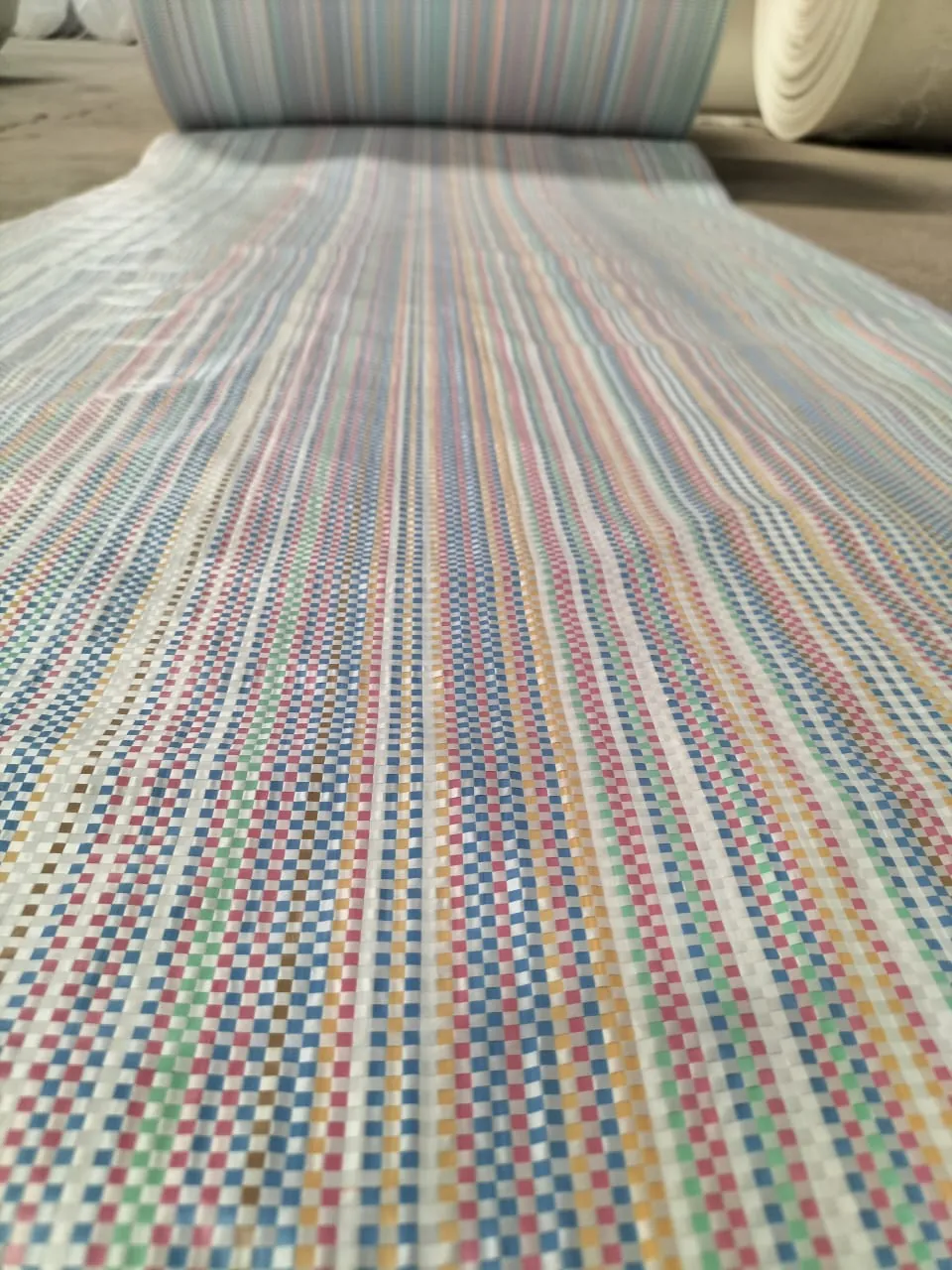
As of early 2026, plain (non-laminated) PP woven fabric trades roughly between ₹90 to ₹115 per kg depending on virgin vs reprocessed content and order volume. A standard 50 kg capacity bag at 90-100 GSM uses about 180-200 grams of fabric, which puts the bare bag cost in the ₹18-24 per piece range. Add lamination and you move up by ₹2-4 per piece. Add multi-colour printing and the range widens further based on number of colours and artwork coverage.
- Plain woven bag (50 kg, ~90 GSM): ₹18-24 per piece
- Laminated bag with 1-2 colour print: ₹24-32 per piece
- BOPP laminated photo-quality bag: ₹32-48 per piece
- Per-kg contract rates (10+ tonne orders): ₹90-115 per kg
- PP woven fabric rolls (unconverted): ₹88-110 per kg by GSM
These are indicative ex-works rates before 18% GST and exclude freight. Polymer prices track crude oil, so quotes older than 2-3 weeks are already stale. Ask any supplier to specify the validity period of their rate in writing — a serious manufacturer will happily do this.
How GSM Changes What You Pay
GSM (grams per square metre) is the single biggest driver of cost, because fabric is ultimately sold by weight. The trap buyers fall into is assuming higher GSM is always better. It is not. Over-specifying GSM means you are literally paying for plastic the product does not need. Under-specifying means burst bags and claims.
Quick GSM selection chart
- 40-60 GSM: flour, spices, light seeds, 5-10 kg packs
- 60-80 GSM: rice, pulses, sugar, 10-25 kg packs
- 80-110 GSM: cement, fertiliser, animal feed, 25-50 kg packs
- 110-160 GSM: heavy construction material, sharp-edged goods, repeated handling
A good manufacturer will reverse-calculate the GSM for your specific filling weight and drop-test the sample before you commit. Insist on this. We do it routinely at our PP woven bags and rolls line because a 5 GSM over-spec on a million-bag contract is real money wasted.
Hidden Costs Buyers Forget to Ask About
The per-kg rate is only half the story. When you compare quotes across suppliers, normalise for these items first, otherwise you are comparing apples to oranges.
- Printing plates / cylinders: one-time tooling for printed bags can range ₹1,500 to ₹4,000 per colour. Some suppliers amortise it into the rate, others bill it upfront.
- Moisture and lamination: laminated fabric uses more polymer per square metre; a "similar" laminated quote at the same per-kg rate is actually more fabric cost.
- Packing and loading: bale press packing vs loose bundles changes how many bags fit in a container or truck, which changes your landed cost per bag.
- Rejection replacement terms: check whether the supplier replaces manufacturing defects free of cost and within what time window.
Virgin vs Reprocessed Material — The Honest Truth
There is a reason two quotes for the "same" bag can differ by 15%. Reprocessed (recycled) PP costs less and performs adequately for many non-critical uses like cement or sand packing. But for food-adjacent products, export shipments or anything where bag failure means product loss, 100% virgin polypropylene is worth the premium. A hybrid trick many Indian buyers use: virgin fabric body with reprocessed stitching thread or base patch — saves cost where failure risk is lowest. Ask your supplier what grade they are quoting; if they dodge the question, walk away. We wrote a full comparison in our guide to choosing PP woven bag specifications for cement, flour and fertiliser use.
Bulk Buying: Where the Real Discounts Are
Rate negotiability in this industry is volume-driven, but not linearly. Below one tonne, you get trader-level pricing with almost no room. The meaningful breaks typically come at 5, 10 and 25 tonne levels, mostly because polymer procurement and machine changeover costs get amortised. If your volume is smaller, joining a buyers' group or booking along with another buyer's production run for a non-printed bag can get you close to bulk rates.
Timing matters too. Polymer prices in India typically soften in the October-February window when crude is stable and demand from agriculture peaks earlier in the year. We track this closely for our own procurement and pass the benefit into quotes during these windows wherever possible.
Why Buy Directly From a Gujarat Manufacturer
Kalol-Ahmedabad is one of India's densest clusters for woven packaging, which means competitive rates, faster tooling and shorter lead times. Buying direct from a manufacturer who weaves its own fabric (rather than a trader who outsources) removes at least one margin layer and gives you control over GSM consistency. Our plant at Kalol runs ISO 9001:2015 certified processes, and we supply both domestic buyers and export houses, so the same fabric that passes export inspection goes into domestic orders.
For buyers comparing suppliers, our ultimate guide to PP woven sacks covers the technical side in more depth, including seam types and top/bottom finishing options.
Frequently Asked Questions
What is the current PP woven bag price per kg in India?
Indicative 2026 rates are ₹90-115 per kg for plain virgin fabric and ₹18-24 per piece for a standard 50 kg bag at 90-100 GSM. Lamination and printing add ₹2-10 per piece depending on specification. Rates move with polymer prices, so always confirm validity.
How many PP woven bags come in one tonne of fabric?
A 50 kg bag at 90 GSM uses roughly 190 grams of fabric, so one tonne yields about 5,200 bags. Your actual number depends on bag size, GSM and waste allowance of 2-4%.
Is GST included in quoted PP bag prices?
Almost never. Standard practice in India is ex-works pricing plus 18% GST plus freight. Always confirm whether the quote is ex-works, FOR or delivered, because freight on bulky bags changes landed cost significantly.
What is the minimum order quantity for printed PP woven bags?
Most manufacturers, including us, keep MOQ for printed bags around 3,000-5,000 pieces per design to justify tooling. Plain bags can be supplied in smaller lots from running stock fabric.