Every bulk exporter eventually faces the packing question: small sacks or jumbo bags? The answer is arithmetic, not preference - sack packing and FIBC packing carry different costs in packaging, labour, equipment, transport and destination handling. This guide gives the comparison structure so the decision follows your numbers instead of habit.
Where Each Construction Wins
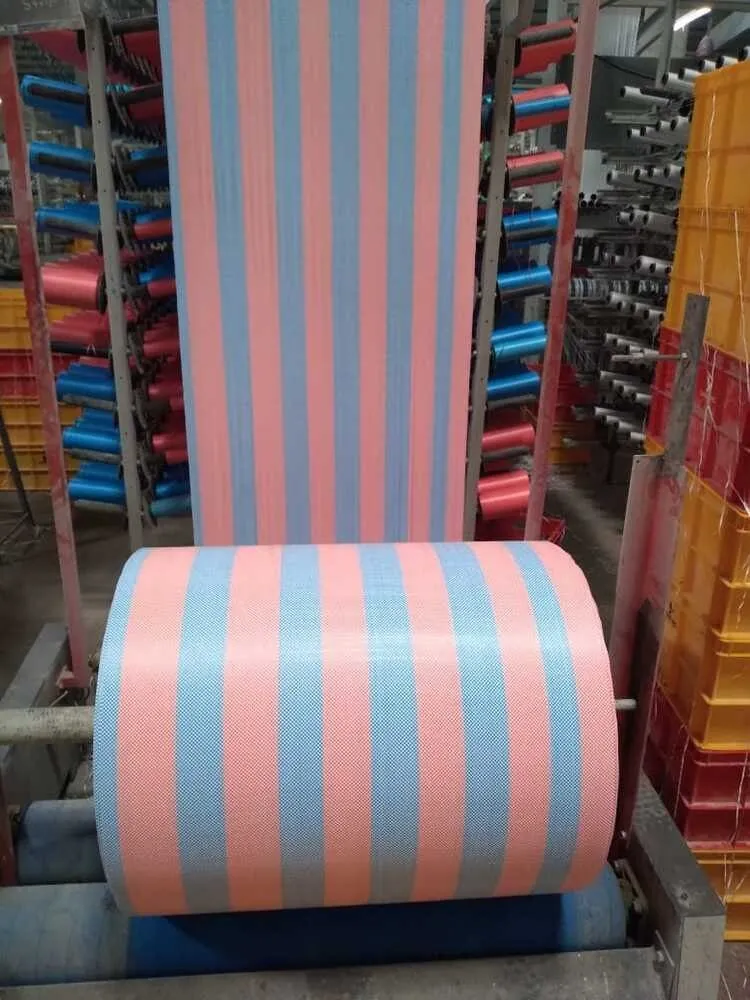
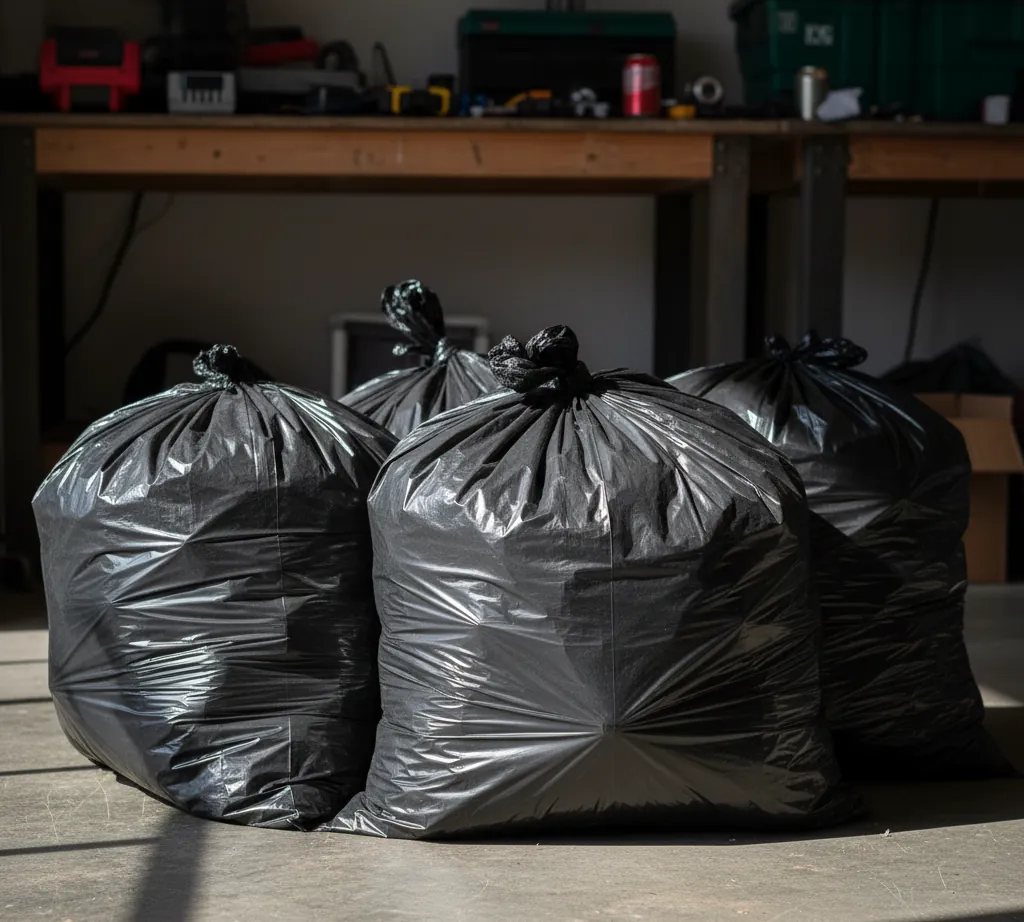
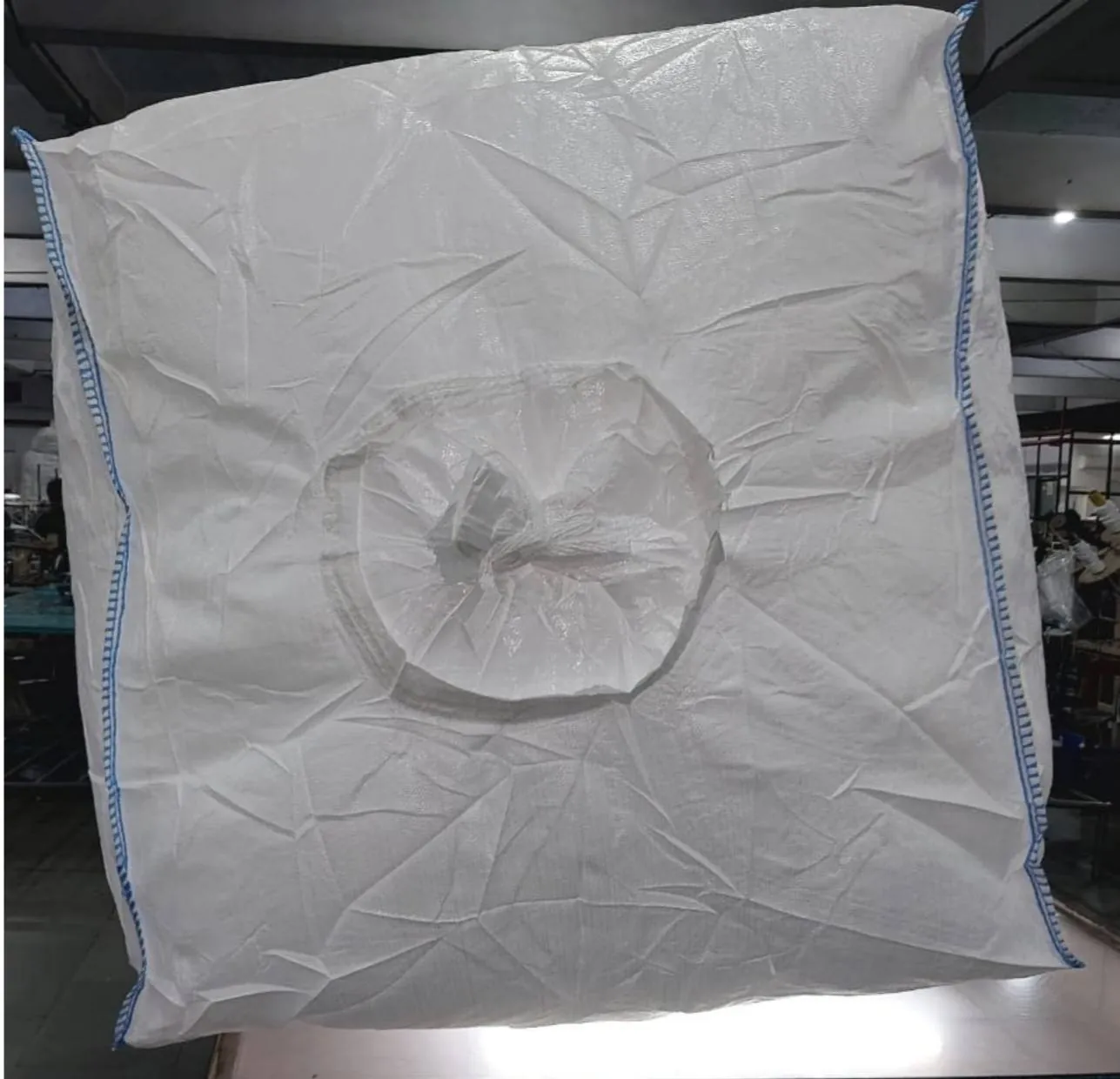
FIBC - the one-tonne jumbo bags on our FIBC page - win where bulk flows fast: mechanised loading and unloading, few units to handle, low packaging cost per tonne, and destination plants with big-bag dischargers. Woven sacks in the 25-50 kg range win where destinations lack FIBC infrastructure, where the trade distributes in small lots - retail chains, regional dealers, farm-level distribution - and where manual handling is the rule rather than the exception.
The Cost Dimensions to Compare
- Packaging cost per tonne: FIBC usually wins on material cost per tonne handled.
- Handling cost: sacks need more labour or automation at both ends; FIBC needs forklifts and discharge equipment - missing infrastructure flips the comparison.
- Transport efficiency: both pack containers well; loading math for sack-based containers is in the loading guide, and FIBC container practice follows its own patterns.
- Distribution reality: if the destination re-packs bulk into small bags anyway, shipping sacks skips that step - the re-packing cost belongs in the comparison.
- Loss and contamination: sealed small sacks control distribution losses; FIBC needs liners for moisture duty per the FIBC liners range.
Hybrid Strategies
Real supply chains often run both: FIBC for the sea leg and bulk plant supply, sacks for the distribution tail - or sacks to a destination packer who converts bulk to branded retail packs. The packing choice can differ per route segment when the economics say so, and packaging contracts can carry both specs in one supplier relationship.
Decision Examples
- Fertiliser to a market with big-bag infrastructure and farm-level resale: sacks for the distribution tail, FIBC for the plant.
- Rice to retail-driven destinations: sacks end-to-end, branded per the rice export guide.
- Industrial mineral to a processing plant: FIBC end-to-end with liner.
- Construction materials to dealer networks: 25-50 kg sacks - dealer handling decides.
Frequently Asked Questions
Is FIBC always cheaper per tonne?
On packaging material, usually; on total landed cost including destination handling, not always - missing discharge infrastructure adds real cost.
Can sacks and FIBC share one supplier efficiently?
Yes - integrated producers make both, and one QC standard covers both; audit scope per the audit guide covers both lines.
How do I model this for my cargo?
List per-dimension costs for both options - packaging, labour, equipment, transport, destination handling, losses - and let the numbers decide; a good supplier will run this with you.
Siddhii Global manufactures both woven sacks and FIBC at Kalol, Ahmedabad and runs this comparison with customers before they commit. Share your flow and destination for a numbers-based recommendation.