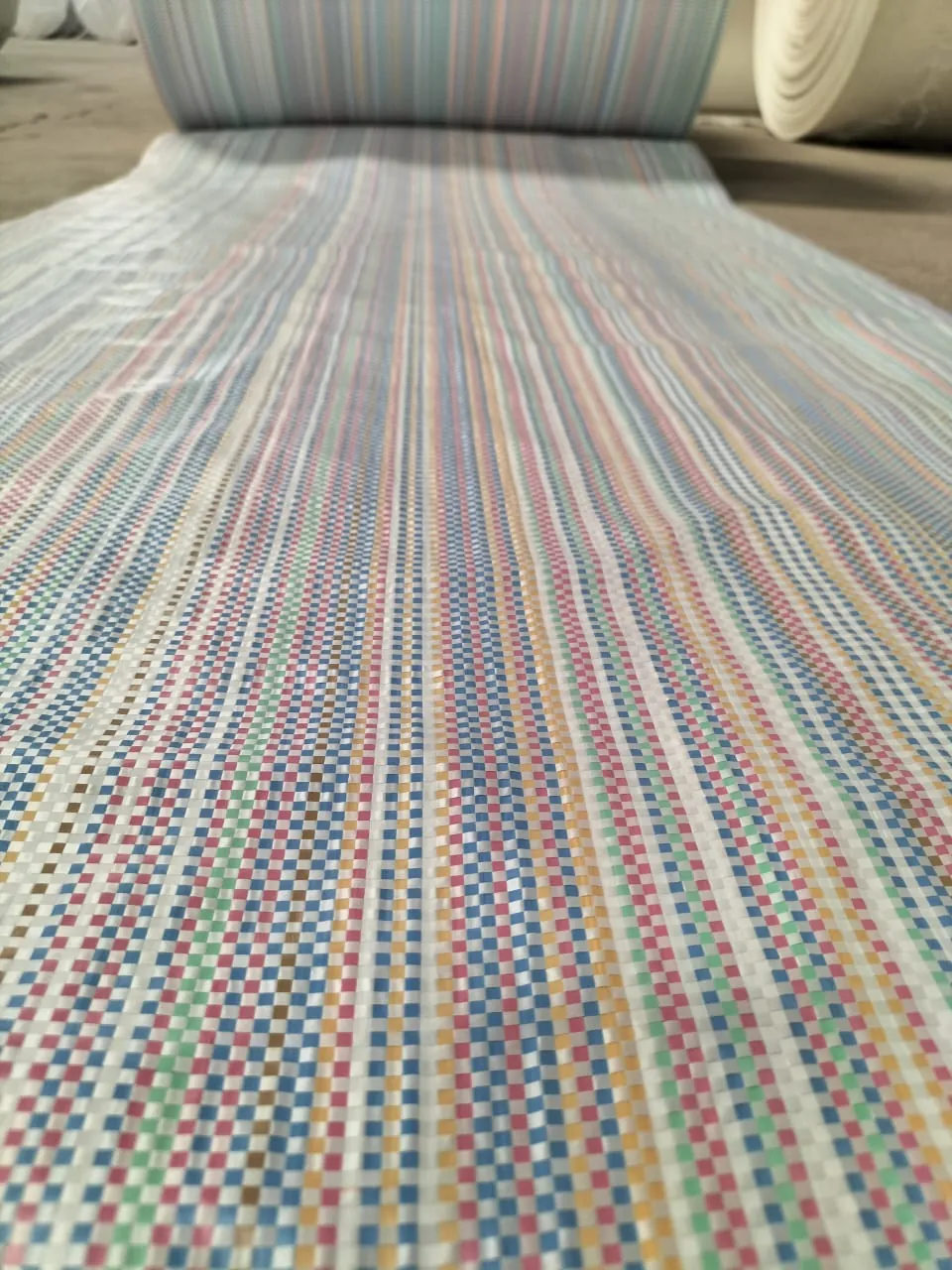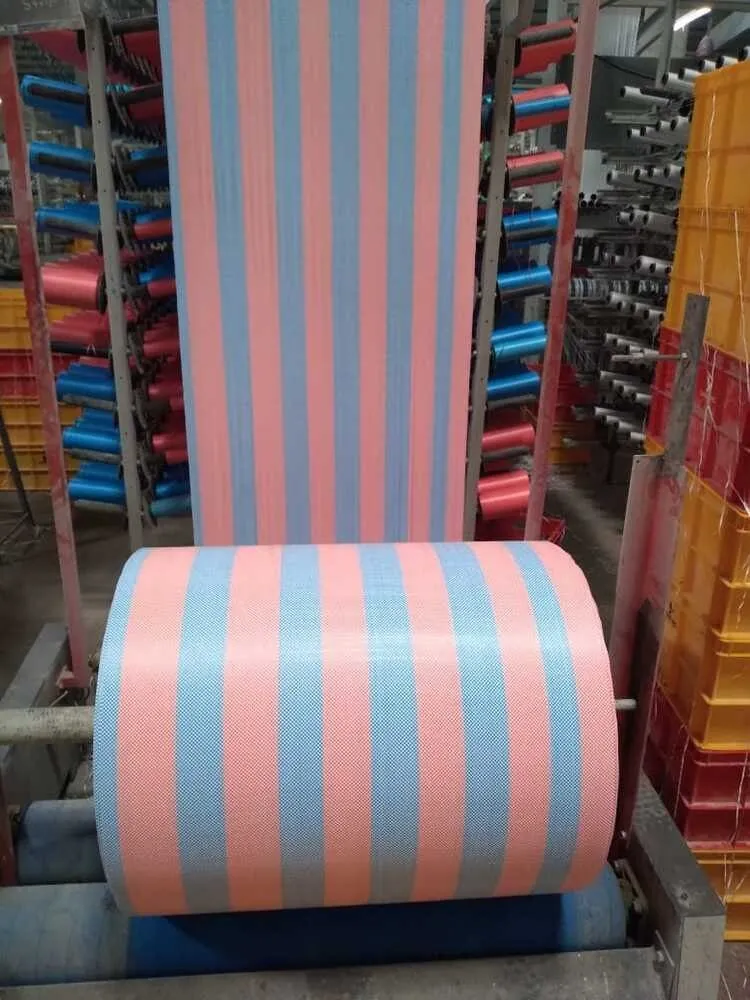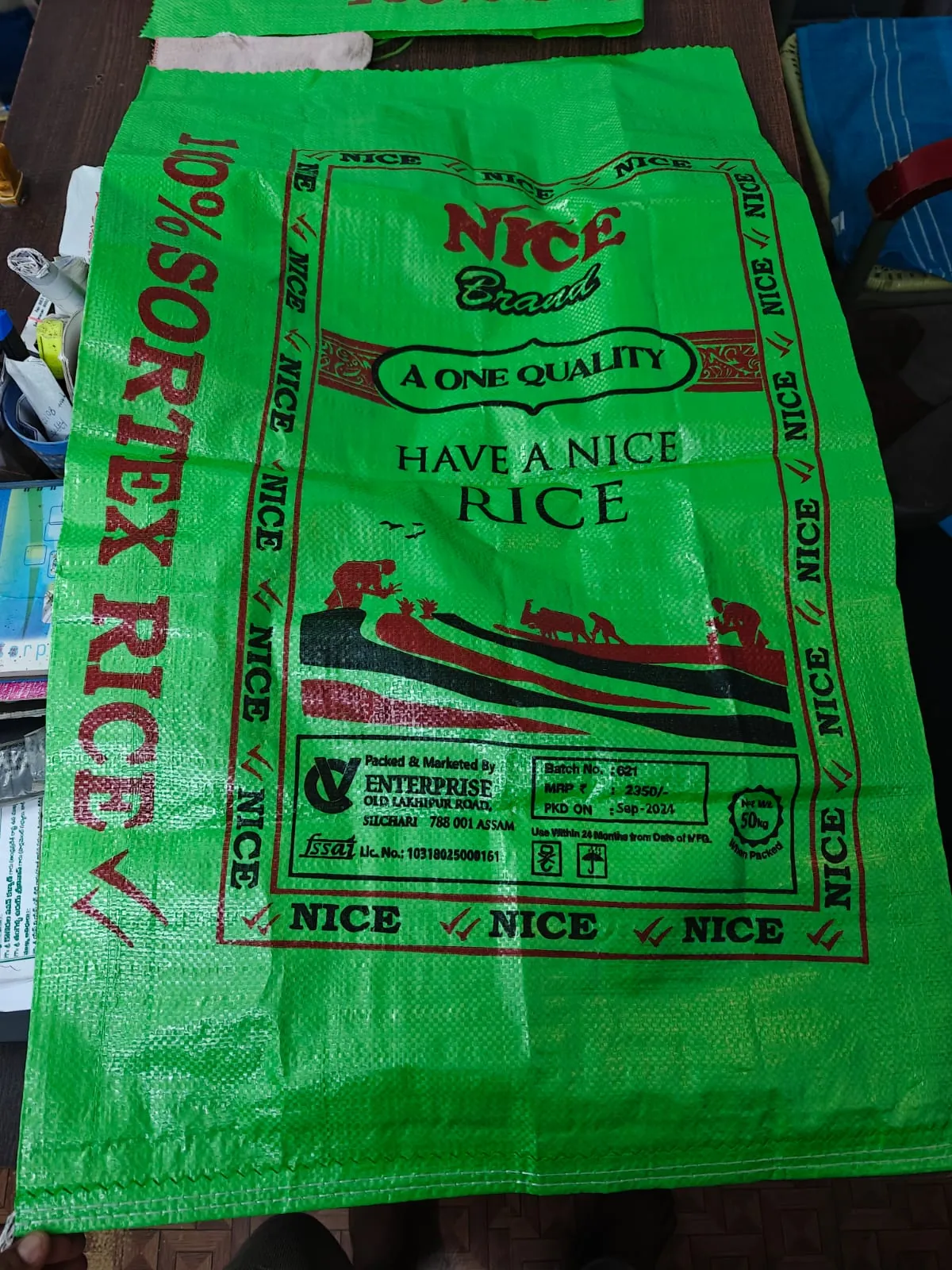
Late packaging delays product launches, filling schedules and retail windows - yet lead time is the number buyers plan least carefully. Custom woven and BOPP bags pass through several sequential stages, and each has a real duration. Understanding the chain tells you where time actually goes, and where your own decisions speed or slow the order.
Stage One: Specification and Artwork
Everything starts with a frozen specification - construction, size, GSM, seam, print route - and artwork. Artwork rounds are where most time evaporates: revisions, colour debates, missing files. The prepress discipline in the artwork guide exists precisely to compress this stage; a buyer who supplies print-ready files with brand references can cut days off the front of the order.
Stage Two: Plates, Cylinders and Proofs
Flexo plates are quick; gravure cylinders take longer to engrave. Colour-critical orders add a proofing loop - physical proof, approval, then production. Cylinder making for new designs is the classic long pole in BOPP orders, and it is why repeat orders run faster than first orders - the cost-and-time logic together is in the cost breakdown.
Stage Three: Weaving, Printing, Conversion
With approved artwork and plates in hand, production runs at line speed: weaving the fabric lot, printing, lamination where specified, cutting, stitching and QC. Plain orders ride shorter queues than printed ones. Batch quality checks happen here - the documentation buyers should receive is listed in the pre-shipment checklist.
Stage Four: Booking and Loading
The sea leg planning - container booking, transport to port, stuffing, documents - runs in parallel with the tail of production. Container quantity math for booking size is in the loading guide, and trade-term responsibilities for who books what are in the FOB vs CIF guide.
Where Buyers Save Time
- Freeze spec before quoting rounds - spec drift restarts stages.
- Supply print-ready artwork and approve proofs fast; approval latency is buyer-owned time.
- Plan first orders around cylinder lead time; repeat orders benefit from stored tooling.
- Align booking with production finish rather than booking too early - storage and demurrage are real costs.
Frequently Asked Questions
How long is a typical first printed order versus a repeat?
First orders carry artwork, proofing and tooling stages; repeats skip most of it. Ask your supplier for both timelines on your spec - the difference is usually substantial.
Can production and cylinder making overlap?
Partially - fabric weaving proceeds while cylinders engrave; realistic plans overlap stages rather than serialising everything.
What delays orders most often?
Artwork revisions, proof approvals and payment-document cycles - all buyer-side controllables, not machine capacity.
Siddhii Global shares a stage-by-stage plan with every custom order from Kalol, Ahmedabad. Send your launch date and we will build the timeline backwards from it.