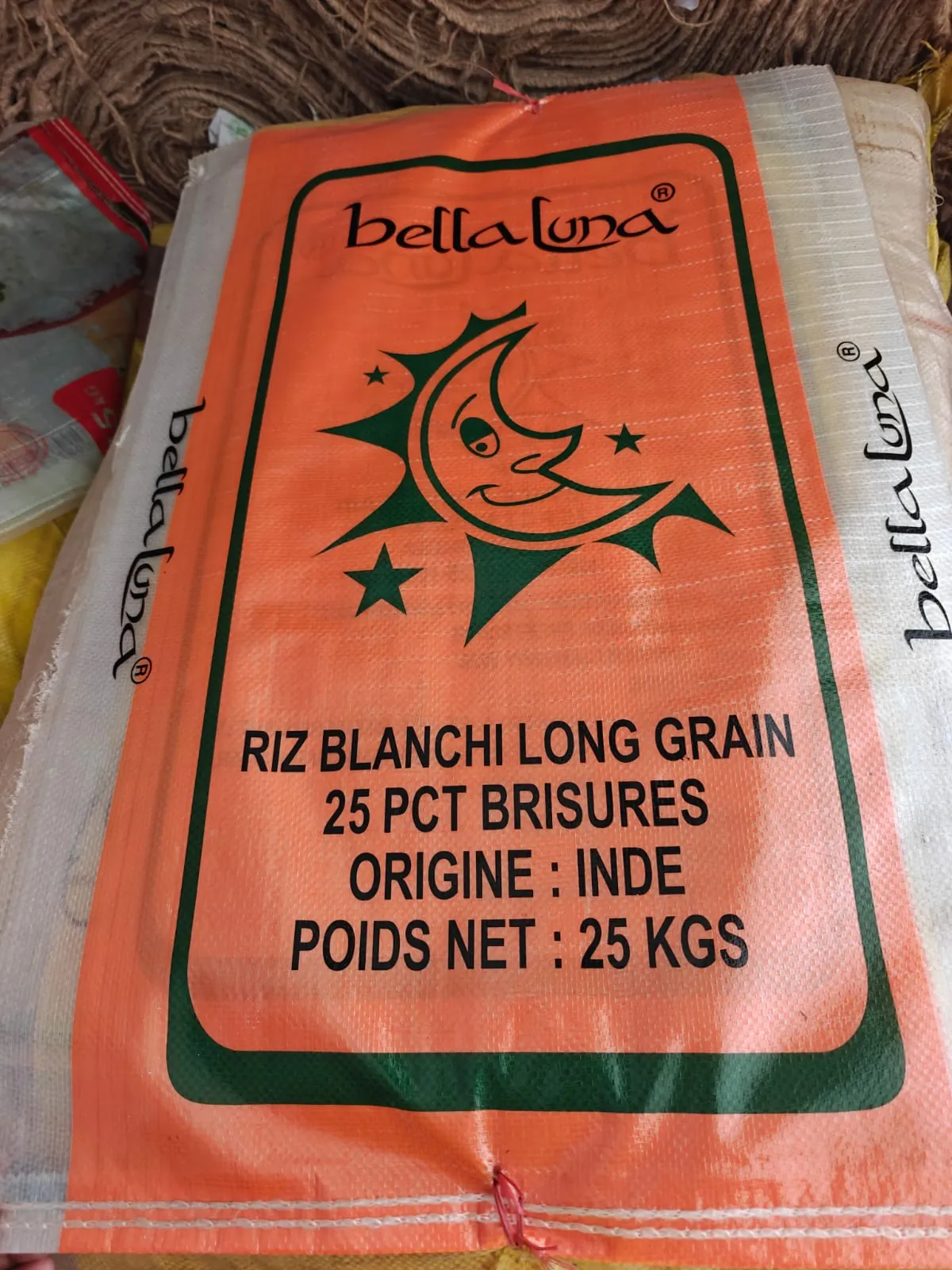
South African buyers ask sharper duty questions than almost any market we ship to, and rightly so — textile goods carry meaningful tariffs here, and the difference between a guessed HS code and a confirmed one can swing landed cost by double-digit percentages. This guide walks the full import path for PP woven bags and rolls from India: classification, duty planning, the ports, the paperwork and the calendar, so your first container arrives without surprises at Durban customs.
Classification and duty planning
Woven polypropylene sacks and bags classify under HS 6305.33, with laminated and printed retail-style bags occasionally argued by brokers into plastics headings — a debate worth settling before you order, not at the border. South Africa's duties on textile goods run higher than most markets, often in double digits, so have your clearing agent pull the exact SARS tariff line and confirm the ad valorem rate for your specific bag construction. Also ask early whether any import permit applies; most plain woven sack lines move without one, but ITAC (the International Trade Administration Commission) administers permit requirements on certain textile categories and a quick pre-check costs nothing. Budget import VAT on the duty-inclusive value — it is recoverable for VAT-registered importers but hits cashflow if unplanned.
Ports, documents and inland delivery
Most Indian woven sack volume lands at Durban, with Cape Town serving the western Cape and Port Elizabeth the eastern cape trade. Ocean transit from Mundra runs roughly 20 to 28 days to Durban on typical services. The document set is standard: commercial invoice, packing list, bill of lading, certificate of origin, and the SAD 500 customs declaration your agent files. What trips first-time importers is usually inland legs — a Durban-to-Gauteng haul adds days and real cost, so decide whether CIF Durban with your own haulage or a door-delivery quote to Johannesburg suits your operation. We ship FOB Mundra, CIF Durban or Cape Town, and can quote door delivery where the buyer prefers one landed number.
Standards and quality expectations
South Africa has no single mandatory certificate for industrial woven sacks, but quality expectations are real: GSM accuracy, tensile strength and UV stability for outdoor storage in the Highveld sun. SABS-accredited labs can run the tests your customers ask about, and we support pre-shipment inspection either by your appointed agency or by photograph-and-report on every lot. For food-adjacent uses like maize meal and sugar, buyers commonly require food-contact-grade polypropylene — we supply the relevant material declarations with those orders.
Frequently Asked Questions
What duty rate will my woven sacks attract?
Textile sack lines in South Africa often carry double-digit duty — your clearing agent must confirm the exact SARS rate for the confirmed HS line before you set landed pricing. We provide accurate HS and origin documents to support it.
Do I need an ITAC import permit?
Most woven polypropylene sack lines import without a permit, but ITAC administers permits on certain textile categories; a pre-check with your agent or ITAC before ordering removes the risk.
How long is the full lead time to Johannesburg?
Production plus ocean runs 5 to 7 weeks to Durban, and the Durban to Gauteng road leg adds roughly 2 to 4 days depending on customs and carrier scheduling. Budget 8 weeks for a first order with sampling.
Which Incoterm works best for SA importers?
CIF Durban suits importers using their own clearing agent and haulage; door delivery to Johannesburg suits those who want one landed price. FOB Mundra works when you have a preferred freight partner.
Construction and spec details are on the PP Woven Bags and Rolls page. For how cheap fabric destroys cargo read the high-tensile importer guide, and for bulk shipping logic see why woven sacks anchor bulk packaging.